Wild Or Sanctuary Animals On A Wildlife Tour: Which Is Better?
Wild habitat days, wildlife park days, or a mix: what Sydney wildlife tours actually offer, which animals you meet where, and how to choose.
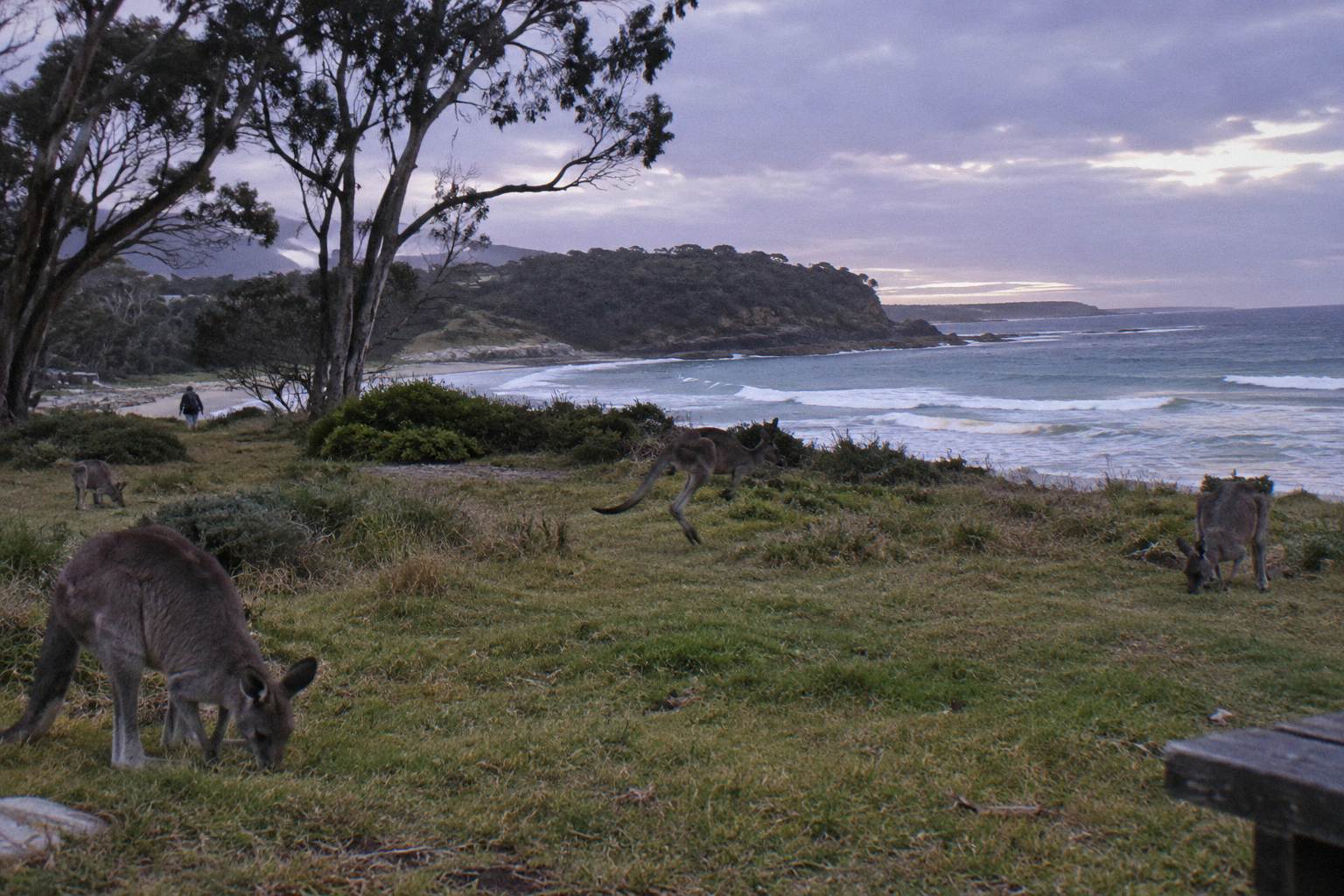
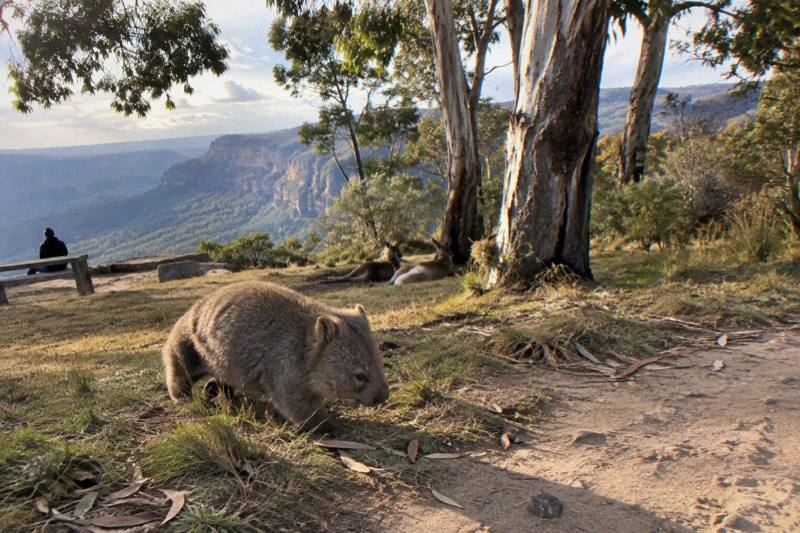
Wildlife tours out of Sydney split into two families before you even look at a date. One family drives you into national park country, where wombats dig where they want and kangaroos graze where the grass is. The other takes you to a wildlife park, where a koala is waiting at a set time and a ranger hands you the food the kangaroos are used to. A third group mixes the two in a single day. The choice shapes what you photograph, how long you travel, and whether the animals you meet are free to be somewhere else.
Neither is better outright: a wild-habitat day trades certainty for authenticity, giving you animals behaving naturally on their own terms with no guarantee you will see them, while a sanctuary day trades authenticity for a close-up. The right pick depends on whether you value the encounter, wild and earned, or the sighting, close and certain, more. On a wild day, animals can be distant, hidden, or simply elsewhere, and no operator will promise otherwise. On a park day, the koala is there, the kangaroo food works, and the photo happens. Families with small children, tight schedules, or a must-have koala photo tend toward parks; travellers who want landscape, walking, and the possibility of something unexpected tend toward habitat days.
The framing matters more than most buyers realise. A wild kangaroo that lets your small group watch from a ridge is doing you a favour. A park kangaroo that takes food from your hand is doing a job it does every day. Both are real Australian animals and both make good photos, but they are different experiences, and a booking page usually tells you which one you are buying if you read the itinerary stops carefully.
To make the comparison concrete, here are three days that sit at different points on the wild-to-park line: one wild-habitat wombats and kangaroos day, one Blue Mountains sunset day built around wild country, and one koala and kangaroo encounter day at a wildlife park.
The main Sydney options are classified below, along with the koala rules that catch many visitors out, the feeding question, and a straight recommendation framework. For the deeper comparison across the whole market first, the wildlife day trips from Sydney compared guide lines up the categories side by side.
What Does "Wild" Actually Mean On A Booking Page?
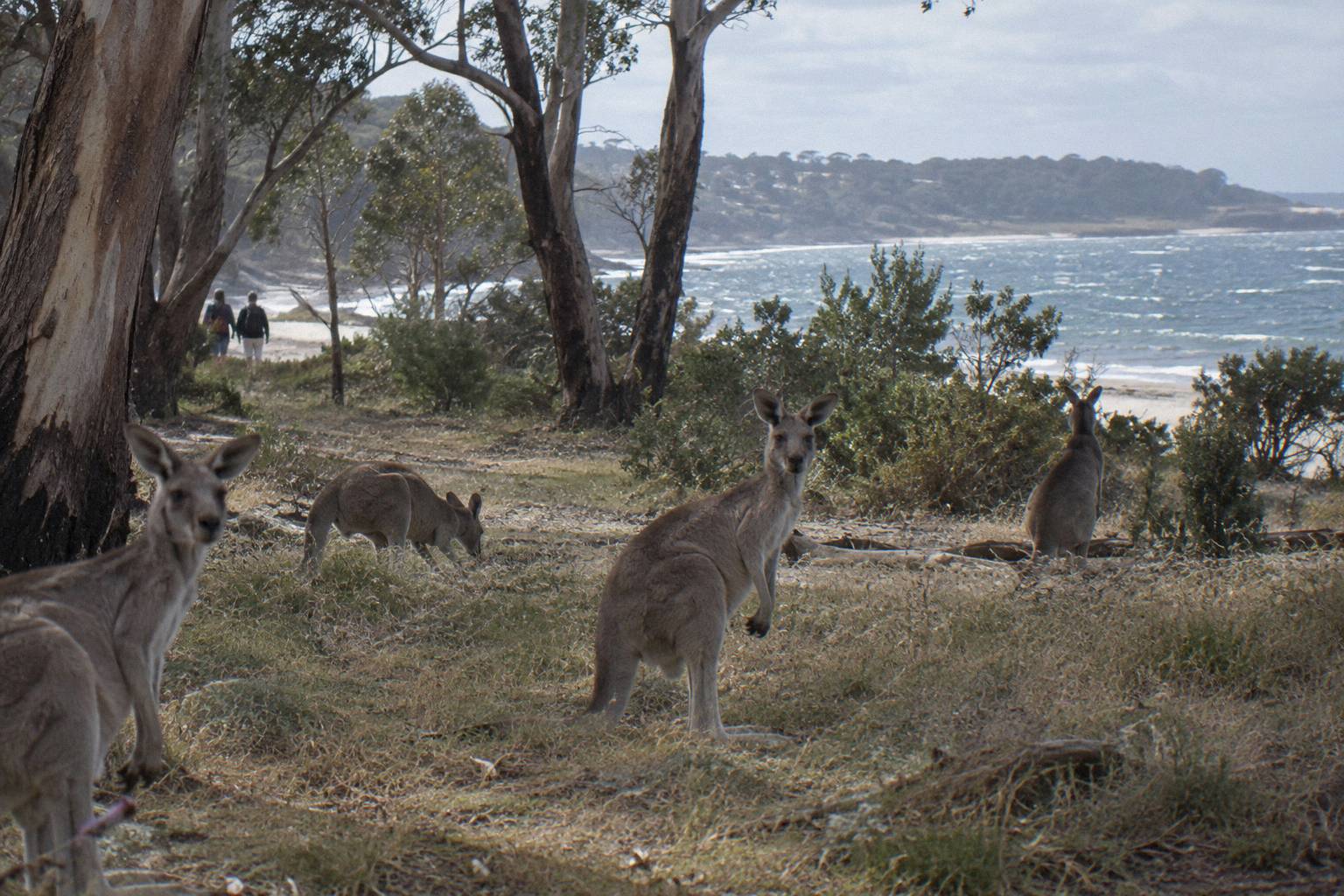
"Wild" on a booking page means the itinerary visits habitat where animals live on their own terms, not a fenced enclosure, and it carries no promise that any particular animal will appear; the tell is the stops list, where national parks and lookouts mean habitat and a named wildlife park means captive animals. A day built around Budderoo National Park, Kangaroo Valley, Booderee National Park, or Blue Mountains National Park is a habitat day. A day whose longest stop is Featherdale, Symbio Wildlife Park, or the Australian Reptile Park is a park day with scenery attached.
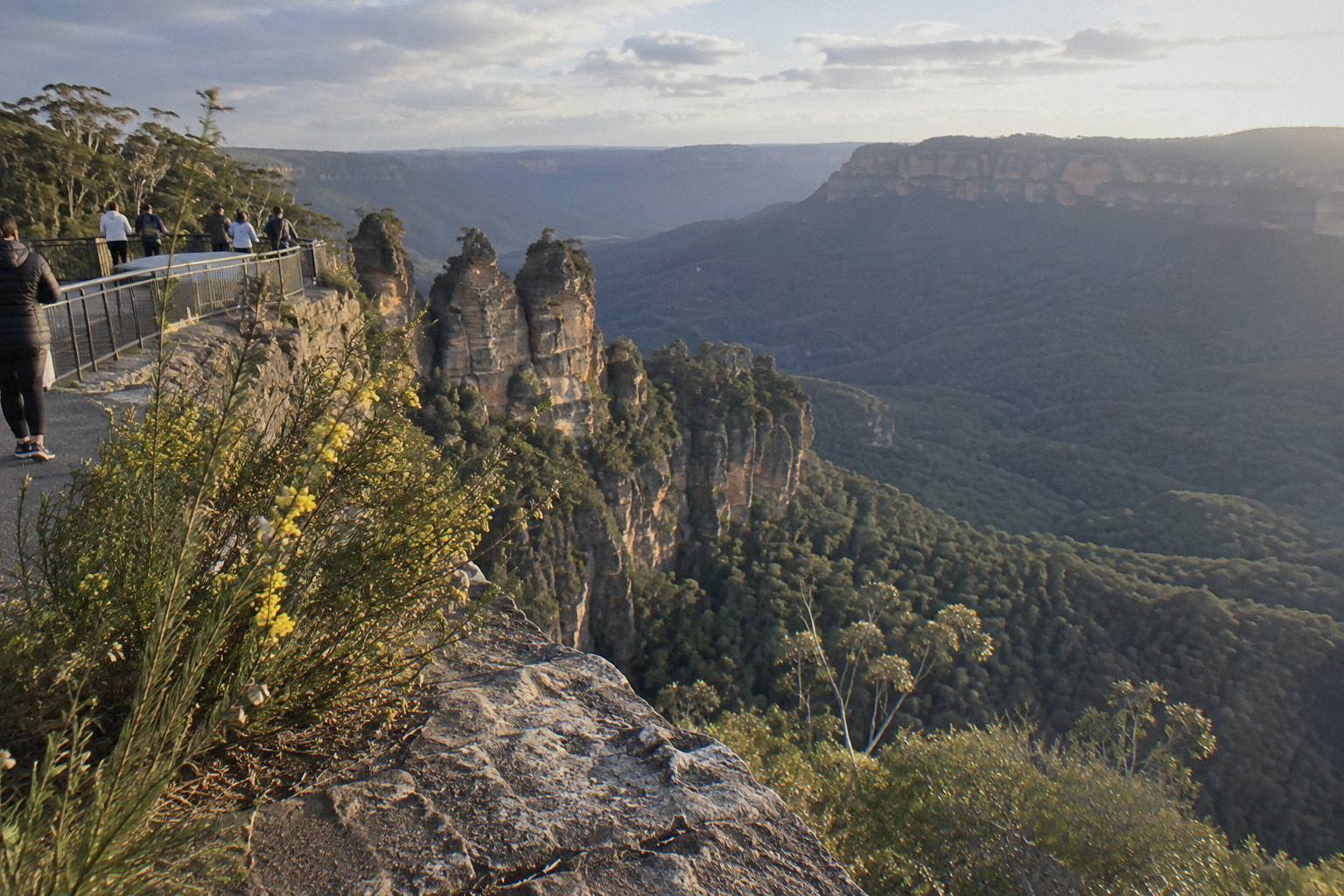
The distinction is not subtle once you look. The Wild Wombats And Kangaroo Experience spends its day in Macquarie Pass, Budderoo, and Morton national parks, and the operator describes it as all-inclusive with wild wombats and kangaroos, waterfalls, viewpoints and stargazing. That is a habitat claim: the operator is telling you where the animals live, not that they will be standing at the gate. The Blue Mountains Wild Kangaroos And Sunset Day Tour, run by FeelGood! Nature Tours, is built the same way, with Govetts Leap and Wentworth Falls in the itinerary and a group of up to 10 moving through bushland on foot.
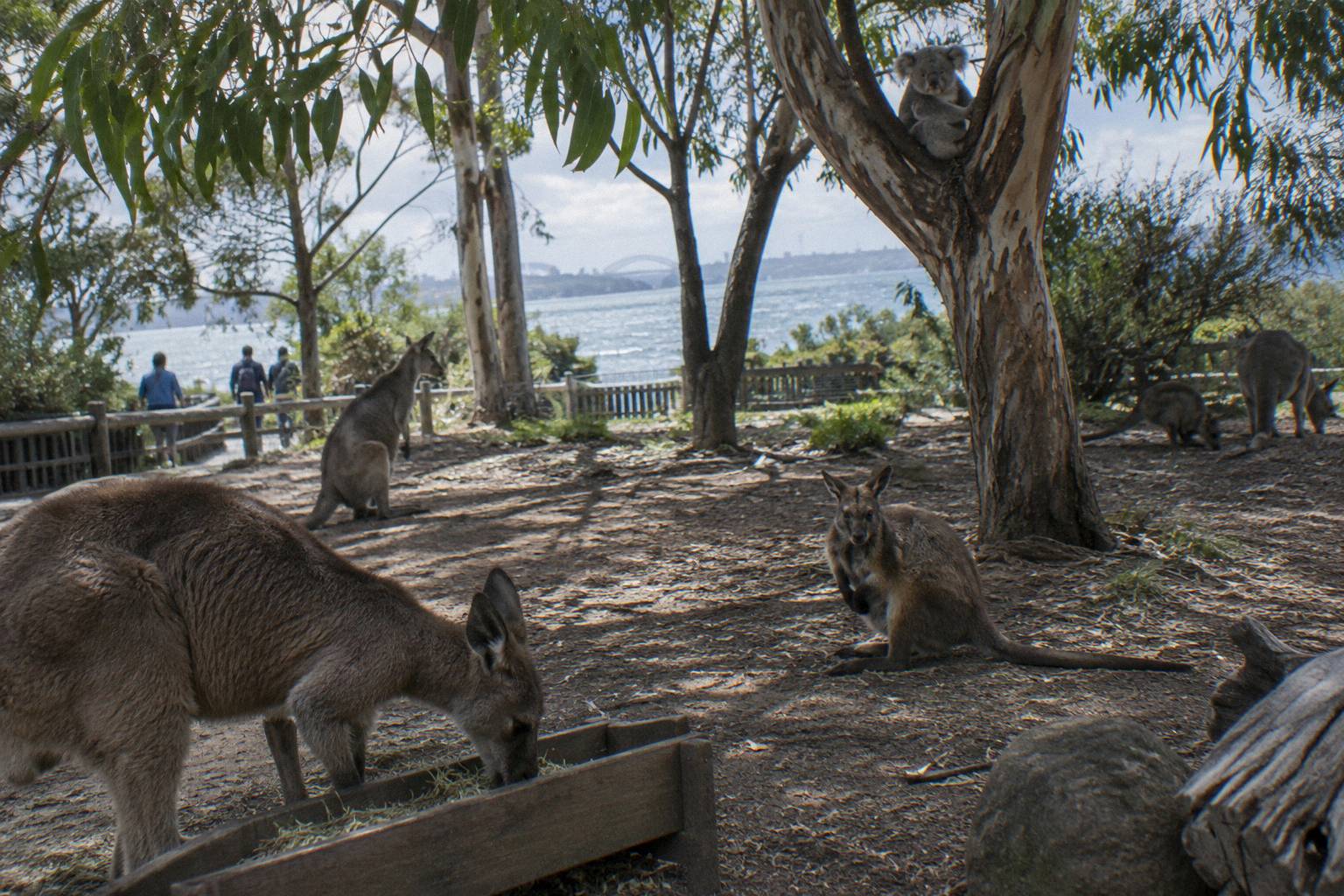
Park days look different on paper. The Koala And Kangaroo Encounters With BBQ day spends most of its time at the Australian Reptile Park, and the booking page lists exactly what you get there: a close-up koala meeting with a photo, a kangaroo encounter with kangaroo food supplied by the park, and an all-you-can-eat BBQ lunch. Nothing about that day depends on an animal deciding to show up.
Wondering whether that wild day is worth committing to? The tour below is the wild-habitat option, and it can be cancelled free up to 24 hours before it runs.
It is also worth knowing what official sources actually say about wild kangaroos, because tour marketing can outrun the record. The NSW National Parks and Wildlife Service does publish at least one blunt statement about a specific park: of Murramarang National Park on the south coast it says "You'll spot eastern grey kangaroos and abundant birdlife", on the park's official page. That park sits near Batemans Bay, on the New South Wales South Coast. Closer to Sydney, the official record is thinner: guided walks in Ku-ring-gai Chase National Park mention wallabies, and the Blue Mountains National Park page names no kangaroo, koala or wombat at all, just a captioned rock wallaby and a note about wildlife spotting at remote sites at night. So when a Sydney tour's booking page describes wild kangaroos at a specific stop, that is the operator's own claim about its route, worth reading as such. For more on where wild kangaroos can genuinely be found, see where to see wild kangaroos near Sydney.
Which Sydney Tours Are Wild Days, Park Days, Or Mixed Days?
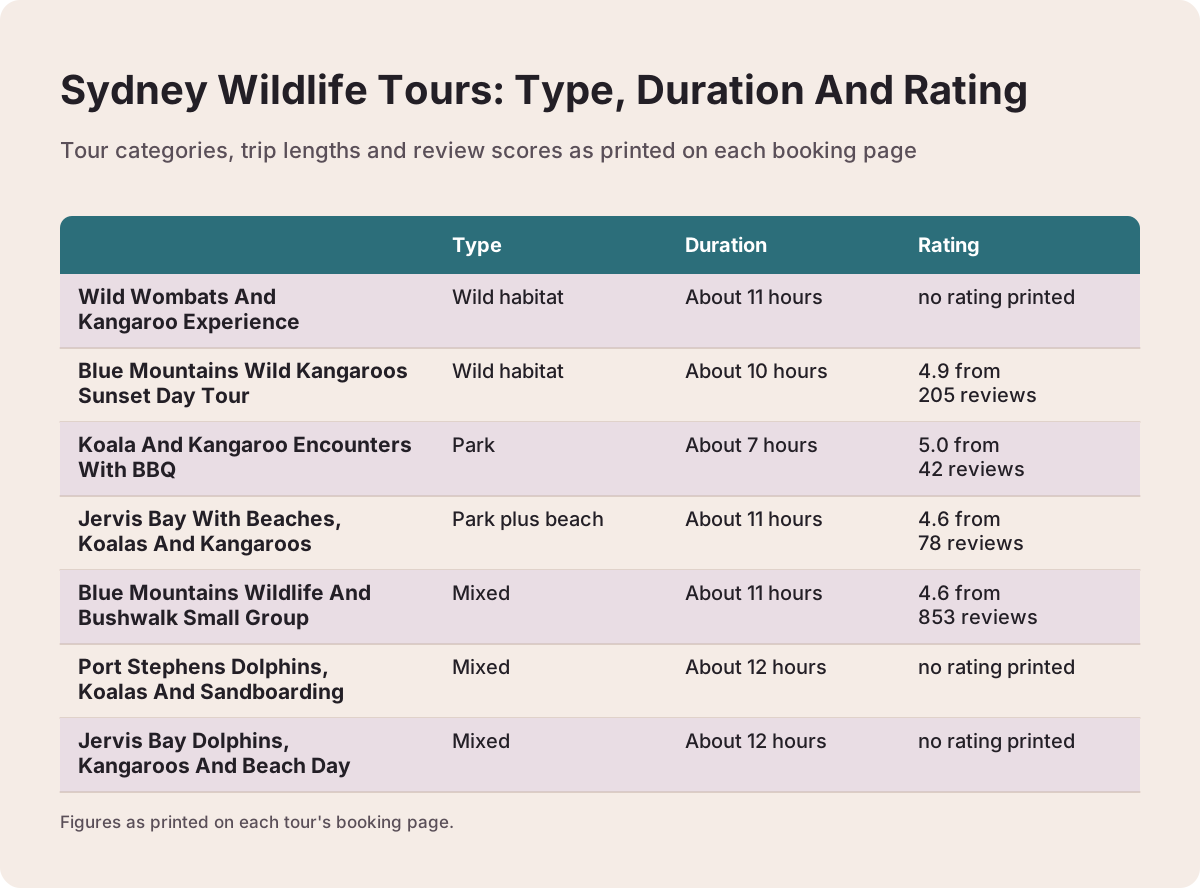
Five tours are habitat-first, three are park-first, and two mix both in one itinerary: the Wild Wombats day and the Blue Mountains sunset day are wild; the BBQ koala day, the Symbio Jervis Bay day, and the Featherdale Blue Mountains days are park; Port Stephens and the Jervis Bay dolphins-and-kangaroos day mix wild-water dolphins with koalas in a park or sanctuary. The table below classifies each by what its own booking page describes, with the printable ratings where they exist.
| Tour | Type | What the booking page describes |
|---|---|---|
| Wild Wombats And Kangaroo Experience | Wild habitat | About 11 hours, Macquarie Pass, Budderoo and Morton national parks, wild wombats and kangaroos per the operator, waterfalls and stargazing; no rating printed |
| Blue Mountains Wild Kangaroos And Sunset Day Tour, Late Start | Wild habitat | About 10 hours, up to 10 guests, bushwalks, Govetts Leap, pie lunch and a twilight cheese and wine spread; 4.9 from 205 reviews |
| Koala And Kangaroo Encounters With BBQ | Park | About 7 hours at the Australian Reptile Park, koala meeting with photo, kangaroo encounter with park food, BBQ lunch; 5.0 from 42 reviews |
| Jervis Bay With Beaches, Koalas And Kangaroos | Park plus beach | About 11 hours, Symbio Wildlife Park entry with a ranger-led koala encounter and kangaroo hand-feeding, then Hyams Beach; 4.6 from 78 reviews |
| Blue Mountains Wildlife And Bushwalk Small Group | Mixed | About 11 hours, Featherdale Wildlife Park plus a guided Wentworth Falls bushwalk and Three Sisters stop; 4.6 from 853 reviews |
| Port Stephens Dolphins, Koalas And Sandboarding Day Trip | Mixed | About 12 hours, a 90-minute Dolphin Discovery cruise from Nelson Bay, a koala sanctuary visit, Stockton Beach 4WD and sandboarding; no rating printed |
| Jervis Bay Dolphins, Kangaroos And Beach Day | Mixed | About 12 hours, a 1.5-hour dolphin cruise in Jervis Bay Marine Park plus Booderee National Park entry for wild kangaroo encounters; no rating printed |
Read the mixed days carefully, because they are where expectations most often go wrong. The Port Stephens day puts you on open water where bottlenose dolphins are commonly seen, and the tourism body for the region markets it as the Dolphin Capital of Australia, but no cruise can promise a sighting and no write-up should print a dolphin count or a percentage. Then, an hour later, that same day visits a koala sanctuary whose residents are koalas that cannot return to the wild: sick, injured or orphaned animals in care. That is a worthwhile thing to see and support, and it is categorically not a wild-koala sighting.
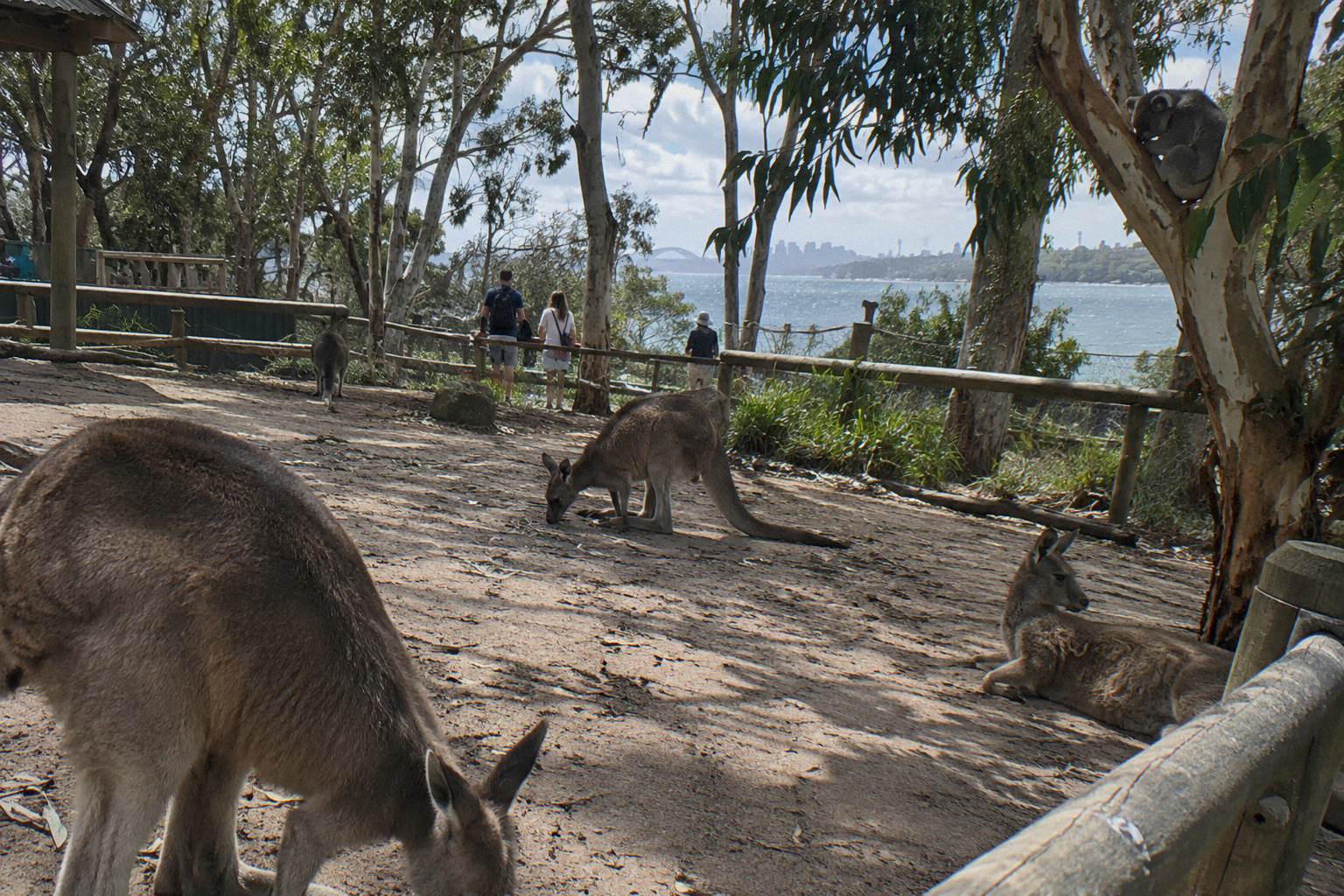
The park days deserve their own respect rather than an apology. The Koala And Kangaroo Encounters With BBQ day is the clearest example: minimum age 4, about 800 metres of easy walking, a small group of up to 10, and an itinerary where the koala meeting, the photo and the BBQ are all listed inclusions rather than hopes. For a family whose youngest cannot manage a bushwalk with stairs and uneven ground, that predictability is not a compromise, it is the point.
The Featherdale-based Blue Mountains days, including the Blue Mountains Wildlife And Bushwalk Small Group run by Activity Tours Australia, are the classic mixed product: about 75 minutes at Featherdale to meet kangaroos, koalas and wombats, then a guided bushwalk to a Wentworth Falls lookout and a Three Sisters photo stop, with lunch at your own expense and hotel-area pickup included. You get an animal morning and a wild-landscape afternoon, and short walks of 10 to 45 minutes at a medium fitness level. For where the koala rules leave that Featherdale visit, keep reading.
Can You Hold Or Cuddle A Koala In New South Wales?
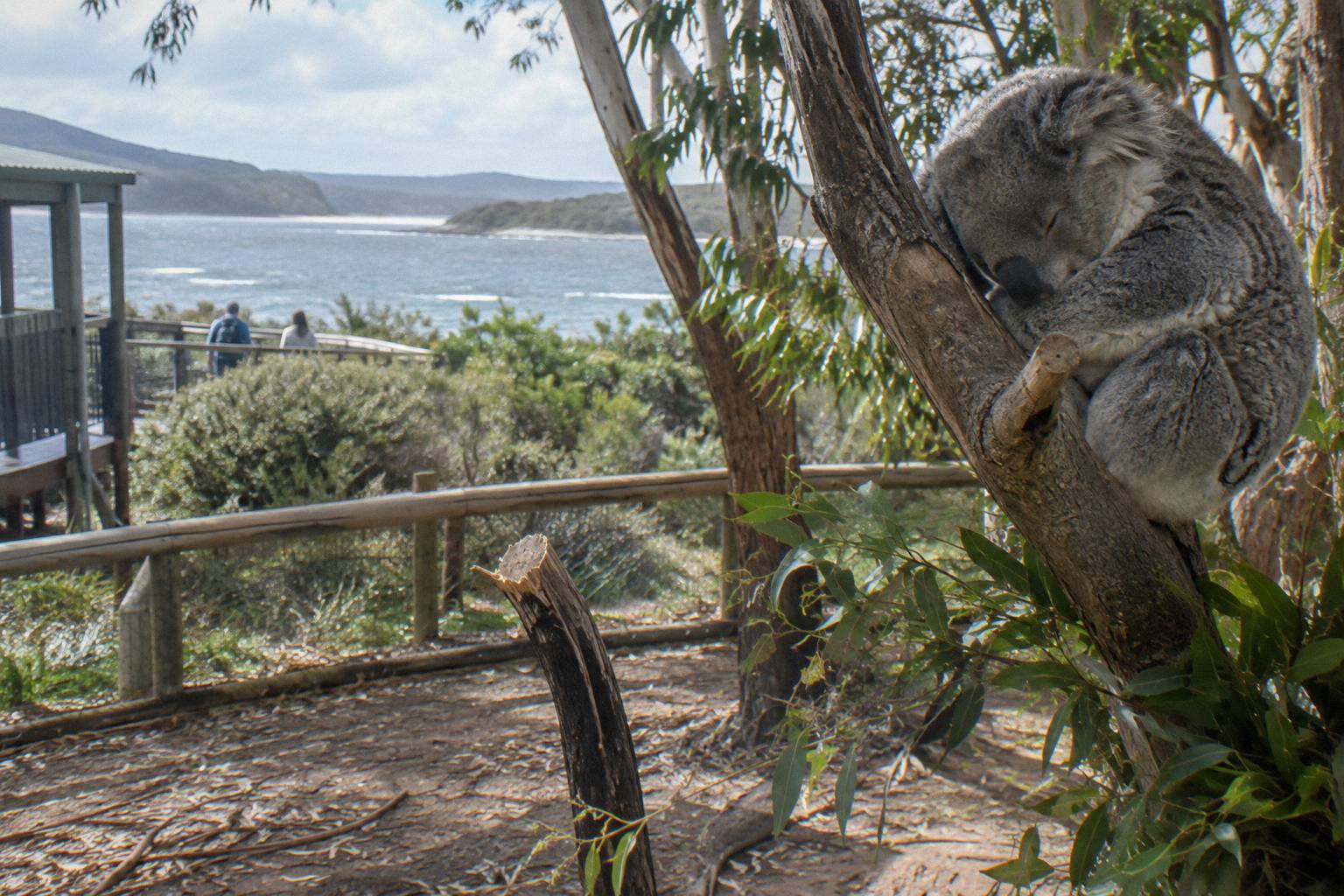
No: you cannot hold or cuddle a koala anywhere in New South Wales, and any tour or page suggesting otherwise is wrong; the most any NSW park offers is meeting a koala and, at Featherdale, patting one under keeper guidance with a souvenir photo. The Jervis Bay booking page states it plainly: "You cannot hold koalas in New South Wales", and that encounters are run by a trained professional. Featherdale Sydney Wildlife Park says the same in its own words: "While you can't 'Cuddle a Koala', you may have the chance to meet and possibly even pat our national treasure."
This catches international visitors hardest, because holding is legal in some other Australian states and the photos travel further than the rules. In NSW the verbs that matter are meet, see, photograph, and at Featherdale specifically, pat. Featherdale's encounters page describes a personal Koala Experience where you have the opportunity to pat a koala, with a souvenir photo, as listed on the park's own site. Koala Kindy Encounter sessions run at 9:15am and 9:45am with exclusive access to the koala enclosures, so timing a Featherdale-based tour day against those sessions can matter if the koala is your priority.
The park-versus-wild line runs straight through the koala question too. Koalas at Featherdale and at the Port Stephens Koala Sanctuary are in a park or in care, never wild. The sanctuary at One Mile runs a hospital for sick, injured or orphaned koalas and houses animals that cannot return to the wild. And on the wild side, there is no official NPWS statement on where to find wild koalas near Sydney, so no wild-koala place is named at all, and no tour promises one. If the koala question is what brought you here, the longer treatment is in can you hold a koala in NSW.
Is It Okay To Feed Kangaroos On A Wildlife Tour?
Feeding animals with food a park supplies, under the park's rules, is fine; feeding wild animals is not, and the NSW parks service is explicit that feeding native animals can harm them, make them sick, demanding and aggressive, and one tour lists "feeding animals" on its not-allowed list. The two practices look similar in a photo and are entirely different in fact.
The official wording leaves no room. The National Parks and Wildlife Service guidance says "Never feed wildlife in a national park without the permission of the park manager" and "Feeding native animals can harm them", explaining that it "promotes scavenging behaviour and can make them sick, demanding and aggressive", on its wildlife encounters safety page. Wild kangaroos and wallabies that learn to expect food from vehicles and people stop behaving like wild animals, and the outcomes for them are bad.
Park-supplied feeding is a different thing entirely. Featherdale lets visitors feed kangaroos, wallabies and pademelons every day during opening hours, using the park's own food in a setting the animals know. The Australian Reptile Park day lists a kangaroo encounter "including kangaroo food" as an inclusion, and the Symbio Wildlife Park day lists hand-feeding kangaroos at the park. Those are managed experiences with diet-controlled animals, not a shortcut around the wild-feeding rule.
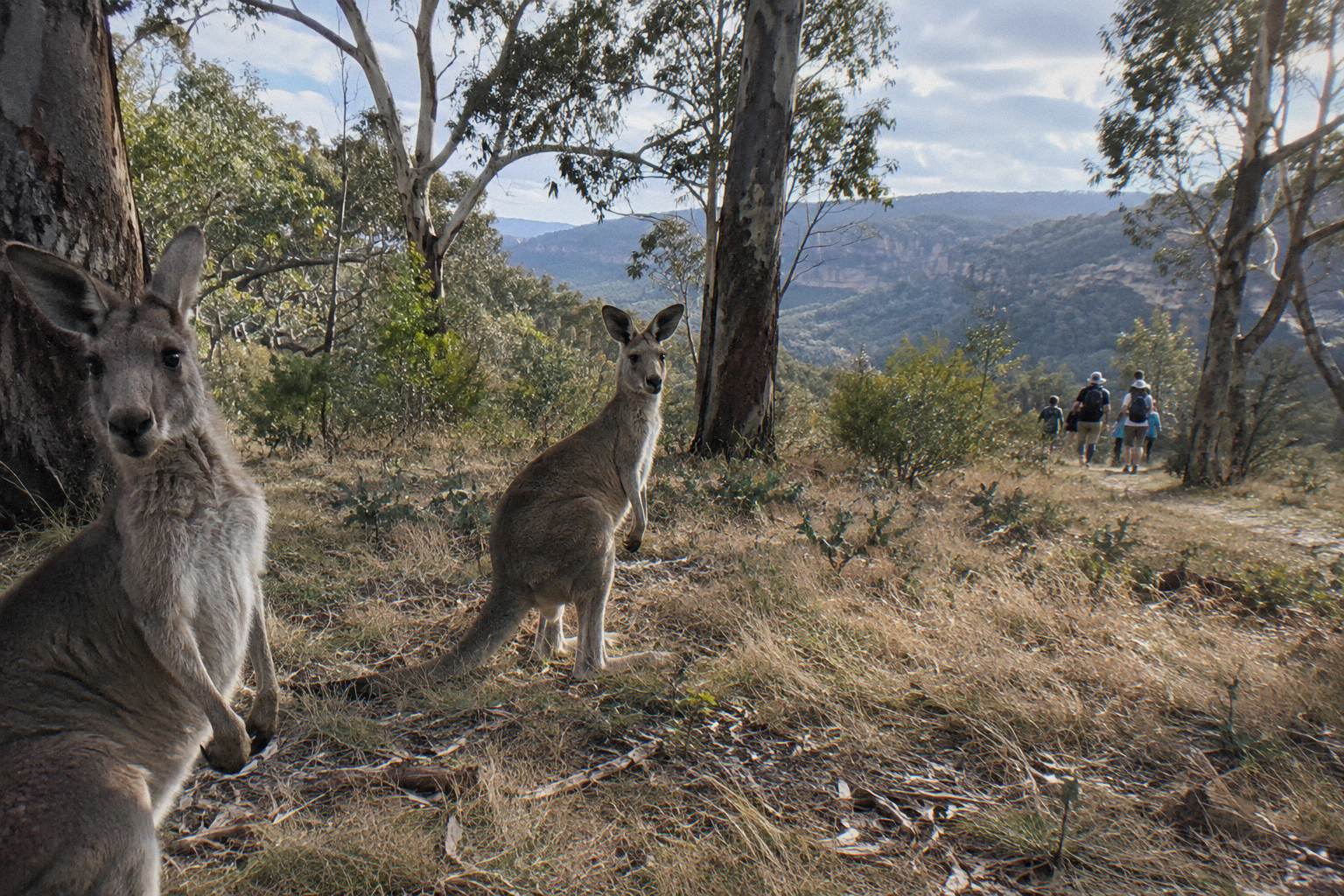
The wild-habitat tours already get this right, and it is part of what you are buying. The FeelGood! Nature Tours Blue Mountains day puts "Feeding animals" on its not-allowed list outright, and no habitat day offers feeding as an inclusion. On those days the ethics are simple: you watch, you keep your distance, and the animals go on being wild. If a full-day packing list is the next question on your list, what to bring on a full-day wildlife tour covers shoes, layers and the rest.
Which Should You Book: The Wild Day, The Park Day, Or A Mixed One?
Book the wild day if the landscape and the possibility are the point and you can accept an empty-handed morning; book the park day if a specific animal photo or a child-friendly pace is the point; and book a mixed day if you want both and can accept that each half gets less time. That single rule of thumb resolves most decisions faster than any comparison of ratings, which in any case mean little across different products with different review pools.
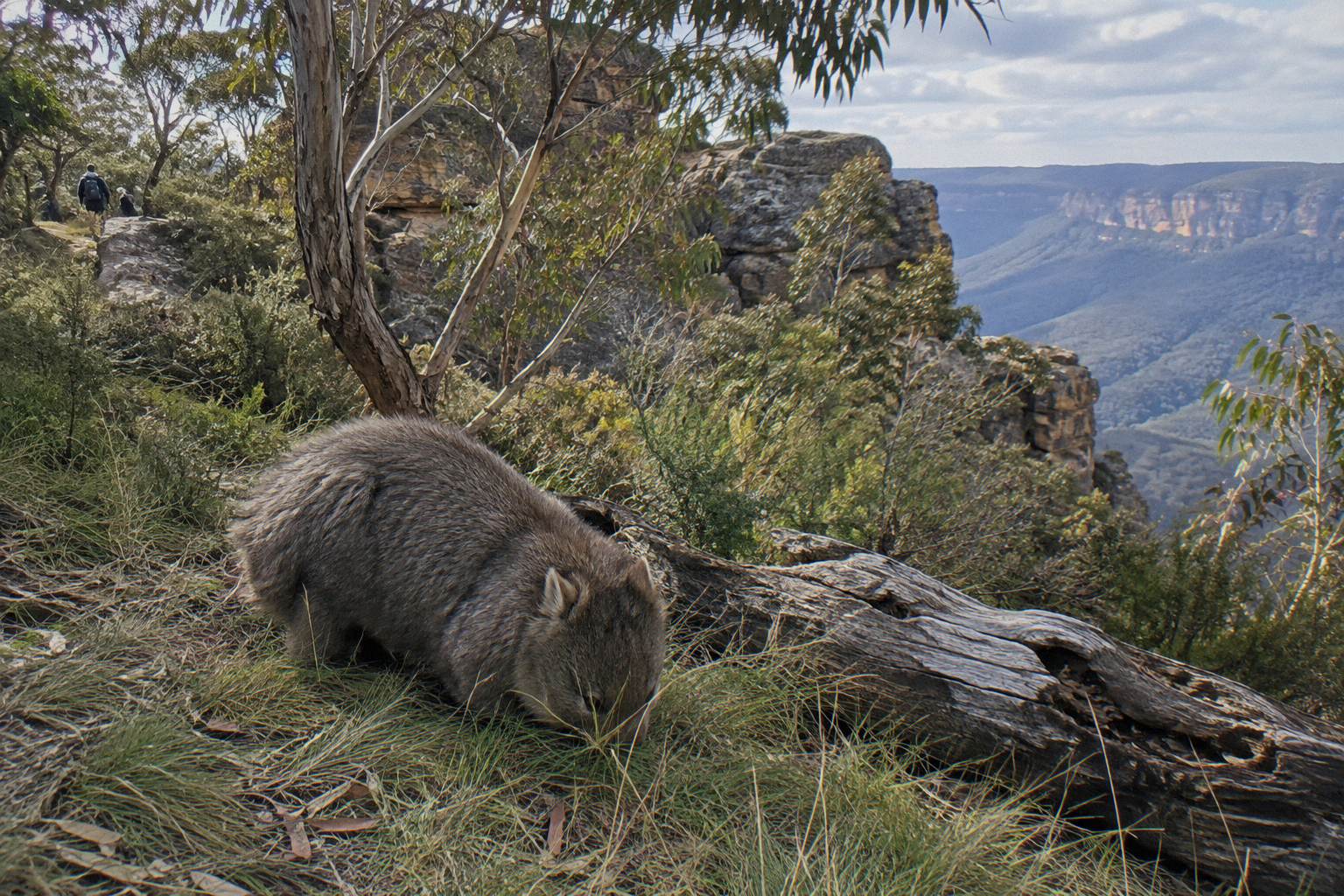
The wild days ask more of you and give more back when luck runs your way. The Wild Wombats And Kangaroo Experience is about 11 hours door to door, with Sydney transport, a guide, national park fees, lunch on departures before 12 PM, and dinner at a restaurant in a historical pub included; the operator calls it all-inclusive, and the trade is a long day in unfenced country where the wombats and kangaroos are described, not scheduled. On Sydney Wildlife Tours this is the wild day to book first, and it can be cancelled free up to 24 hours before departure. Exact pickup times are confirmed the day before and always run later than the time shown at booking, which is worth knowing before you plan a tight evening.
The park days reward a different kind of planning. Minimum ages tell the story: the BBQ koala day accepts children from 4, the Symbio Jervis Bay day from 6, while the wild Blue Mountains sunset day is not suited to under 12s and asks for a bushwalking day on uneven ground with stairs. If your group spans those ages, the park side of the line is likely the workable one. Duration matters too: about 7 hours for the BBQ day against about 11 or 12 hours for the habitat and mixed days is a real difference for young legs and older knees alike.
| If your priority is... | Lean toward | Why |
|---|---|---|
| A koala photo, captive animals, kids under 8 | Park day (BBQ koala day, Symbio day) | Listed encounters, park-supplied feeding, low minimum ages, short walking |
| Wild scenery, walking, sunset, small group | Wild day (Blue Mountains sunset day) | Up to 10 guests, bushwalks with easier and harder options, twilight spread |
| Wombats and a big habitat loop with meals in | Wild day (Wild Wombats day) | Two-plus national parks, lunch and dinner included, about 11 hours |
| Dolphins on open water plus koalas | Mixed day (Port Stephens, Jervis Bay days) | Dolphin cruise plus sanctuary or park visit in one itinerary |
| One day, both experiences | Mixed Featherdale day | Park animals in the morning, Blue Mountains lookouts after |
One note on money, because it differs across these formats even though no prices belong here: what you pay is shown on the booking page when you pick a date, and the drivers are duration, inclusions such as meals and park entries, group size, and how far the day travels. An 11-hour all-inclusive habitat day and a 7-hour park day are not the same product, and their prices will not read like it either.
Mixed days carry one warning worth repeating: check which half you care about and how many minutes it gets. The Jervis Bay With Beaches, Koalas And Kangaroos day gives Symbio Wildlife Park 75 minutes, a private koala encounter with a park ranger, hand-feeding kangaroos, then about 1.5 hours at Hyams Beach and a Kiama Blowhole stop, rated 4.6 from 78 reviews, with lunch at your own expense and a minimum age of 6. That is a well-built mixed day precisely because each half is long enough to be real. A mixed day where the park stop is 20 minutes is a photo stop, not an encounter.
Before choosing, three more comparisons can sharpen the call: whether the Featherdale visit is better done on a tour, koala tours and encounters near Sydney, and wombat day tours near Sydney.
Common Questions About Wild And Sanctuary Animals
Wild Or Sanctuary Animals On A Wildlife Tour: Which Is Better?
Neither wins outright. A wild day offers habitat, walking and the chance of an unprompted sighting, with no promise any animal appears. A park day offers a managed close-up, often with younger minimum ages and shorter walking. Choose by what the day is for: the possibility, or the photo.
Can You See Wild Wombats On A Day Tour From Sydney?
Yes, it is possible: the Wild Wombats And Kangaroo Experience spends about 11 hours in national park habitat where the operator describes wild wombats and kangaroos. But wombats are wild animals on unfenced land, so the sighting is described, never promised.
Are The Koalas On Sydney Wildlife Tours Wild?
No koala on any tour is wild. Koalas at Featherdale, Symbio and the Port Stephens Koala Sanctuary are park animals or animals in care; the Port Stephens sanctuary houses koalas that cannot return to the wild. No tour promises a wild koala, and there is no official source naming a wild-koala viewing site near Sydney.
Is It Safe And Ethical To Feed Kangaroos On A Tour?
With park-supplied food inside a wildlife park, yes: Featherdale, the Australian Reptile Park and Symbio all run feeding with their own food and rules. Feeding wild kangaroos is a different matter, and the NSW parks service says it can harm them and promote demanding, aggressive behaviour; one wild-habitat tour lists feeding animals as simply not allowed.
Do Mixed Tours Give You Enough Time With The Animals?
It depends on the stop lengths on the itinerary. The Symbio Jervis Bay day allows 75 minutes at the park plus a ranger-led koala encounter, which is a real visit; a park stop of 20 to 30 minutes is closer to a photo stop. Read the itinerary minutes, not the highlight list.
Can You Hold A Koala On Any Of These Tours?
No. Holding or cuddling a koala is not possible anywhere in New South Wales. The most any NSW day offers is meeting and photographing a koala, and at Featherdale, patting one under keeper guidance.