Where To See Wild Kangaroos Near Sydney And Which Tours Go There
Wild kangaroos live across the wider Sydney region, but official sources name remarkably few specific viewing spots. Here is what the parks service and the tour booking pages actually say, and which guided days visit those places.
Short answer
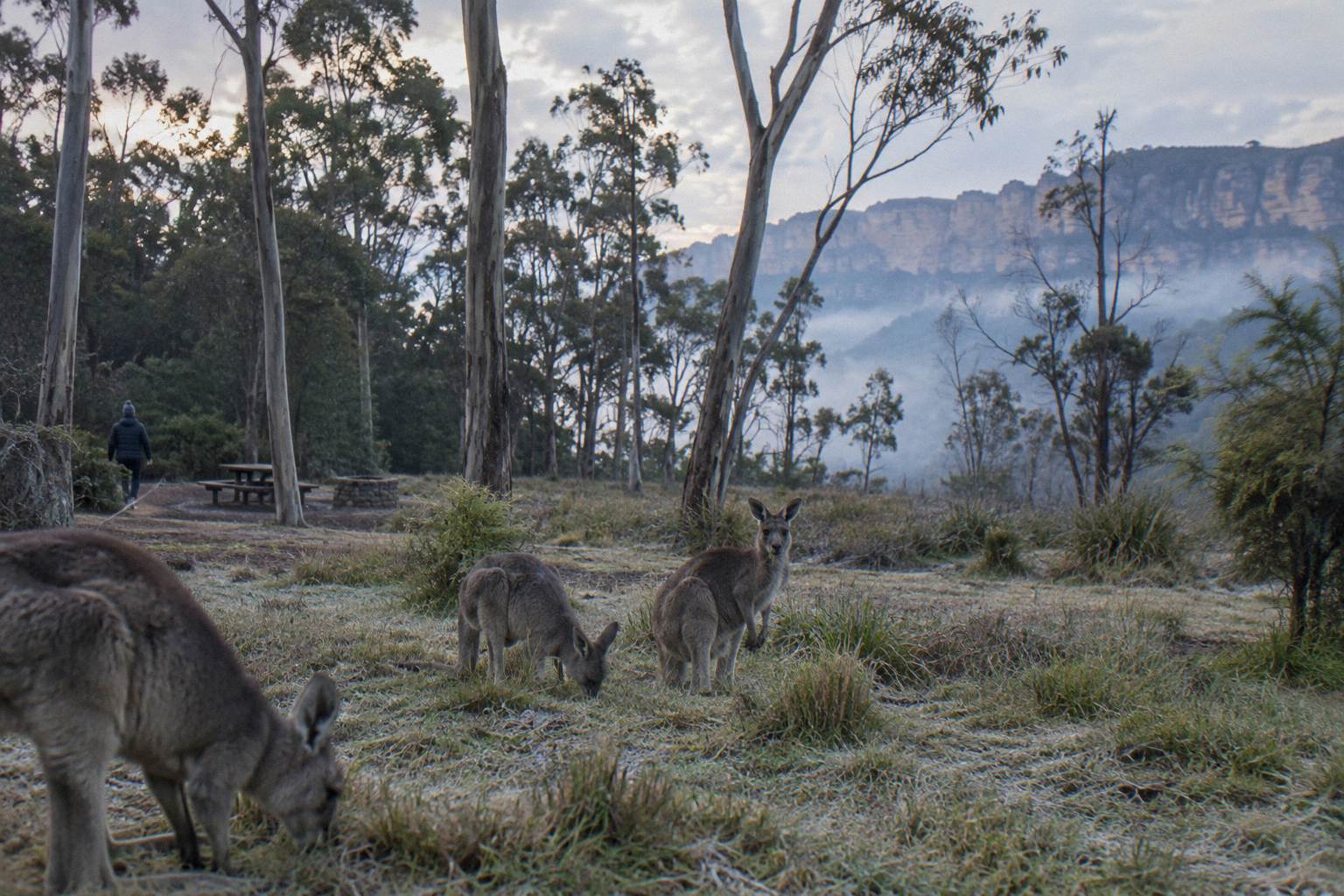
No official Sydney-area list of kangaroo viewing spots exists in the verified facts. The National Parks and Wildlife Service names eastern grey kangaroos at Murramarang National Park near Batemans Bay on the south coast. Closer options are tour days whose booking pages name wild kangaroo stops at Budderoo, Kangaroo Valley and Booderee.
Wild kangaroos are not hard to find in New South Wales. What is hard is finding a place near Sydney where an official source actually puts a name to them. Search results will happily hand you a list of "guaranteed" kangaroo meadows an hour from the city, but almost none of that survives a check against the parks service's own pages. The verified sources only count here: what the National Parks and Wildlife Service says, and what the tour booking pages themselves list as stops. Where a claim comes from a booking page rather than an official park page, it says so, because the two are not the same thing.
The short version: the NSW National Parks and Wildlife Service names Murramarang National Park, near Batemans Bay on the south coast, for its eastern grey kangaroos. That is outside the reach of a normal Sydney day tour. Within day-tour range, your realistic options are guided days whose booking pages name wild kangaroo stops, chiefly in the Illawarra and Southern Highlands country south of the city, and at Booderee National Park on the Jervis Bay coast. Alternatively, you accept a wildlife park visit, where the kangaroos are resident and the meeting is certain but not wild. For a wider view of the options, start with the guide to kangaroo tours from Sydney.
Where Official Sources Actually Place Wild Kangaroos
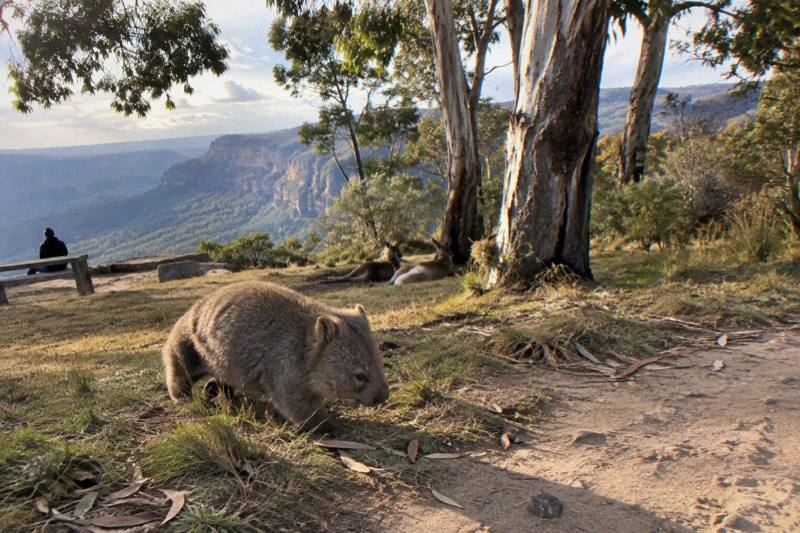
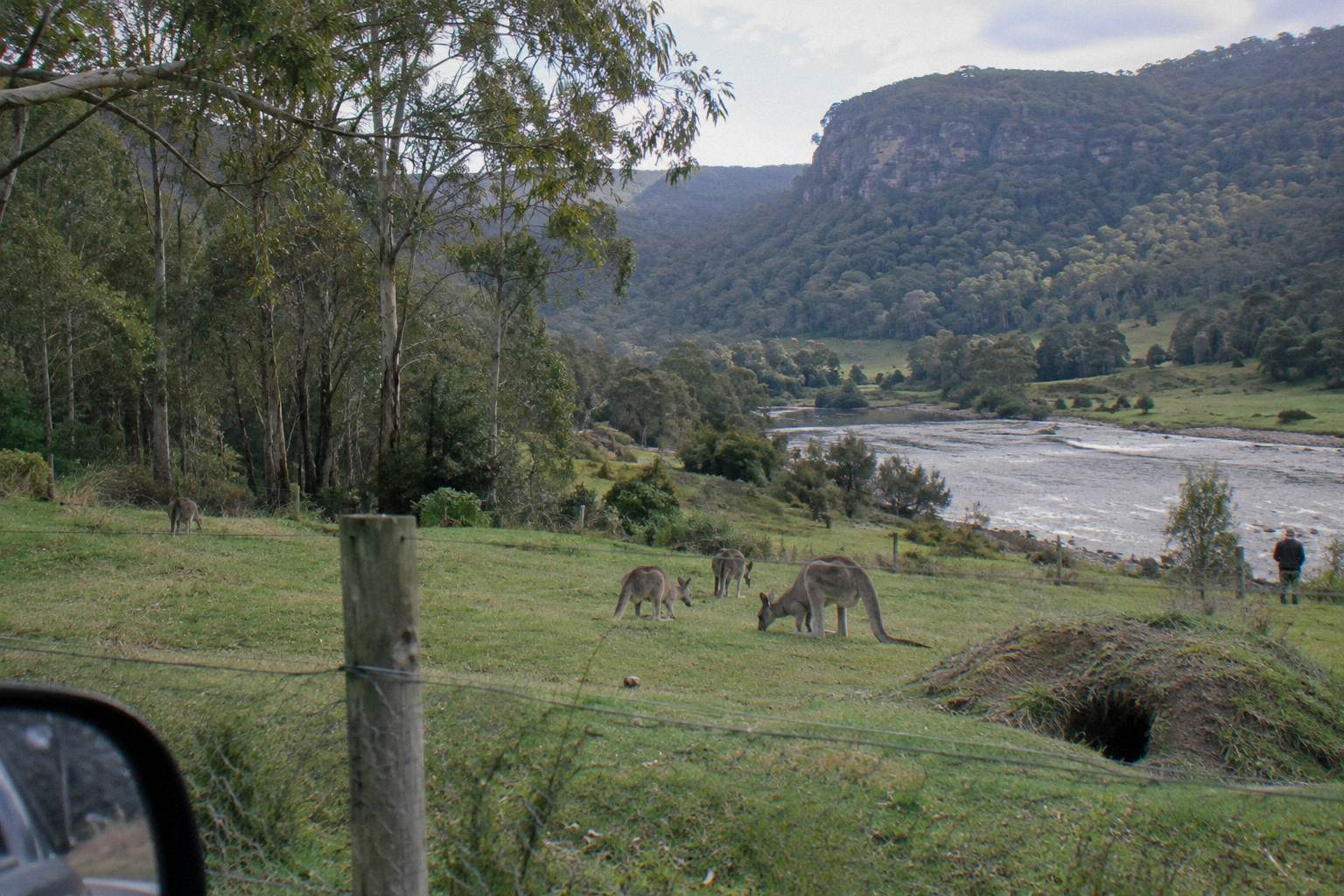
The National Parks and Wildlife Service names eastern grey kangaroos at Murramarang National Park near Batemans Bay on the south coast, one of the parks it points to for eastern greys. Closer to the city, the official record is thin: Ku-ring-gai Chase guided walks mention wallabies, and the Blue Mountains National Park page names no kangaroo, koala or wombat. No official list of Sydney-area kangaroo viewing spots exists, so check each listing for where a tour goes.
That last sentence deserves emphasis, because it is the opposite of what most listicles imply. The verified read of the Blue Mountains National Park page found exactly one animal mentioned: a rock wallaby in a photo caption, plus a note about wildlife spotting at remote four-wheel-drive sites at night. No kangaroos. No koalas. No wombats. The park is World Heritage-listed and famous for the Three Sisters, but its own page makes no wild kangaroo promise, and neither will this one.
Ku-ring-gai Chase National Park, on Sydney's northern edge, is slightly better documented: its guided walk pages mention wallabies. Wallabies are not kangaroos, though they are close relatives, and a mention on a guided-walk page is not a sighting guarantee. Still, it is an official source naming a macropod within reach of the city, which is more than most closer parks can claim in these facts.
| Source | Place named | How it is worded |
|---|---|---|
| NPWS park page | Murramarang National Park, near Batemans Bay | "You'll spot eastern grey kangaroos and abundant birdlife" |
| NPWS guided walks | Ku-ring-gai Chase National Park | Wallabies mentioned on guided walk listings |
| NPWS park page | Blue Mountains National Park | No kangaroo, koala or wombat named; a rock wallaby is captioned; wildlife spotting noted at remote 4WD sites at night |
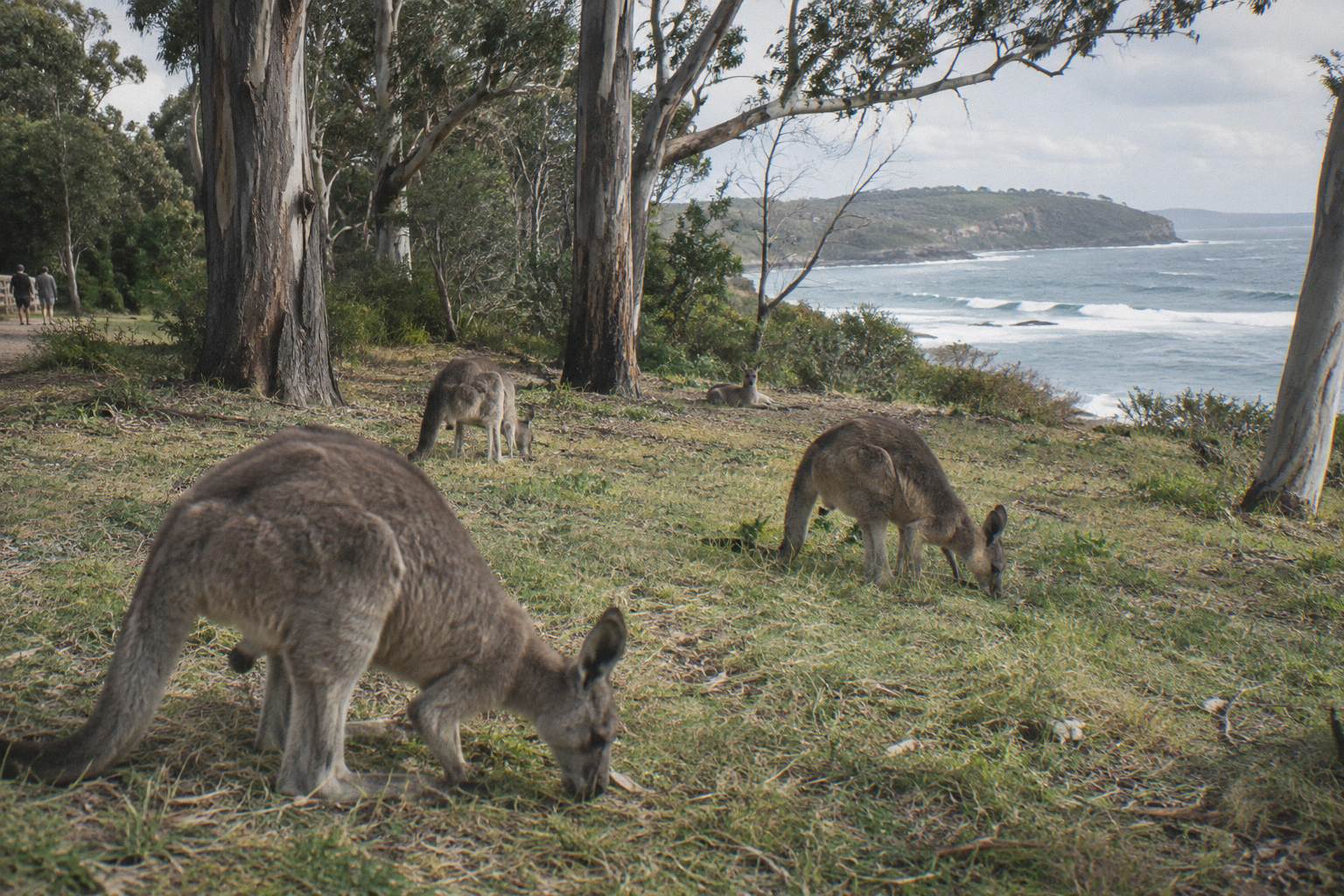
Murramarang sits near Batemans Bay on the NSW south coast, per the parks service's own page. If you want the official-source version of wild eastern greys and you have a car and a spare weekend, that is the destination the tours point to. As a Sydney day trip it does not work: the drive alone swallows most of a daylight day. The NPWS Murramarang page is the primary source for the kangaroo claim, and it is worth reading before you commit a weekend to it.
What this means practically is that within day-tour range of Sydney, the realistic answer to "where do I see wild kangaroos" comes from tour itineraries, not park pages. Several booking pages name specific wild kangaroo stops, and those are covered in detail below. Treat them as what the operator says the day includes, never as a sighting you are owed. No source, official or commercial, can promise you a wild animal.
Self-Drive Or Guided Tour: Which Suits You
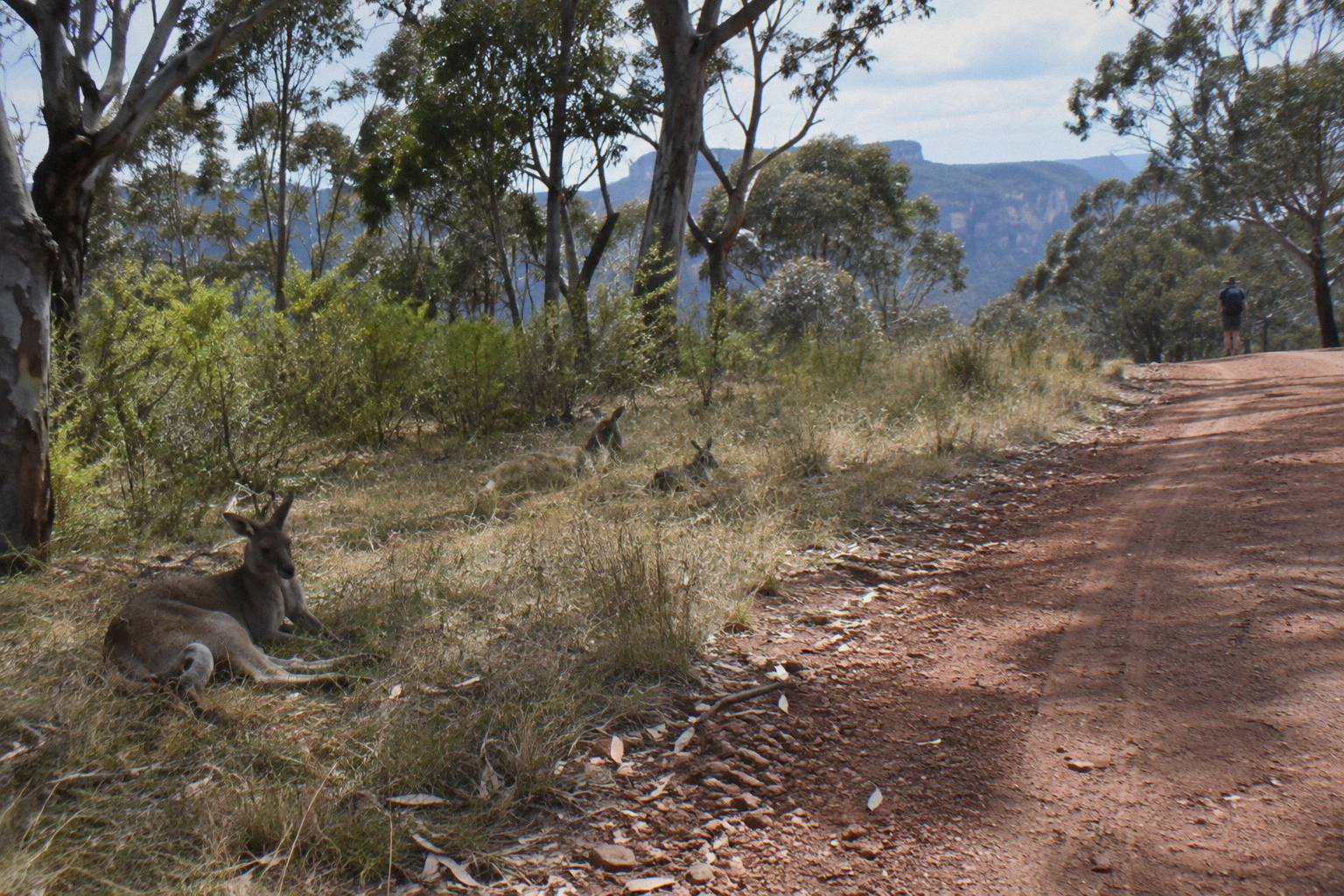
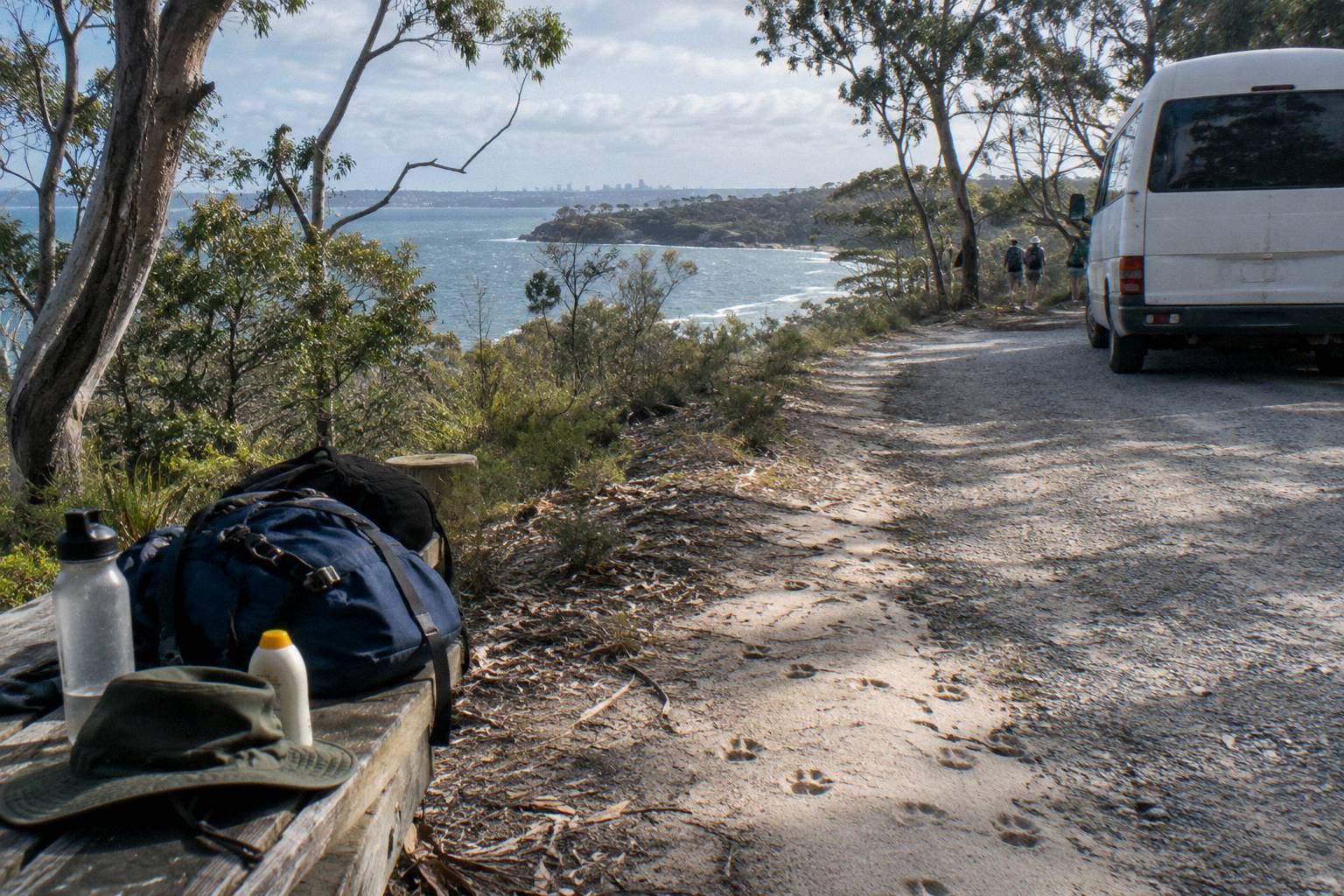
Self-drive suits confident drivers with a full spare day and a tolerance for uncertainty, because you will be driving two to three hours each way to country where booking pages, not park signs, document the kangaroos. A guided tour trades that uncertainty for a fixed price and a guide who knows the paddocks and clearings, with pickup, park fees and usually lunch handled. Neither can guarantee a sighting.
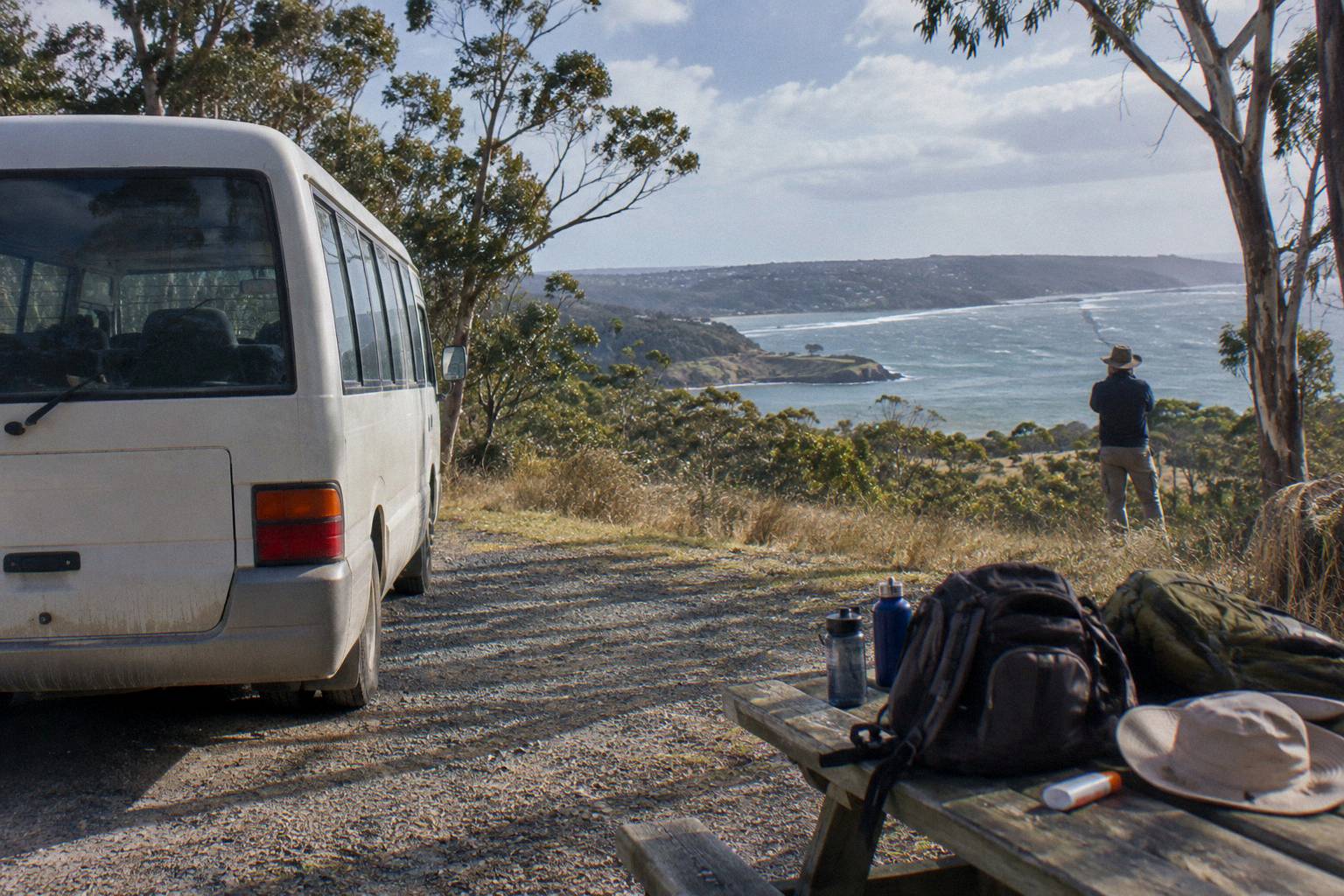
The case for self-drive is flexibility and cost on the margin. You leave when you like, stay as long as the light is good, and spend nothing beyond fuel and any park entry fee. The case against is that you are driving out to places whose kangaroo credentials rest on tour marketing rather than official designation, and a first-time visitor has no way to tell a productive clearing from an empty one. Wild eastern greys move with the season, the weather and the time of day, and local knowledge matters more here than in most wildlife tourism.
A guided day compresses that learning. The operator has run the route dozens of times, times the stops around animal activity rather than around your lunch plans, and in several cases holds park entry and meals inside the one booking. A piece on the best time of day to spot wildlife near Sydney explains why timing drives so much of the success rate; a tour that lands you in kangaroo country at the right hour is doing half the work. If you are travelling with children, the arithmetic tilts further toward a tour, and the family guide to wildlife tours from Sydney covers the minimum ages tour by tour.
There is a third path that deserves naming plainly: wildlife parks. Featherdale Sydney Wildlife Park lets visitors feed kangaroos, wallabies and pademelons every day during opening hours, with the park's own food, per its encounters page. That is a certain meeting with a resident animal, not a wild one. Some travellers genuinely prefer it, especially with small kids or a tight schedule; others will find it defeats the purpose. Neither reaction is wrong, but you should know which you are buying. The Featherdale visit-or-tour comparison works through the trade-off in full.
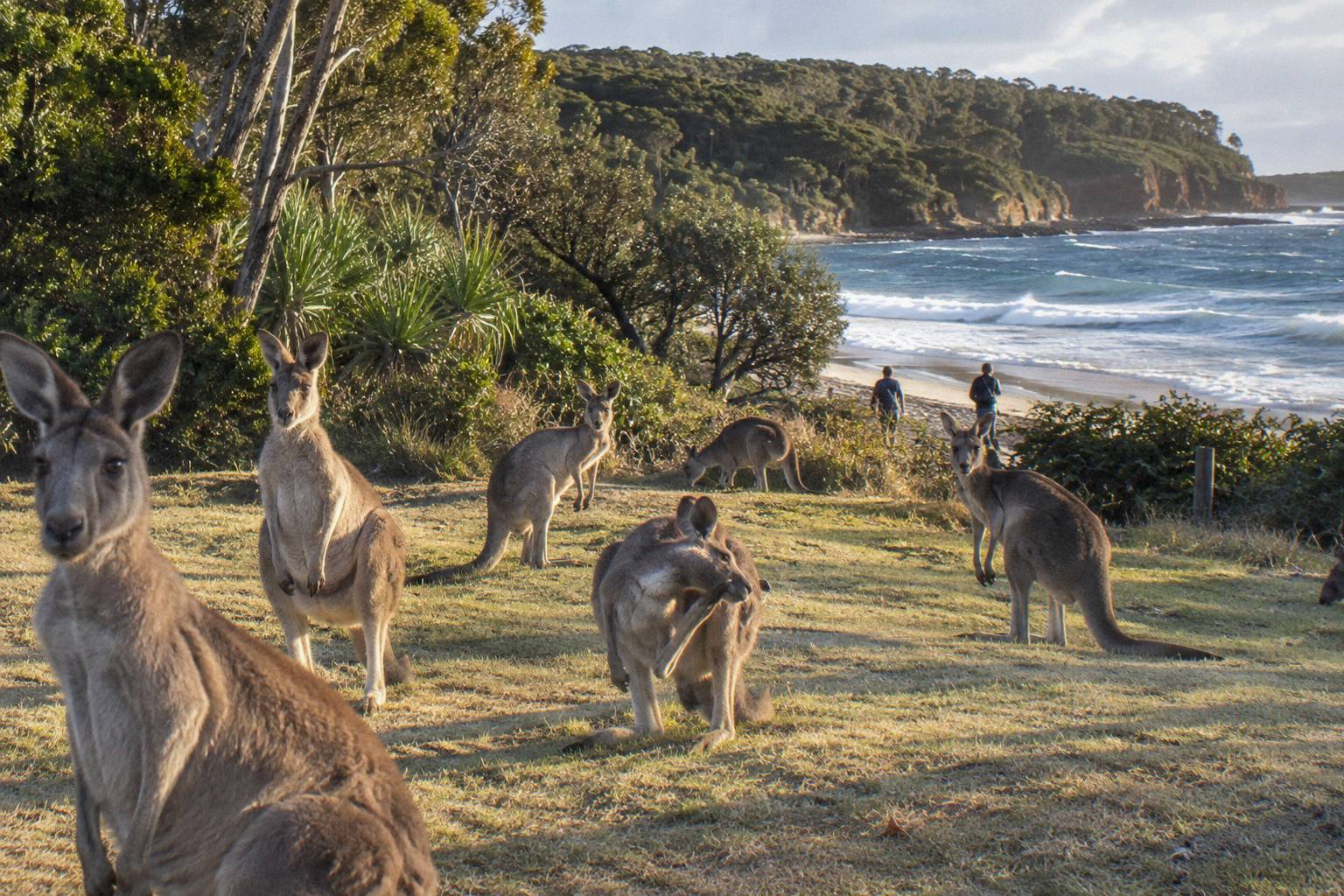
The three guided days below are the ones whose booking pages name wild kangaroos as part of the itinerary, spanning the price-and-format spectrum from a small-group sunset walk to a big 12-hour coast day. Each links to its full tour page for the details that matter at booking time.
The Tours Whose Booking Pages Name Wild Kangaroo Stops
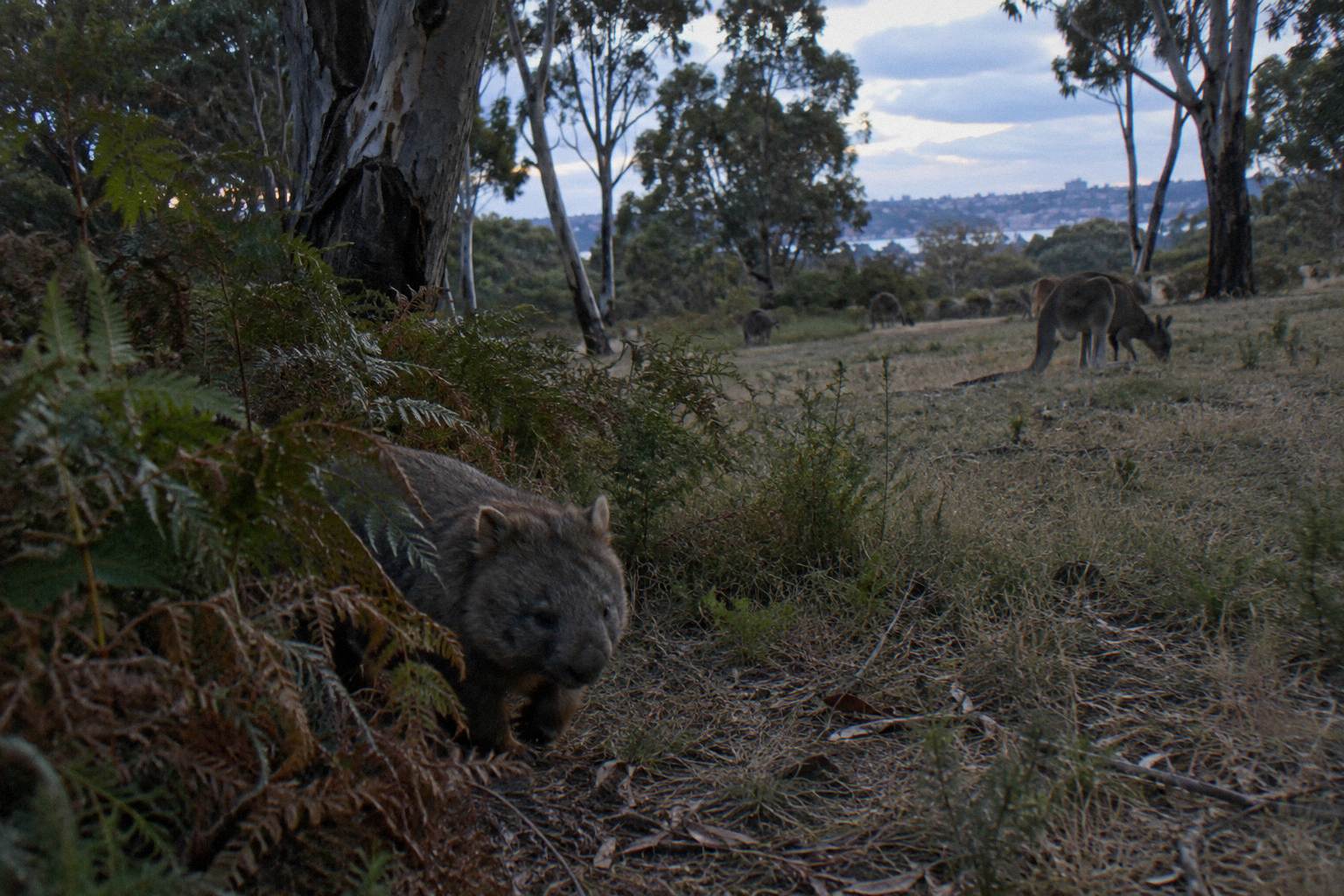
Three tour days name wild kangaroos in their itineraries: the Wild Wombats And Kangaroo Experience, whose booking page lists optional stops in Budderoo and Morton National Parks; the Wombat And Kangaroo Wildlife Tour through Kangaroo Valley and the Illawarra falls; and the Jervis Bay Dolphins, Kangaroos And Beach Day, which includes Booderee National Park entry for wild kangaroo encounters. These are operator descriptions, not sighting guarantees.
Start with the Wild Wombats And Kangaroo Experience, an about-11-hour day from two city pickup points. Its booking page lists transport on a 2025 model bus, a guide, national park fees, lunch for departures before 12 PM, dinner at a restaurant in a historical pub, and snacks along the way; itineraries show Macquarie Pass National Park, a Robertson pie shop stop, and optional time in Budderoo and Morton National Parks. The operator calls it an all-inclusive tour with wild wombats and kangaroos, two national parks, waterfalls, viewpoints and stargazing. Attribute that framing to the operator, and hold it lightly: the word "wild" on a booking page means the animals are not fenced in, not that they will appear. Exact pickup times are confirmed by message the day before, and they are always later than the time shown at booking. Cancellation is free up to 24 hours before.
The Wombat And Kangaroo Wildlife Tour is a separate product on a second booking page, roughly 10 hours, meeting at Central Station's Kiss and Ride Bay. Its listed inclusions are a picnic lunch, bottled water, tea and instant coffee, an air-conditioned vehicle, a guide and all fees and taxes. The itinerary runs through Wollongong, Carrington Falls, Fitzroy Falls, Hampden Bridge and 90 minutes in Kangaroo Valley, a district whose very name signals where the wildlife watching happens. No rating or review count is printed for this tour, so none is listed. Its cancellation terms aren't listed, so check the live booking page before you book if that matters to you.
The longest of the three is the Jervis Bay Dolphins, Kangaroos And Beach Day, about 12 hours from George Street in Haymarket. The booking page lists a 1.5-hour dolphin-watching cruise through Jervis Bay Marine Park, entry to Booderee National Park for wild kangaroo encounters, a guided White Sands Trail walk, an English-or-Portuguese guide and photo assistance, in a small group of up to 20. Lunch is not included; Huskisson gives you an hour to buy some. Families with children aged 3 and up are catered for, infants on laps, and the day needs moderate fitness. The cruise goes ahead in light rain. Print no dolphin count and promise no sighting, of either species.
| Tour | Booking page duration | Kangaroo wording | Pickup | Group size |
|---|---|---|---|---|
| Wild Wombats And Kangaroo Experience | about 11 h | Operator describes wild wombats and kangaroos; optional Budderoo and Morton NP stops | 2 city points, times confirmed day before | Not stated |
| Wombat And Kangaroo Wildlife Tour | about 10 h | Kangaroo Valley stop of 1 h 30 m in itinerary | Central Station, Kiss and Ride Bay | Not stated |
| Jervis Bay Dolphins, Kangaroos And Beach Day | about 12 h | Booderee National Park entry "for wild kangaroo encounters" | 812 George St, Haymarket | up to 20 |
A different category of kangaroo day is the Blue Mountains Wild Kangaroos And Sunset Day Tour, Late Start, run by FeelGood! Nature Tours. It is rated 4.9 from 205 reviews on its booking page, runs about 10 hours in a group of up to 10, and is built as a bushwalking day: Mountain High Pies lunch, Govetts Leap, Wentworth Falls, and a twilight cheese and wine spread at a sunset location the operator keeps quiet. Note that this is a Blue Mountains walking day rather than a named wild kangaroo stop itinerary, and the booking page's own not-allowed list includes feeding animals. Minimum age is 12.
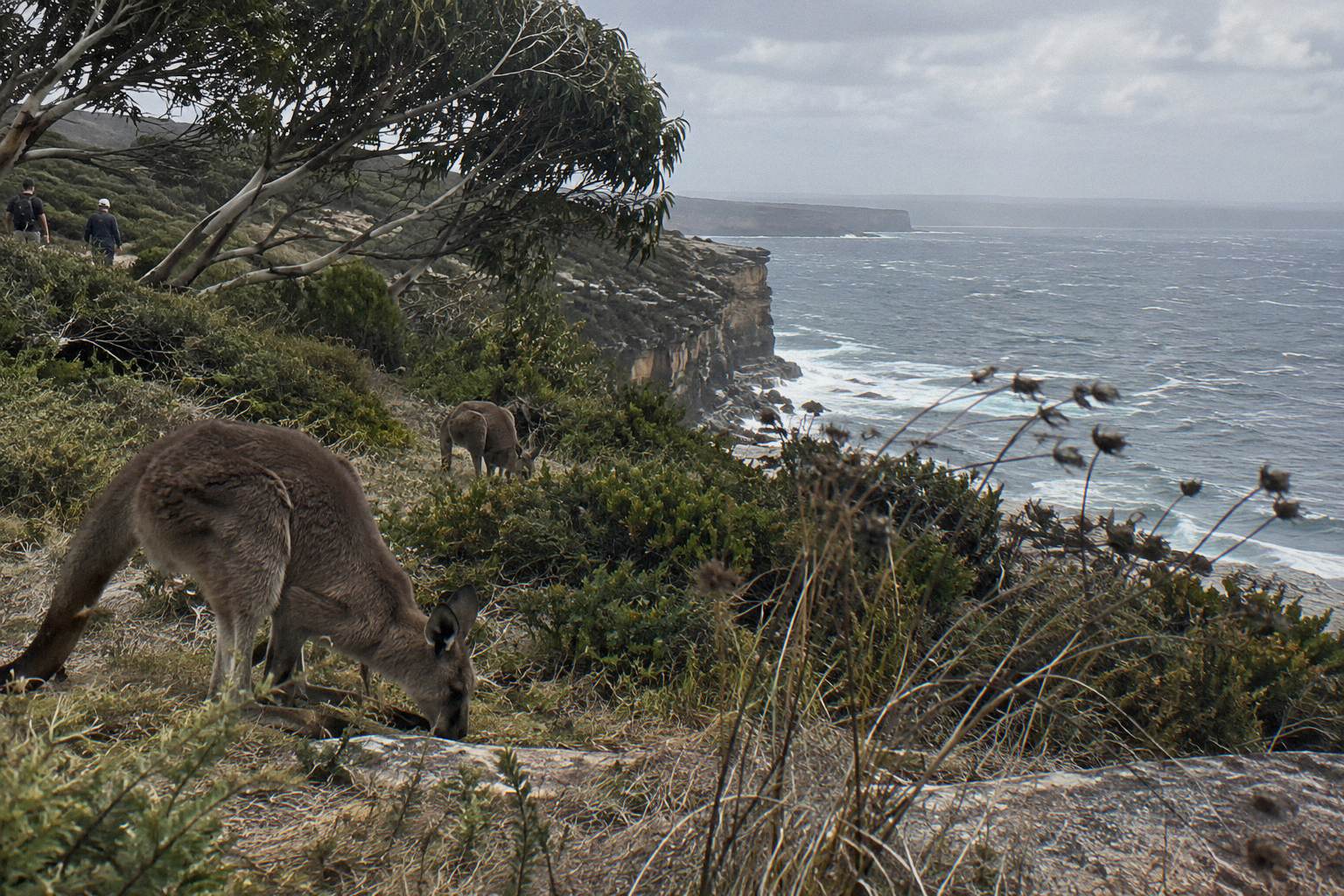
If your heart is set on the word "wild", book one of the three itinerary days above and treat anything you see as a bonus earned by good timing. If your heart is set on a photograph of a kangaroo, full stop, the encounters are the safer spend, and they are covered next.
Wild Encounters Versus Park Encounters
Wild kangaroo encounters depend on weather, season and luck; park encounters depend only on opening hours. Featherdale Sydney Wildlife Park lets visitors feed kangaroos, wallabies and pademelons daily during opening hours with the park's food, and the Koala And Kangaroo Encounters With BBQ day includes a kangaroo encounter with kangaroo food at the Australian Reptile Park. The trade is certainty against the word wild.
This is the fork in the road most kangaroo seekers reach on day two of research. The wild days are unpredictable and weather-exposed. The park days are near-certain, and in Featherdale's case the feeding is explicitly sanctioned by the park itself, which is a different thing from a visitor handing over bread, a distinction that matters legally as well as ethically. The wider set of guides lives on Sydney Wildlife Tours.
The parks service is blunt about the ethics. Its wildlife encounters guidance says never feed wildlife in a national park without the permission of the park manager, that feeding native animals can harm them, and that it promotes scavenging behaviour and can make animals sick, demanding and aggressive. In a park like Featherdale, the food is the park's own and the routine is managed; in a national park clearing, the same act is prohibited and harmful. Never feed a wild kangaroo, no matter how tame it looks, and never book anything that encourages you to.
On the park side of the ledger, the Koala And Kangaroo Encounters With BBQ day is the most encounter-dense option. Its booking page lists a VIP close-up koala meeting with photos, Australian Reptile Park admission, a kangaroo encounter including kangaroo food, and an all-you-can-eat Australian BBQ lunch with meats, seafood and vegetables. It runs about 7 hours in a group of up to 10, minimum age 4, meeting at Woolloomooloo with roughly 800 metres of easy walking. It is rated 5.0 from 42 reviews on its booking page, a strong score drawn from a modest pool. One wording note that matters: the koala is met and photographed, never held or cuddled, because holding a koala is not permitted in New South Wales. The post on whether you can hold a koala in NSW unpacks that rule.
| Encounter type | Where | What is promised | Certainty |
|---|---|---|---|
| Wild, guided | Budderoo, Kangaroo Valley, Booderee stops | Operator wording only; sighting never guaranteed | Low to moderate |
| Wildlife park feeding | Featherdale Sydney Wildlife Park | Feeding kangaroos, wallabies and pademelons daily during opening hours, park food | High |
| Reptile park encounter | Australian Reptile Park, via BBQ tour | Kangaroo encounter with kangaroo food, koala meeting with photo | High |
Featherdale's own details are worth knowing if you go independently: the park is at 217 Kildare Road, Doonside, open 8 AM to 5 PM daily, with shorter Christmas Day hours, per its animal encounters page. Taronga Zoo, open 365 days a year and a 12-minute ferry from Circular Quay, is the other certain-visit option, though its kangaroo experience is a zoo format rather than a feeding encounter.
How Long Each Kangaroo Day Runs, And What Drives The Price
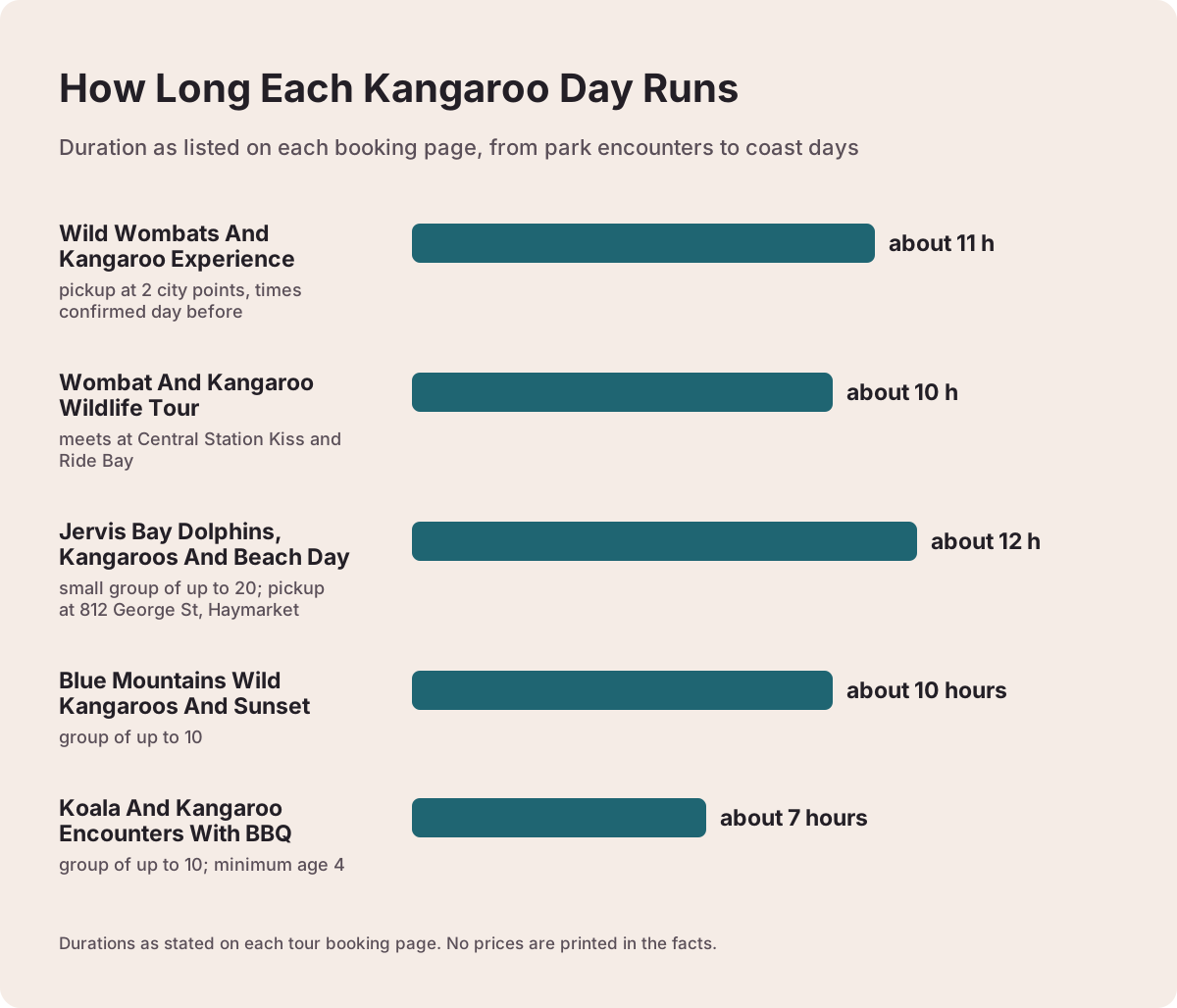
Kangaroo-relevant days run from about 7 hours, the Reptile Park BBQ encounter, to about 12 hours for the Jervis Bay and Port Stephens coast trips, with the Illawarra and Blue Mountains days between at 10 to 11 hours. Each booking page shows the cost once you pick a date. What you pay depends mainly on duration, inclusions, group size, pickup and park entries.
Duration is the first number to check against your own stamina, because these are long days with city traffic at both ends. The booking-page durations, all approximate, stack up like this.
| Tour | Approximate duration |
|---|---|
| Koala And Kangaroo Encounters With BBQ | about 7 hours |
| Blue Mountains Wild Kangaroos And Sunset Day Tour, Late Start | about 10 hours |
| Wombat And Kangaroo Wildlife Tour | about 10 hours |
| Wild Wombats And Kangaroo Experience | about 11 hours |
| Blue Mountains Wildlife And Bushwalk Small Group | about 11 hours |
| Jervis Bay With Beaches, Koalas And Kangaroos | about 11 hours |
| Jervis Bay Dolphins, Kangaroos And Beach Day | about 12 hours |
| Port Stephens Dolphins, Koalas And Sandboarding Day Trip | about 12 hours |
Read those numbers against what the day contains. The 7-hour BBQ encounter is short because the Australian Reptile Park sits roughly an hour north of the city and the whole day happens in one venue. The 12-hour Jervis Bay days are long because the coach covers about three hours each way, and the booking pages say so; you are buying the coast as much as the kangaroos. Never describe a half-day product as "all day", and never assume a listed start time is final: on the Wild Wombats day the exact pickup times are confirmed the day before and always later than the time shown at booking. Plan connections and dinner reservations around that reality.
Price drivers are consistent across these day tours. Longer days cost more, because you are buying a vehicle, a guide and fuel for more hours. Inclusions move the number: the Wild Wombats day bundles lunch, dinner, snacks and park fees, while the Jervis Bay dolphins day leaves lunch to you and the Blue Mountains bushwalk day leaves lunch at your own expense. Group size matters, with small-group formats like the up-to-10 sunset tour carrying fewer passengers per departure. Pickup type matters too: hotel-area pickup points, as on the Blue Mountains Wildlife And Bushwalk Small Group day, cost more to run than a single Central Station meeting point. Park entries, from Featherdale to Booderee, are either bundled or billed separately, and that line alone can reshape the comparison between two similarly priced days.
Cancellation terms are the quiet variable worth checking before you book anything weather-dependent. The day tours that state free cancellation all give it up to 24 hours before departure, which covers the Wild Wombats day, the sunset tour, the BBQ encounter, the Jervis Bay dolphins-and-kangaroos day and the Blue Mountains bushwalk day. The second-booking-page products, including the Wombat And Kangaroo Wildlife Tour, The listings do not state terms, so confirm on the booking page. Rain policy matters for a walking day more than a coach day: the bushwalk day runs in all weather, and the Jervis Bay cruise goes ahead in light rain, but conditions can close lookouts and cancel swimming.
Planning The Trip Around Ages, Fitness And Season
Ages and fitness filter the options faster than price does. The BBQ encounter takes children from age 4, the Blue Mountains bushwalk day from 5, the Jervis Bay beaches-and-koalas day from 6, and the sunset tour from 12, while the Jervis Bay dolphins day welcomes families with children 3 and up. Fitness matters most on the walking days, which cover uneven ground and stairs.
If you are travelling with young children, the ranking is roughly set for you. The Koala And Kangaroo Encounters With BBQ day, minimum age 4, with about 800 metres of easy walking, is the gentlest full day listed. The Blue Mountains Wildlife And Bushwalk Small Group day takes children from 5 but involves short bushwalks of 10 to 45 minutes over uneven ground and steps, needing medium fitness; it is rated 4.6 from 853 reviews, the largest review pool of these tours. The Jervis Bay With Beaches, Koalas And Kangaroos day, minimum age 6, mixes a Symbio Wildlife Park koala encounter with hand-feeding kangaroos, an hour and a half at Hyams Beach and a Kiama Blowhole stop; it is rated 4.6 from 78 reviews.
The sunset tour's age 12 floor and its requirement that under-18s travel with an adult make it an adults-and-teens product, and the booking page says as much. That is a feature if you want a quiet bushwalk and a twilight cheese and wine spread rather than a family coach day. At the other end, the Jervis Bay Dolphins, Kangaroos And Beach Day is pitched at families with children aged 3 and up, infants on laps, but flags moderate fitness and no wheelchair access, so it suits steady walkers with kids rather than strollers.
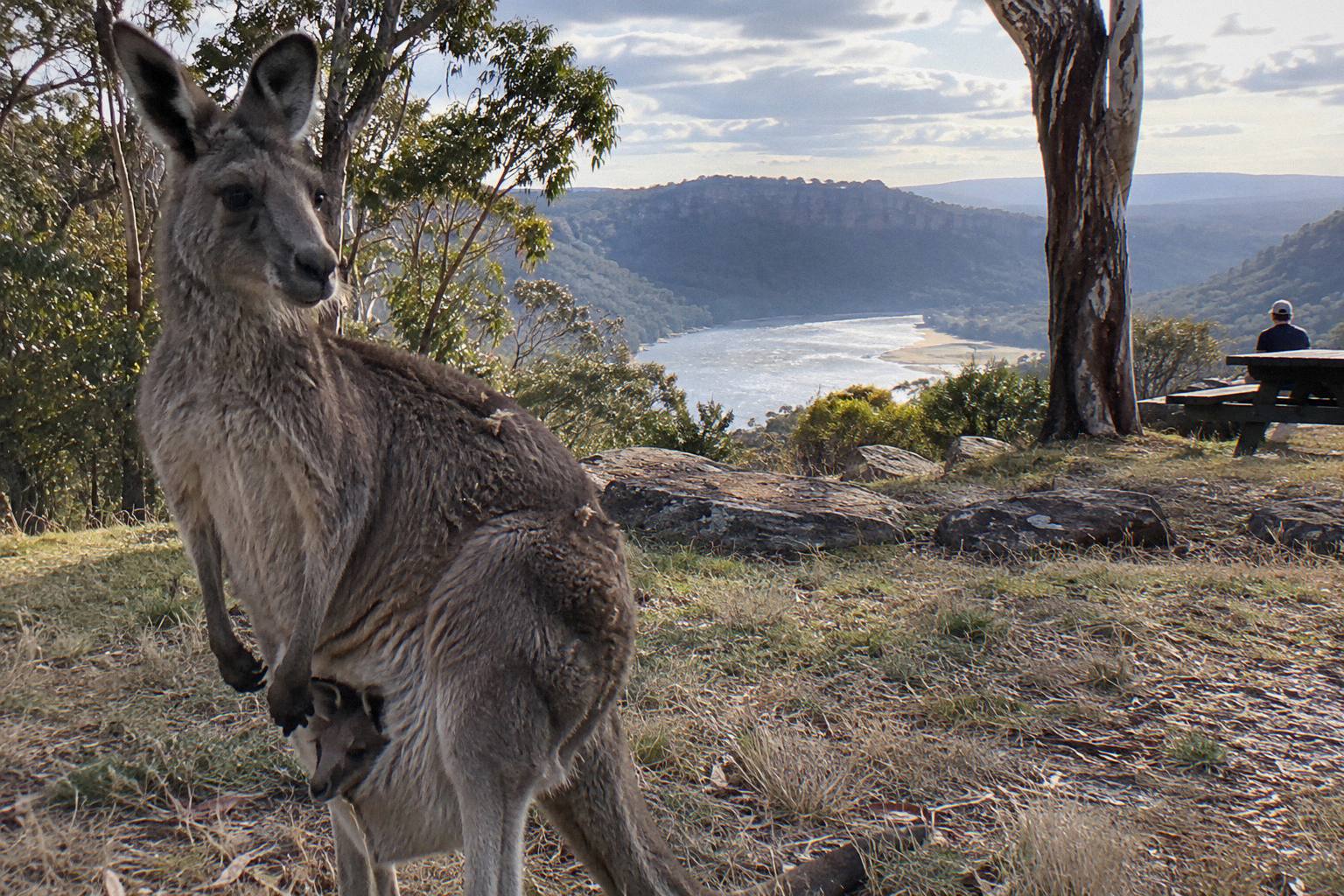
Season and time of day do more for your hit rate than any itinerary choice. Kangaroos graze most actively around dawn and dusk, which is exactly why the sunset tour ends with a twilight spread at a viewpoint, and why the wild-itinerary days schedule their clearing stops late rather than at midday. The guide to the best time of day to spot wildlife near Sydney covers the pattern. Winter brings kangaroos out into the sun during the day; summer pushes them into shade by mid-morning. No season guarantees anything, but a dawn or dusk plan in any season beats a noon one.
One last planning note for readers weighing a whole wildlife week: Sydney Wildlife Tours covers the neighbouring questions too, including where to see koalas near Sydney and whether you can see wombats on a day tour. Pairing a wild kangaroo day with a park koala day gives you the two flagship species with the risk spread across both formats.
To recap the map: within day-tour range, wild kangaroo sightings are documented by tour booking pages at the Illawarra and Southern Highlands stops, at Kangaroo Valley, and at Booderee on the Jervis Bay coast, while the NSW National Parks and Wildlife Service names Murramarang National Park, near Batemans Bay, for wild eastern grey kangaroos. Park encounters at Featherdale and the Australian Reptile Park are near-certain and family-friendly. Whichever you choose, never feed a wild animal, book with the free 24-hour cancellation where it is offered, and let the operator's booking page give you the current price for your date.
Common Questions About Seeing Wild Kangaroos Near Sydney
Where To See Kangaroos Near Sydney?
Officially, the National Parks and Wildlife Service names eastern grey kangaroos at Murramarang National Park near Batemans Bay. Within day-tour range, tour booking pages name wild kangaroo stops at Budderoo and Kangaroo Valley on Illawarra and Southern Highlands days, and at Booderee National Park on the Jervis Bay coast. No official Sydney-area kangaroo spot list exists.
Are There Kangaroos In The Blue Mountains?
The Blue Mountains National Park page names no kangaroo, koala or wombat; its only animal mention is a captioned rock wallaby. Kangaroos live across the wider region, but no official wildlife source names a Blue Mountains viewing spot, and no tour promises one there.
Can I Feed Wild Kangaroos?
No. The parks service says never feed wildlife in a national park without the park manager's permission, that feeding native animals can harm them, and that it promotes scavenging behaviour and can make them sick, demanding and aggressive. Feeding with a park's own food at Featherdale or the Australian Reptile Park is a separate, managed thing.
Is A Kangaroo Sighting Guaranteed On A Tour?
Never. Wild animals are not scheduled, and every operator's booking page says sightings are nature-dependent. What a tour gives you is the right habitat at the right time of day with a guide who knows where mobs graze, which sharply improves your odds without promising an outcome.
What Is The Best Tour For Wild Kangaroos From Sydney?
Three days name wild kangaroo stops: the Wild Wombats And Kangaroo Experience, with optional Budderoo and Morton stops; the Wombat And Kangaroo Wildlife Tour through Kangaroo Valley; and the Jervis Bay Dolphins, Kangaroos And Beach Day at Booderee. None has a printed rating, so compare them on itinerary, duration and inclusions rather than reviews.
Are Kangaroos Dangerous?
Wild kangaroos are large, powerful animals and should be observed from a distance, never approached, cornered or fed. The parks service's wildlife encounter guidance exists precisely because close human contact changes their behaviour. Guided tours manage this by viewing from tracks and clearings with a guide present.