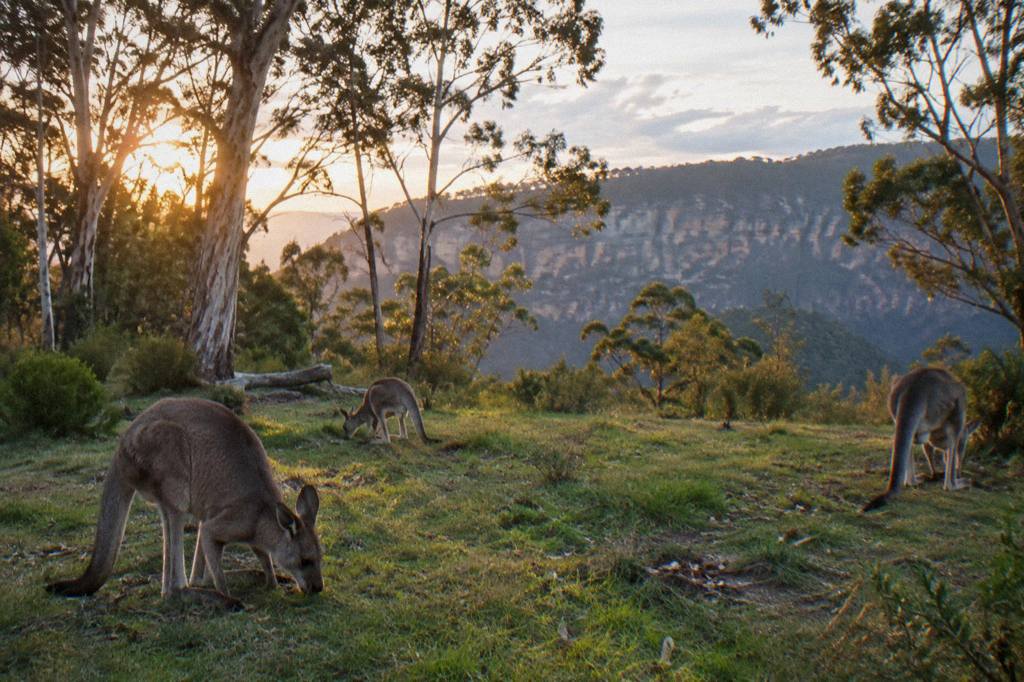
Best Time Of Day To Spot Wildlife On Blue Mountains And Royal National Park Tours?
What tour schedules, whale season and itinerary design actually tell you about the best time of day to see wildlife on tours from Sydney.
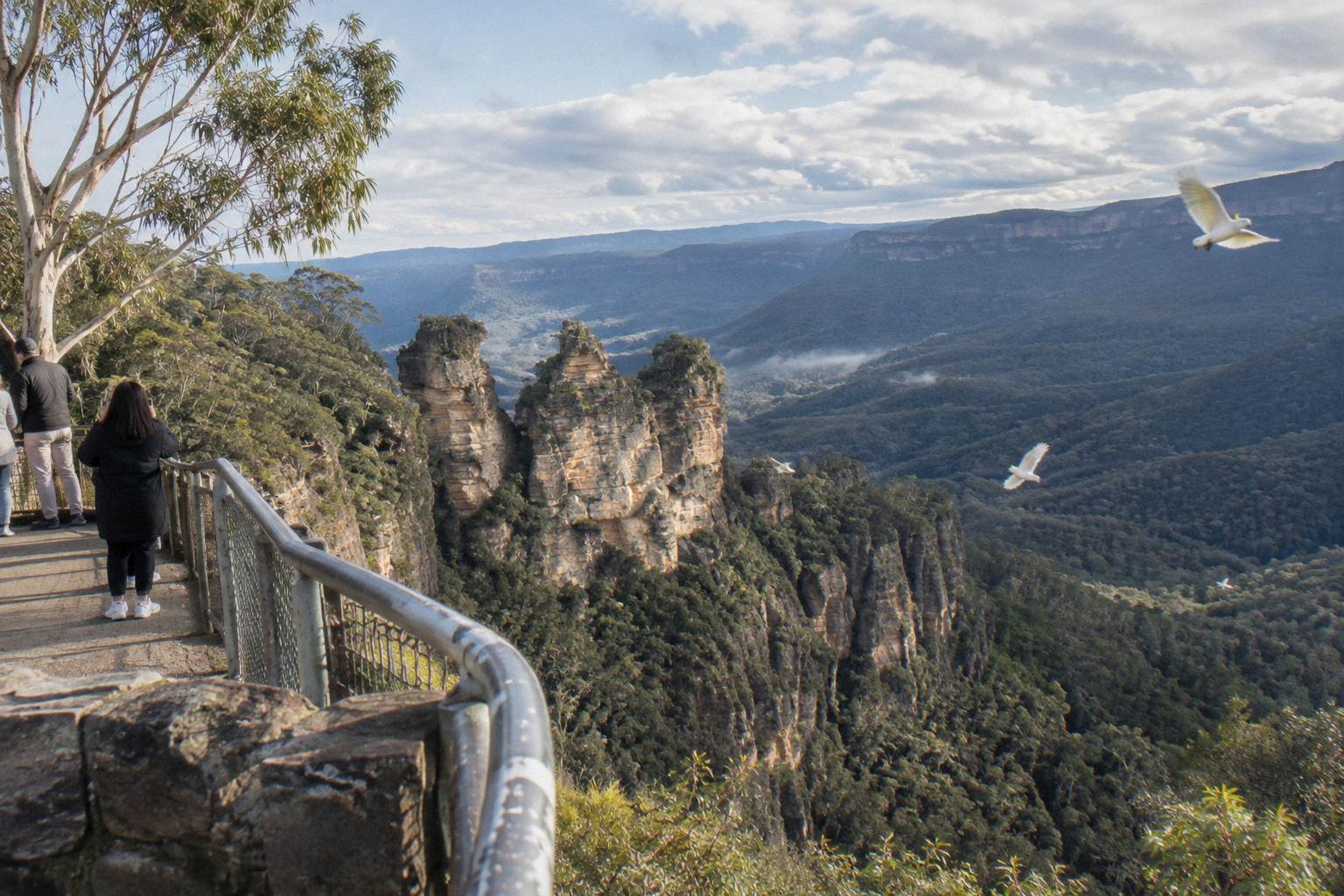
There is no published best hour. Neither the National Parks and Wildlife Service nor any tour operator states a best time of day to spot kangaroos, wombats or koalas near Sydney; that figure is not published, so ask the operator directly. What you can control is season, itinerary and schedule: whale cruises run May to November, one Blue Mountains day deliberately starts late for a twilight finish, and another runs into stargazing after dinner. Choosing by itinerary beats choosing by a claimed golden hour, because the itineraries are published facts and the golden hour claims are not.
Every wildlife day tour from Sydney runs to a schedule the operator sets, not to a clock you pick. That sounds limiting, but it actually simplifies the decision: instead of guessing whether kangaroos prefer 7am or 5pm, you compare what each day actually contains, how long it runs, and where in the daylight it places you. The booking pages list itineraries stop by stop, and those stop times are the only timing evidence a reader can verify before paying.
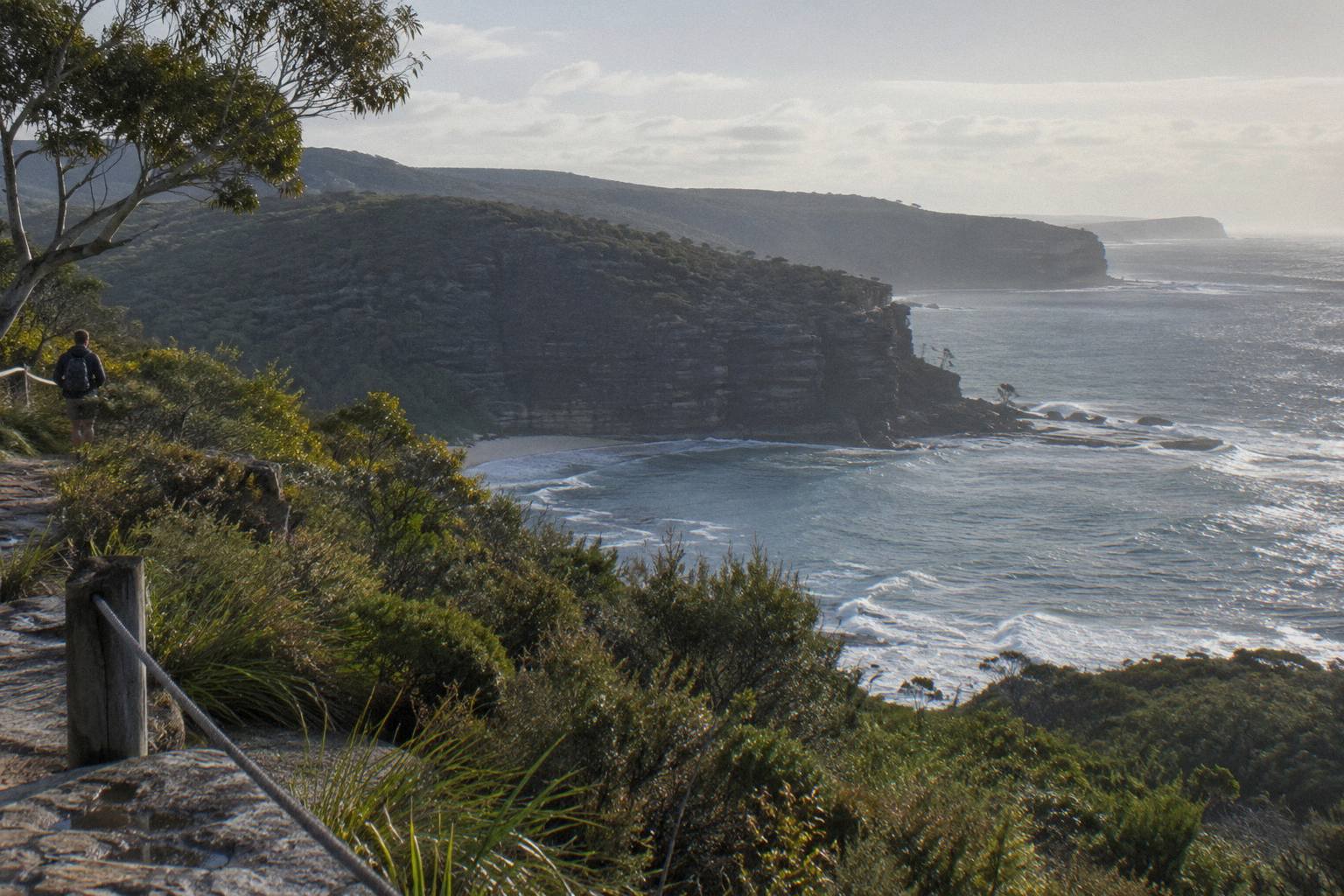
The distinction matters most on the two park days named in this question. A Blue Mountains tour is a long day built around lookouts, bushwalks and, on some versions, a wildlife park stop; a Royal National Park stop is usually a brief pass-through on the way south toward Jervis Bay, as on the 12-hour Jervis Bay Dolphins, Kangaroos And Beach Day, which spends 20 minutes in the Royal on a three-hour drive south. Neither page promises an animal at an hour. What they publish is the shape of the day, and that shape is where the real timing decisions live.
For a broader side-by-side of routes and inclusions, the compared wildlife day trips from Sydney breaks down the full range rather than just the timing angle.
Is There A Best Hour, Or Only A Best Itinerary?
Only a best itinerary, on the evidence available. No official NSW source and no booking page states that kangaroos, wombats or koalas are more visible at dawn, dusk or any other hour, and none will be invented here. The practical substitute is real: compare what each tour's published schedule places in early morning, midday and evening light, and ask the booking desk the timing questions listed further down. An itinerary you can read beats an hour nobody will put on record.
This is worth stating plainly once, because the internet is full of confident dawn-and-dusk claims about Australian wildlife. For the parks in this question, the official pages do not make them. The Blue Mountains National Park page mentions a rock wallaby in a photo caption and notes wildlife spotting at remote four-wheel-drive sites at night; it names no kangaroo, koala or wombat and no viewing hour. Ku-ring-gai Chase National Park guided-walk pages mention wallabies, again without an hour. The strongest official kangaroo statement in the research sits in Murramarang National Park, near Batemans Bay on the south coast. None of it translates into "go at dawn."
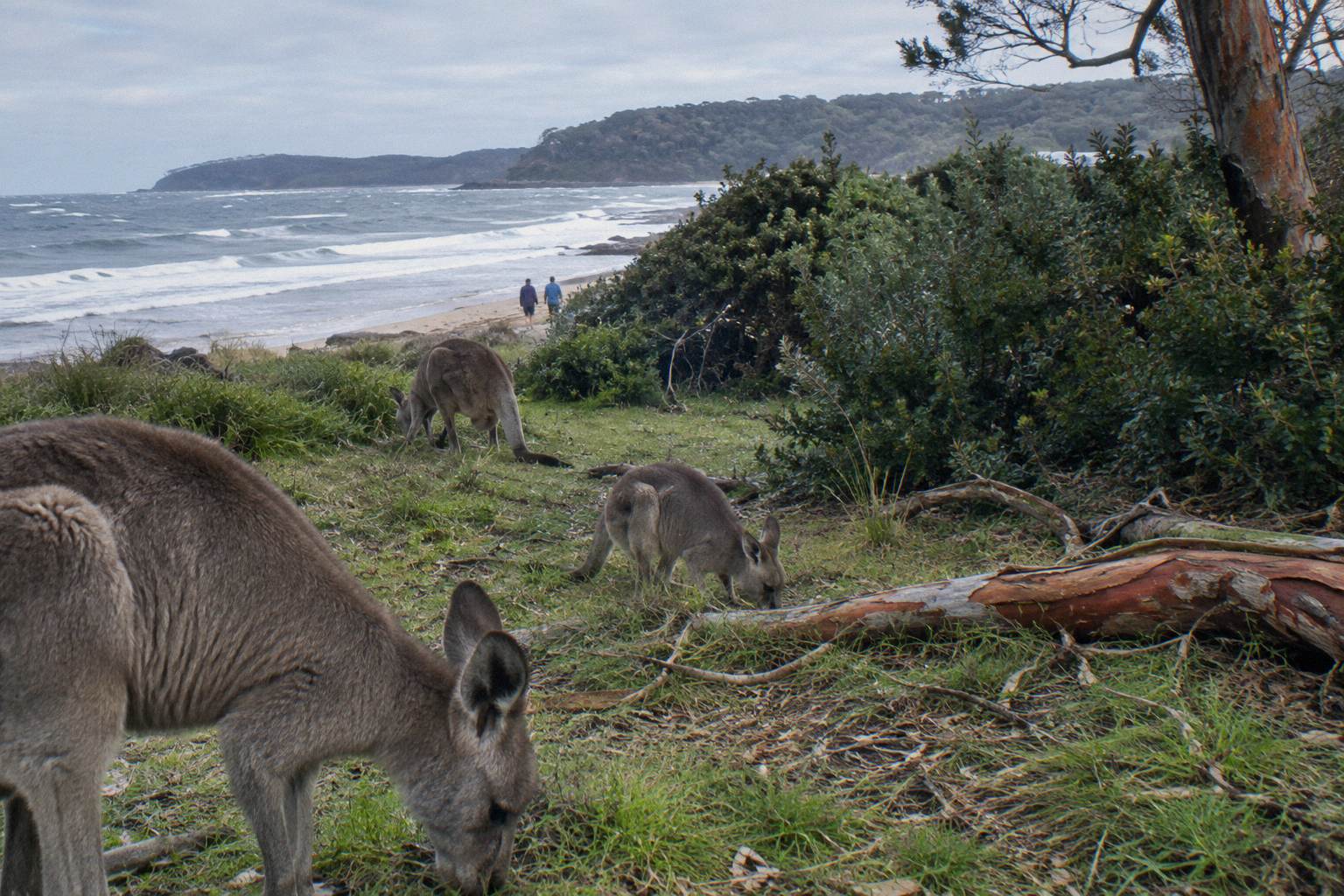
What the tour pages do say is where wild animals are looked for. The Wild Wombats And Kangaroo Experience's booking page describes wild wombats and kangaroos across two national parks, with stops at Budderoo National Park and an optional Morton National Park visit, plus stargazing after dinner; the operator calls it all-inclusive, and the page never promises a sighting. The Jervis Bay Dolphins, Kangaroos And Beach Day includes Booderee National Park entry, which its booking page ties to wild kangaroo encounters at Cave Beach. These are what the pages say: places where the day is designed around wildlife, not hours where wildlife is guaranteed.
So the clear framing for a reader choosing between a Blue Mountains day and a Royal-adjacent day is this: pick the itinerary whose wildlife moments are longest and most central to the day, in the season you are travelling, and let the operator's schedule handle the clock. If the clock itself matters to you, whether because you travel with small children or hate early starts, the sections below sort the tours by what is actually published.
Wondering whether the wombats day justifies its long runtime? Whether you can see wombats on a day tour from Sydney covers that question directly.
What Does Whale Season Tell You About Timing?
Whale watching near Sydney runs May to November, and within that window the migration has a shape: humpback and southern right whales head north through June and into July, then return south from around September to November, with a mid-year peak. The National Parks and Wildlife Service says you can see whales during the annual migration from May to November every year. For a cruise, the month matters far more than the hour, and no source here claims a better time of day.
That single season window is the strongest timing fact, and it comes from the official source: NPWS's top whale watching spots guide. It is also a hard constraint on planning. The Captain Cook 2.5 Hour Whale Watching Cruise, rated 4.3 from 364 reviews, is a 2.5-hour harbour cruise that leaves Circular Quay Wharf 6, and it exists inside that May-to-November season; outside it, the question of best hour is moot because the boats are not chasing whales. Sightings are nature-dependent and vary from cruise to cruise, which is exactly why no operator or publisher will sell you an hour.
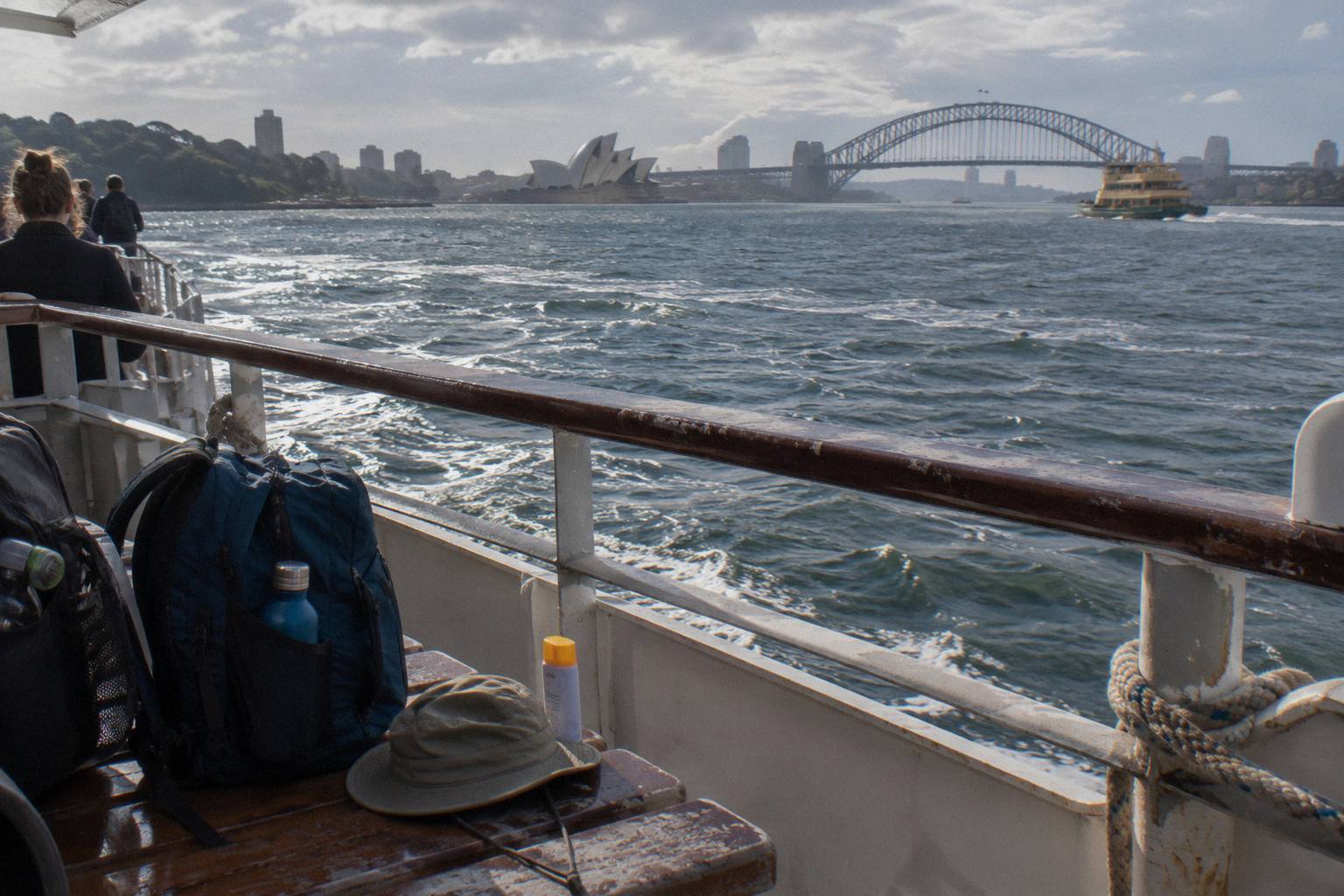
Day of the week and departure slot still matter for comfort, if not for whales. The cruise lists an indoor all-weather lounge and outdoor viewing areas, runs subject to weather, and warns that sea motion may affect some guests on open water; the guide on whether whale watching makes you seasick works through that trade-off. If your question is really "which departure should I book within the season," the answer is the one you can rebook or the one with the weather you can sit out indoors, not a claimed whale-friendly hour.
Land lookouts give you the other half of the season equation. The same NPWS guide names Cape Solander in Kamay Botany Bay National Park, plus Fairfax Walk, North Head, South Head, Hornby Lighthouse and Arabanoo lookout at Dobroyd Head in Sydney Harbour National Park, and, relevant to the Royal National Park, The Coast track, Governor Game lookout and the Curra Moors loop in the Royal National Park. A lookout costs nothing but fuel and patience, which makes it a useful warm-up or fallback around any booked day. The Sydney whale watching season guide goes deeper on the months.
Which Tours Deliberately Schedule Around Light?
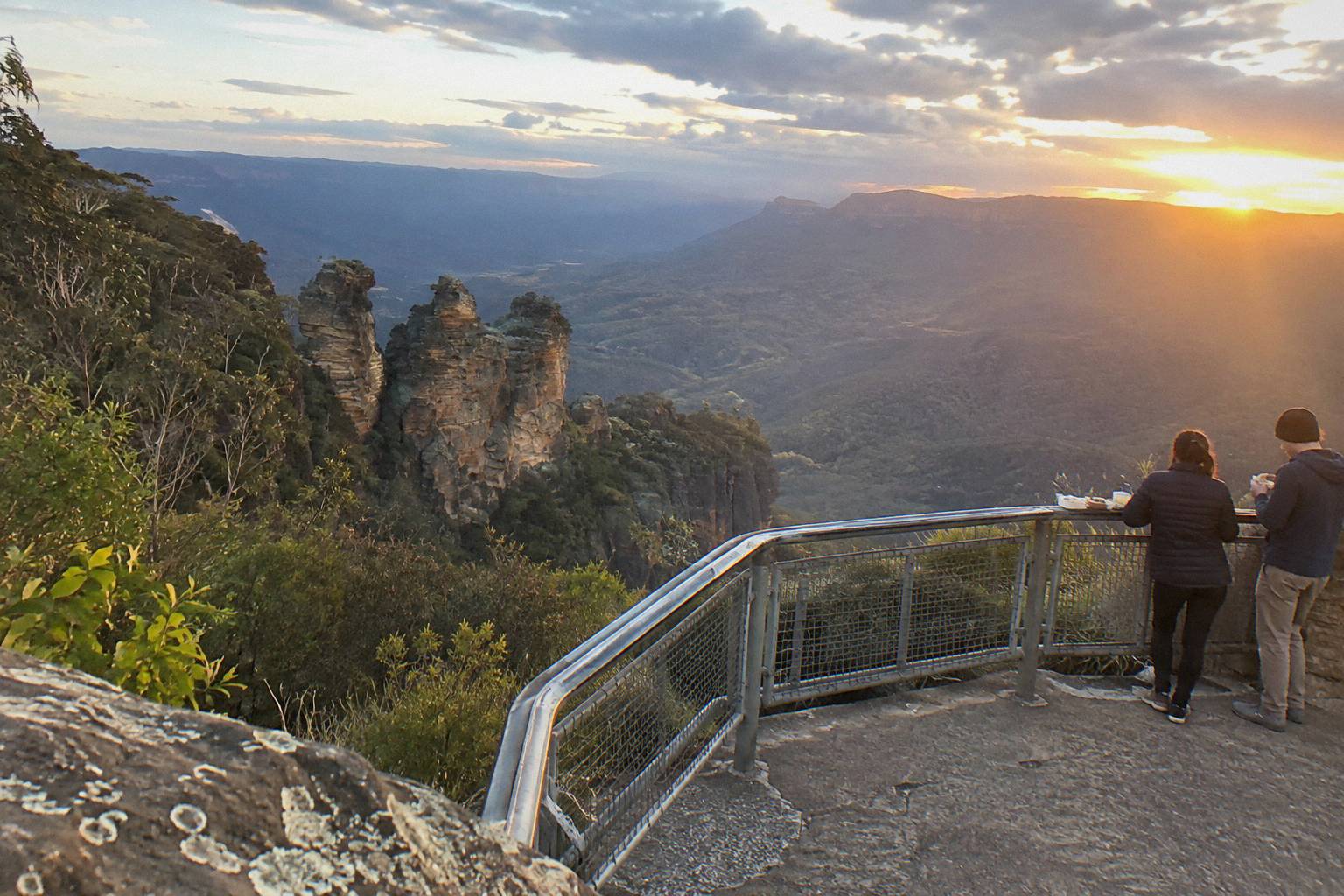
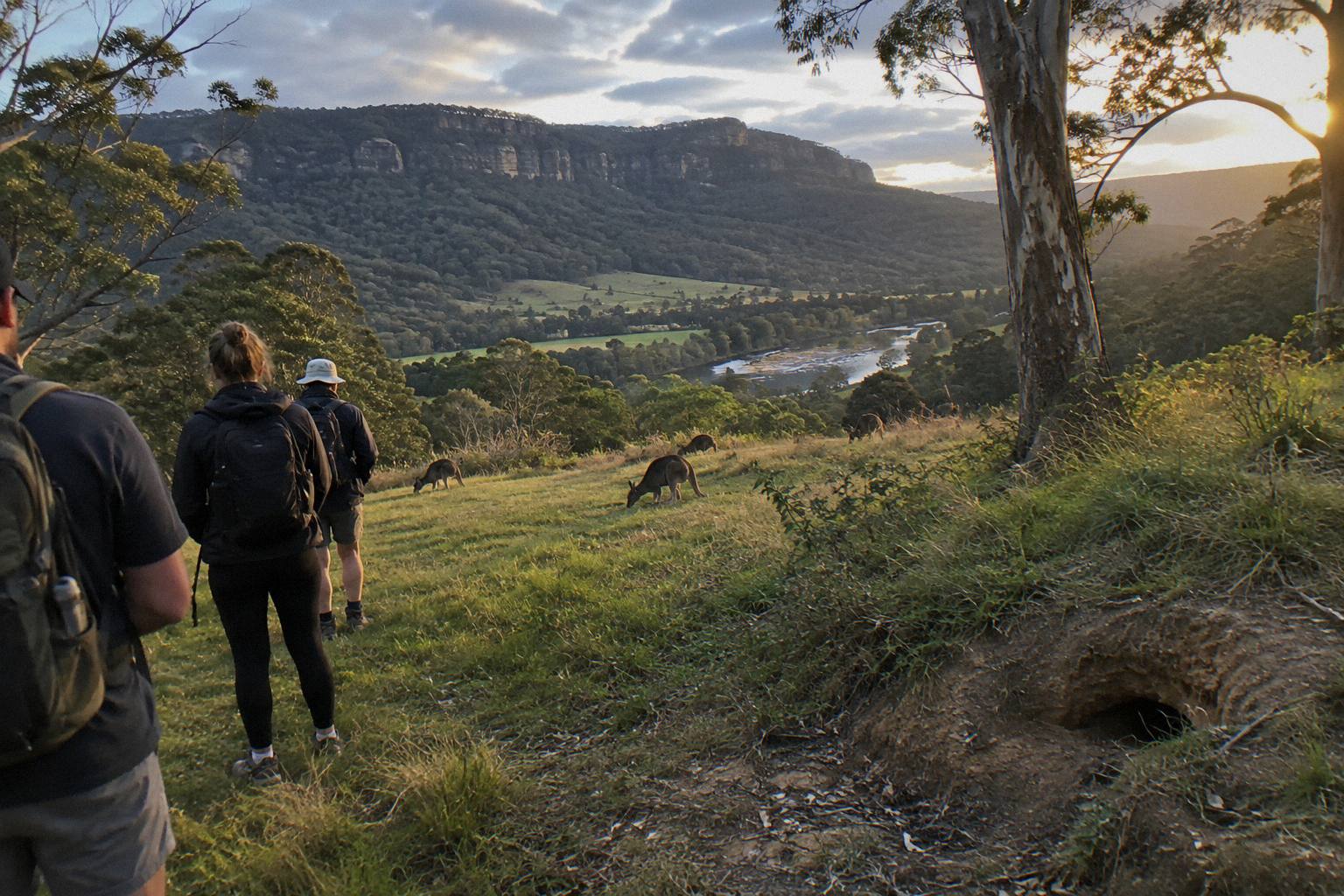
Two days among these tours are built around the ends of the daylight, and both say so on the booking page. The Blue Mountains Wild Kangaroos And Sunset Day Tour has a late start, mid to late morning depending on season, and ends with a twilight cheese and wine spread at a sunset lookout; the Wild Wombats day finishes with stargazing after dinner at a historical pub. These are the closest things to a published timing strategy anywhere in the line-up, and neither claims an animal at an hour.
The sunset tour is the clearest example. FeelGood! Nature Tours runs it as a small group of up to 10, about 10 hours, rated 4.9 from 205 reviews, with a minimum age of 12. The late start is the whole point: instead of a pre-dawn pickup, the day runs into evening light at Govetts Leap lookout and a secret sunset stop with Shiraz, Brie, Danish creamy blue cheese, crackers and Australian sweets. A pie lunch from Mountain High Pies, an award-winning Blue Mountains bakery with vegetarian, vegan and gluten-free options, is included. Bottled water is not. It is a bushwalking day with uneven ground and stairs, harder and easier options at several points, and feeding animals is on the not-allowed list, in line with the NPWS rule to never feed wildlife in a national park without the park manager's permission.
The wombats day uses the opposite end of the clock. It runs about 11 hours with round-trip transport from Sydney, national park fees, a guide, and dinner at a restaurant in a historical pub, with lunch included only on departures before 12 PM; there is no lunch on departures at 12 PM or later. The booking page describes wild wombats and kangaroos, waterfalls, viewpoints and stargazing, and pickup times are confirmed by message the day before, always later than the time shown at booking. That last detail deserves emphasis: on this tour the printed start time is not the real start time, so build slack into your morning rather than trust the listing clock.
Neither page says animals appear at dusk or after dark. What they publish is light and time-of-day structure: one buys you a sunset, the other a night sky.
How Long Does Each Tour Actually Run?
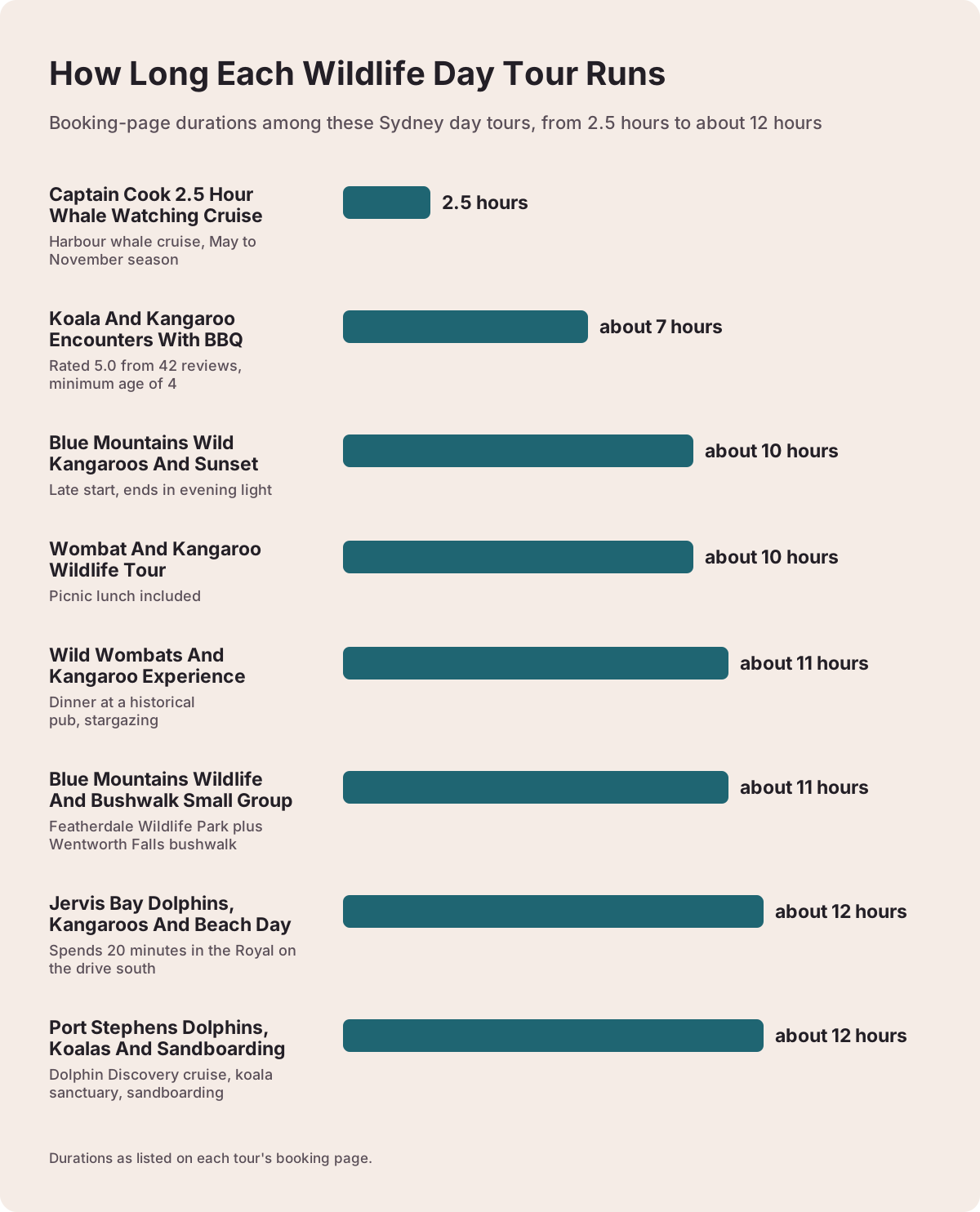
Day lengths among these tours run from 2.5 hours to about 12, and the length constrains the timing more than any light theory: a 7-hour day cannot contain a sunset in winter, and a 12-hour day leaves you little evening in Sydney. Every figure below is the booking page's own duration, not an estimate. Match the runtime to your energy and your daylight, and the time-of-day question largely answers itself.
| Tour | Duration on the booking page | What the day is built around |
|---|---|---|
| Captain Cook 2.5 Hour Whale Watching Cruise | 2.5 hours | Harbour whale cruise, May to November season |
| Koala And Kangaroo Encounters With BBQ | about 7 hours | Australian Reptile Park koala and kangaroo encounters plus BBQ lunch |
| Blue Mountains Wild Kangaroos And Sunset Day Tour, Late Start | about 10 hours | Blue Mountains bushwalks ending in a twilight spread |
| Wombat And Kangaroo Wildlife Tour | about 10 hours | Waterfalls and Kangaroo Valley, picnic lunch included |
| Wild Wombats And Kangaroo Experience | about 11 hours | Two national parks, dinner at a historical pub, stargazing |
| Blue Mountains Wildlife And Bushwalk Small Group | about 11 hours | Featherdale Wildlife Park plus a guided Wentworth Falls bushwalk |
| Jervis Bay With Beaches, Koalas And Kangaroos | about 11 hours | Symbio Wildlife Park, Huskisson and Hyams Beach |
| Jervis Bay Dolphins, Kangaroos And Beach Day | about 12 hours | Dolphin cruise, Booderee kangaroos, White Sands Trail |
| Jervis Bay Dolphin Cruise Day Tour | about 12 hours | Dolphin cruise with lunch at Jervis Bay Wharf Restaurant |
| Port Stephens Dolphins, Koalas And Sandboarding Day Trip | about 12 hours | Dolphin Discovery cruise, koala sanctuary, sandboarding |
Runtime interacts with season in a way the tables of a tour listing never spell out. A 10 or 11-hour day in November ends in daylight; the same day in June ends in the dark, which is exactly why the sunset tour's start shifts with the season and why the wombats day can offer stargazing at all. If seeing the mountains or the coast in evening light is your goal, a long day plus a winter or shoulder-season date is the combination that delivers it. Never say "all day" for the 2.5-hour cruise; it is a short harbour outing and should be planned as one. Everything else covered here is indexed on Sydney Wildlife Tours.
The short options earn their place too. The Koala And Kangaroo Encounters With BBQ day, rated 5.0 from 42 reviews, runs about 7 hours with a minimum age of 4, meets at Woolloomooloo and involves about 800 metres of easy walking. It is the most family-friendly wildlife timing: a close-up koala meeting with photos, a kangaroo encounter with kangaroo food, and an all-you-can-eat BBQ lunch, all inside school-friendly hours. The koala is met and photographed, never held; you cannot hold koalas in New South Wales, as the piece on whether you can hold a koala in NSW explains in full.
How long a day you can realistically handle is its own question, and how long a wildlife day tour from Sydney runs covers the fatigue and meal math rather than repeating it here.
How Do You Pick A Start Time By Traveller Type?
Work backwards from who is travelling, not from the animals. Families with young children have one genuinely published constraint, minimum ages of 4, 5, 6 or 12 depending on the tour; slow starters should target the one late-start day; wildlife-first travellers should weight the days with the most wildlife-dedicated stops; and anyone bound to a ship or a tight flight should stay with the 2.5-hour cruise. Every constraint below is printed on a booking page, not inferred.
| If you are... | Timing logic | Tours that fit the published constraints |
|---|---|---|
| A family with children under 12 | Minimum ages rule tours out before hours do | Koala And Kangaroo Encounters With BBQ (age 4, about 7 hours); Blue Mountains Wildlife And Bushwalk (age 5); Jervis Bay With Beaches, Koalas And Kangaroos (age 6) |
| A slow starter | Only one tour day starts deliberately late | Blue Mountains Wild Kangaroos And Sunset Day Tour, Late Start (age 12, small group of up to 10) |
| Short on time or tied to a ship | Keep the day short and city-based | Captain Cook 2.5 Hour Whale Watching Cruise (2.5 hours, Circular Quay Wharf 6, May to November) |
| Wildlife first, scenery second | Weight the days whose stops are wildlife stops | Wild Wombats day (two parks, stargazing); Jervis Bay Dolphins, Kangaroos And Beach Day (Booderee entry, dolphin cruise) |
| A photographer | Long light windows and small groups beat early alarms | The sunset day (up to 10, twilight stop); the Jervis Bay dolphins day (photo assistance is listed) |
Two cautions apply to the table. First, families with children aged 3 and up are welcome on the Jervis Bay Dolphins, Kangaroos And Beach Day per its booking page, with infants on laps, but the day is about 12 hours with a moderate-fitness walking component and it is not wheelchair accessible; a 3-year-old who can walk, or be carried, is a different proposition from a 7-year-old on the BBQ day. Second, guests under 18 on the sunset tour must travel with an adult, and the 12-and-over minimum is firm on the booking page, so it is not a family-with-toddlers option at any hour.
The wildlife-first row deserves one footnote. The Jervis Bay days differ from each other more than their names suggest, and they are separate products: the Dolphins, Kangaroos And Beach Day pairs a 1.5-hour dolphin cruise with Booderee National Park entry for wild kangaroo encounters, while the Dolphin Cruise Day Tour is a second-booking-page product whose listing centres on the cruise, lunch at Jervis Bay Wharf Restaurant and a hot donut at the Berry donut van. Neither promises a dolphin count or a guaranteed sighting. The Jervis Bay dolphin and whale cruise guide separates them in more detail.
What Should You Ask The Booking Desk Before You Book?
Five questions, all answerable in a two-minute message, replace every golden-hour claim: what the confirmed pickup time is, how long each wildlife stop gets, whether the day ends in daylight, what the season does to the schedule, and what happens if weather or the animals do not cooperate. Operators answer these because they are facts they control; they cannot answer "what time do the kangaroos come out," and any operator who does answer it with a number is guessing.
Ask for the confirmed pickup time and where it falls against the listing time. One operator, the Wild Wombats day, states outright that exact pickup times are confirmed the day before and always run later than the booked time; on the sunset day, the start is mid to late morning depending on season. Knowing the real start time protects your morning and your transport plan. Ask how long the wildlife stops get: 45 minutes at Booderee, 75 minutes at Featherdale on the bushwalk day, 70-plus minutes at the Australian Reptile Park on the BBQ day are published figures, and minutes on the ground are the only sighting variable you can compare before paying.
Ask about daylight at both ends. Does the day end before dark, or does it run into twilight, sunset or stargazing, and what does that look like in the month you are travelling? A 10-hour day means very different things in June and November. Ask what the schedule does in your season, since the whale window is May to November and the sunset tour's start already shifts with the seasons. Finally, ask the cancellation and weather question: most tours offer free cancellation up to 24 hours before, but check the specific listing, because at least one second-page product does not state a cancellation policy at all.
If money is part of the decision, no price appears by design: the price is shown on the booking page when you pick a date, and it is driven by duration, inclusions such as lunch, dinner or park entries, group size and pickup. The guide to what wildlife tours from Sydney cost explains those levers rather than quoting numbers that change.
These three days each answer the timing question differently, and the listings carry the current schedules and dates:
Common Questions About Tour Timing For Wildlife
Best Time Of Day To Spot Wildlife On Blue Mountains And Royal National Park Tours?
No best hour is published by any official source or operator. Choose by itinerary and season instead: whale cruises run May to November, one Blue Mountains day starts late for a sunset finish, and the Wild Wombats day runs into stargazing. Ask the operator about timing before you book, since schedules, not animal clocks, are what they control.
Are Kangaroos More Active At Dawn Or Dusk Near Sydney?
No official NSW source makes that claim for the parks on these tours, and none is invented here. What is published is where kangaroos are looked for: the booking pages describe wild kangaroos at Budderoo and Kangaroo Valley stops and at Booderee National Park's Cave Beach on the Jervis Bay day, always as encounters the day is built around, never guaranteed sightings.
Does The Late-Start Blue Mountains Tour End At Sunset?
Yes, by design. The Blue Mountains Wild Kangaroos And Sunset Day Tour starts mid to late morning depending on season and finishes with a twilight cheese and wine spread at a lookout, rated 4.9 from 205 reviews. The start time shifts with the seasons precisely so the day lands in evening light.
When Can You See Whales On A Sydney Cruise?
May to November, per the National Parks and Wildlife Service. Humpback and southern right whales pass north through June and into July and return south from around September to November. The 2.5-hour Captain Cook cruise from Circular Quay Wharf 6 operates inside that window, and sightings on any cruise are nature-dependent.
Do Any Tours Run At Night?
One runs into the night: the Wild Wombats And Kangaroo Experience, about 11 hours, includes dinner at a restaurant in a historical pub and stargazing before the drive back to Sydney. The Blue Mountains National Park page also mentions wildlife spotting at remote four-wheel-drive sites at night, though no day tour offers that.
Which Tour Timing Suits Families With Young Children?
The Koala And Kangaroo Encounters With BBQ day has the lowest minimum age, 4, and the shortest full-day runtime at about 7 hours, with a close-up koala meeting, a kangaroo encounter and an all-you-can-eat BBQ lunch. The Jervis Bay dolphins day welcomes families with children aged 3 and up, but runs about 12 hours with moderate walking.