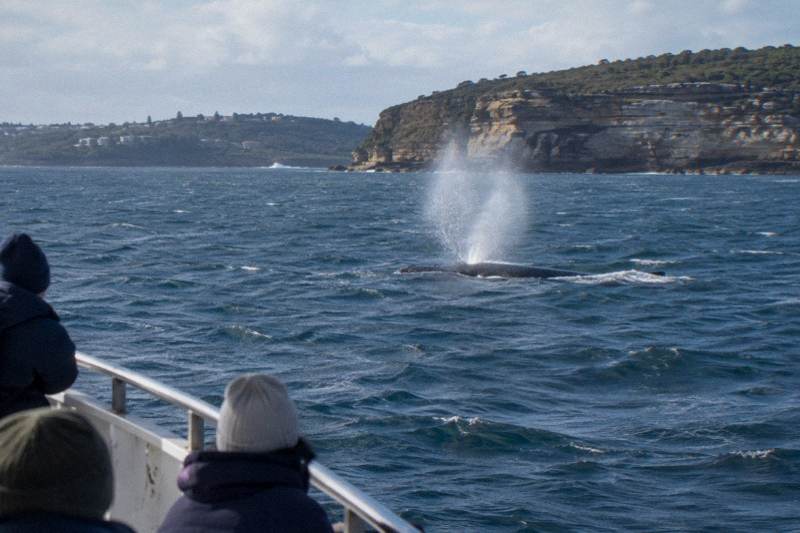
Whale Watching Cruises In Sydney: How To Choose A Trip
Sydney whale watching cruises all chase the same migration between May and November, but they differ sharply in format, duration and what is included. Here is how the harbour cruise, the speed-boat trip and the dolphin day trips stack up.
Short answer
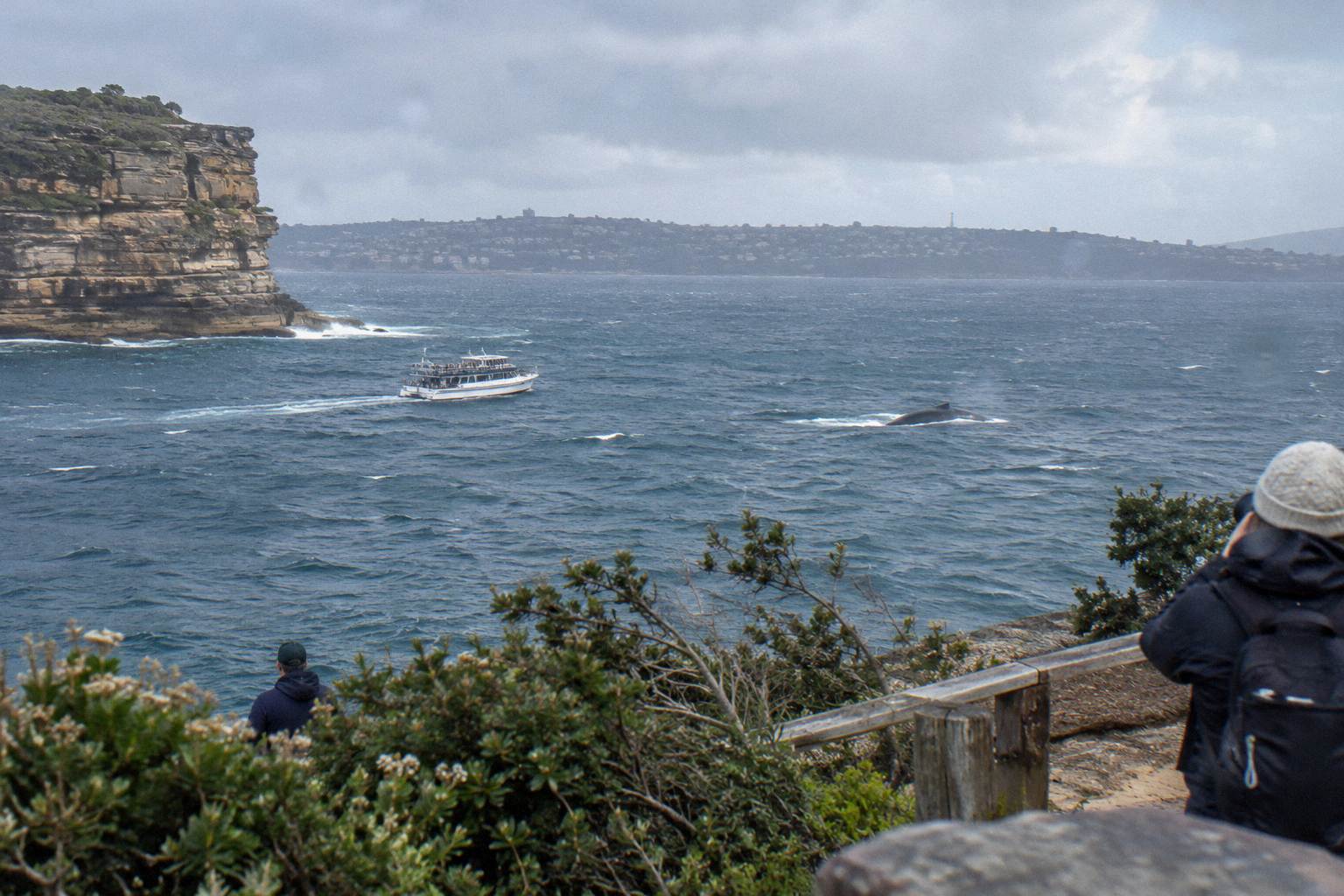
Sydney whale watching cruises run from May to November, when humpback and southern right whales migrate along the NSW coast. The main harbour cruise is the Captain Cook 2.5-hour trip from Circular Quay Wharf 6, rated 4.3 from 364 reviews. A speed-boat format and Port Stephens dolphin day trips offer faster or full-day alternatives.
Whales pass Sydney every year between May and November, and a surprising number of trips let you go out and meet the migration. The choice is not simply "which boat", it is which format: a 2.5-hour harbour cruise, an open-ocean speed-boat run, or a full-day coach trip that swaps whales for dolphins and adds koalas and sand dunes. Each one answers a different question about how you want to spend a day.
The comparison below covers the whale watching cruises you can book from Sydney, using only what the booking pages and the National Parks and Wildlife Service actually state. It covers the season, the rules that govern how close boats may go, what each trip includes, and the real limits of what any operator can promise about sightings. If you want the broader seasonal picture first, start with the guide to the Sydney whale watching season month by month.
What Are Your Options For Whale Watching In Sydney?
There are three realistic formats: a 2.5-hour whale watching cruise from Circular Quay, a speed-boat whale watching trip on a separate booking page, and full-day dolphin-focused coach trips to Port Stephens or Jervis Bay that include a boat cruise plus wildlife parks or beaches. The only one with a printed rating is the Captain Cook cruise at 4.3 from 364 reviews.
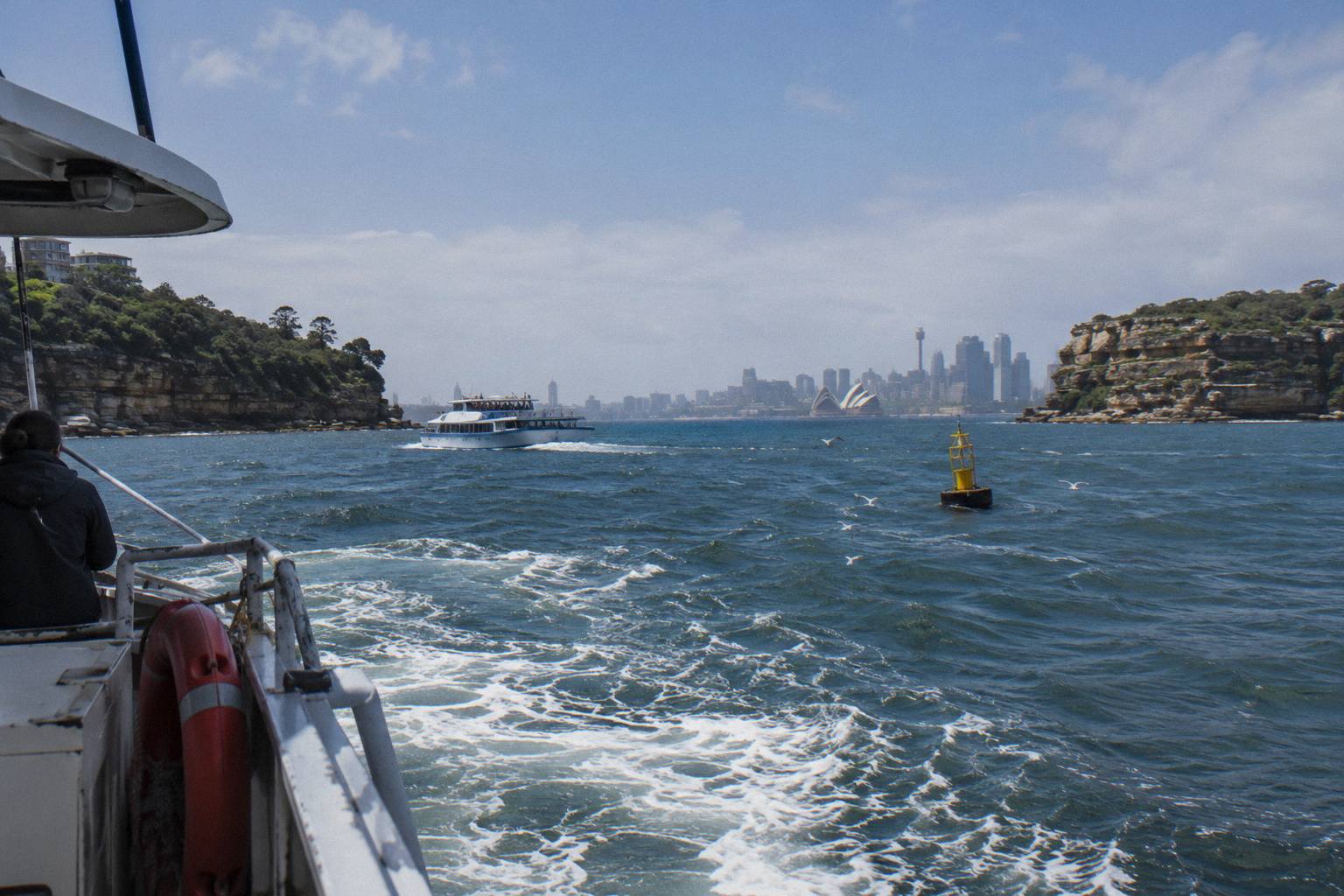
The harbour cruise is the classic choice. Captain Cook Cruises runs a 2.5-hour whale watching trip that leaves from Circular Quay Wharf 6 and returns to the same wharf. The booking page lists expert commentary throughout, an indoor all-weather lounge and outdoor viewing areas, with the chance to spot whales, dolphins, seals, albatross and other marine life. Food, drinks and hotel transfers are not included, so it is a lean, focused trip: you board near the Opera House, ride out past the heads and come back within the morning or afternoon.
The speed-boat option is a different animal entirely. Ocean Extreme runs a speed-boat whale watching trip, listed on a separate booking page, and the facts available for it are deliberately thin: no duration, capacity or rating is stated, so the format is the selling point. It appeals to travellers who want a faster, smaller, wetter ride than a 2.5-hour lounge-equipped cruise can offer.
The third path is the day trip. Port Stephens sits a few hours north by coach, and full-day trips there pair a dolphin cruise with a koala sanctuary visit and sandboarding on the Stockton dunes. These are not whale watching cruises in the strict sense, but they are the natural comparison when a traveller is weighing one big boat day against another, and they come up constantly in the same searches. The overview of wildlife day trips from Sydney compared sets out the full field.
How Do The Cruise Options Compare?
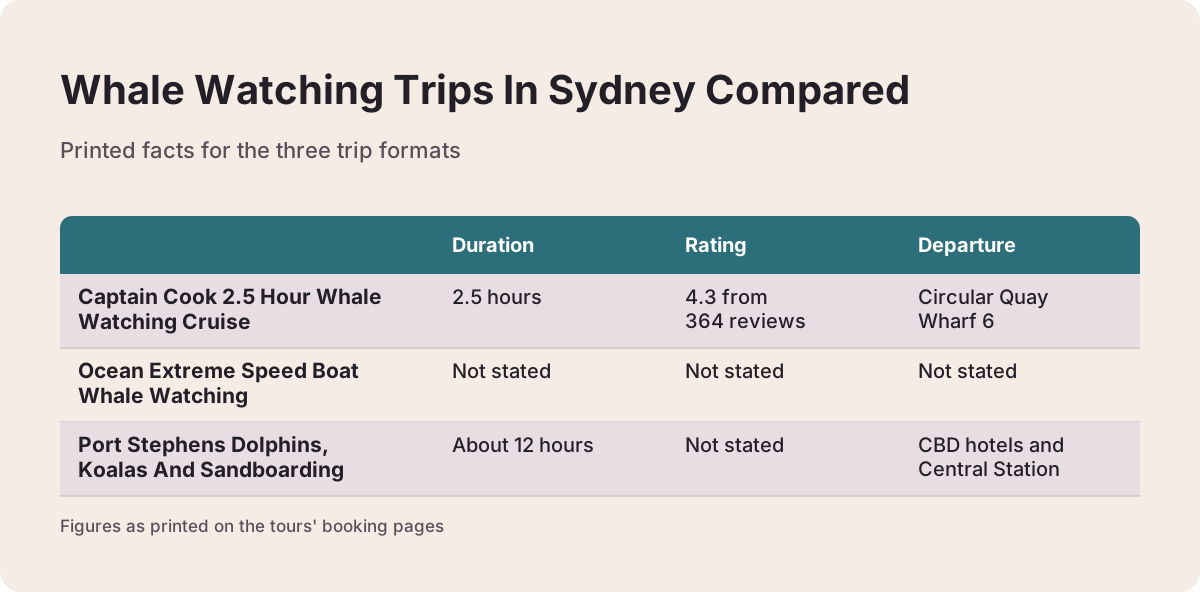
On printable facts, the comparison is lopsided but simple: the Captain Cook 2.5-hour cruise is the only whale watching trip with a rating, 4.3 from 364 reviews, running about 2.5 hours from Circular Quay Wharf 6 with free cancellation up to 24 hours before. The speed-boat trip states no duration, rating or capacity on its booking page. The Port Stephens day trip runs about 12 hours with coach pickup included.
The table below sticks to what the booking pages actually state. Where a cell says "not stated", that is exactly what it means: the figure is not printed on the listing, so nothing is printed rather than guessed.
| Trip | Format | Duration | Rating | Departure | Cancellation |
|---|---|---|---|---|---|
| Captain Cook 2.5 Hour Whale Watching Cruise | Harbour cruise with lounge and commentary | 2.5 hours | 4.3 from 364 reviews | Circular Quay Wharf 6 | Free up to 24 hours before |
| Ocean Extreme Speed Boat Whale Watching | Speed boat, separate booking page | Not stated | Not stated | Not stated | Check the terms on the booking page |
| Port Stephens Dolphins, Koalas And Sandboarding Day Trip | Coach day trip with 90-minute dolphin cruise | About 12 hours | Not stated | CBD hotels and Central Station | Free up to 24 hours before |
Notice what the table cannot tell you: prices. No tour page prints a price, because pricing on the listings moves with date, demand and format. The price appears on the booking page when you pick a date. What drives it is no secret though: duration is the biggest factor, then inclusions such as lunch, park entries and coach pickup, then group size. A 2.5-hour cruise with no meal will sit differently from a 12-hour day trip carrying park admissions and a 4WD dune excursion.
Group size matters more on the water than on land. The harbour cruise is a large-vessel experience with an indoor lounge; the speed-boat format is by definition small and exposed. Neither booking page prints a capacity for the whale trips, so if boat size is the deciding factor for you, the piece on small boat or large boat whale watching works through the trade-offs.
Between those three, most travellers land on the harbour cruise for a first whale trip: it is short, central, weather-flexible thanks to the indoor lounge, and it is the only one with a review record you can read. The speed boat suits confident riders who want proximity and pace. The Port Stephens day suits families and anyone who wants the day to be about more than one species.
When Can You Actually See Whales From A Sydney Cruise?
Whale watching cruises in Sydney run from May to November, the window the National Parks and Wildlife Service gives for the annual migration. Humpback and southern right whales head north for warmer waters throughout June and into July, then travel back south from around September to November, with a mid-year peak. No cruise runs outside that window.
That is the real shape of the season, and it is worth internalising before you book anything. Whales are not present off Sydney year round; the industry exists because two migrations, northbound and southbound, pass this coast within the same seven months. Booking a cruise in February means booking a boat ride, not a whale trip, and no operator listed here sells it as one.
The timing within the season changes what you are likely to see, though nothing is guaranteed. The northbound run early in the season tends to carry whales moving with purpose. The southern return later in the year often includes mothers travelling with calves, moving more slowly, which is why the approach rules below get stricter when a calf is nearby. Extra protections apply to southern right whales on top of that.
If you are planning around the season rather than around a boat, the detail is in the month-by-month guide to when whales pass Sydney, and the NPWS Wild About Whales pages track the migration officially. One useful nuance from those pages: the same lookouts that serve land-based watchers, like Cape Solander, are how rangers gauge when the migration has arrived in force.
The cruise you pick is less important than the week you pick. Every operator listed here is fishing the same migration, so a well-timed trip on any boat beats a poorly timed trip on the best boat.
How Close Do Whale Watching Boats Get To The Whales?
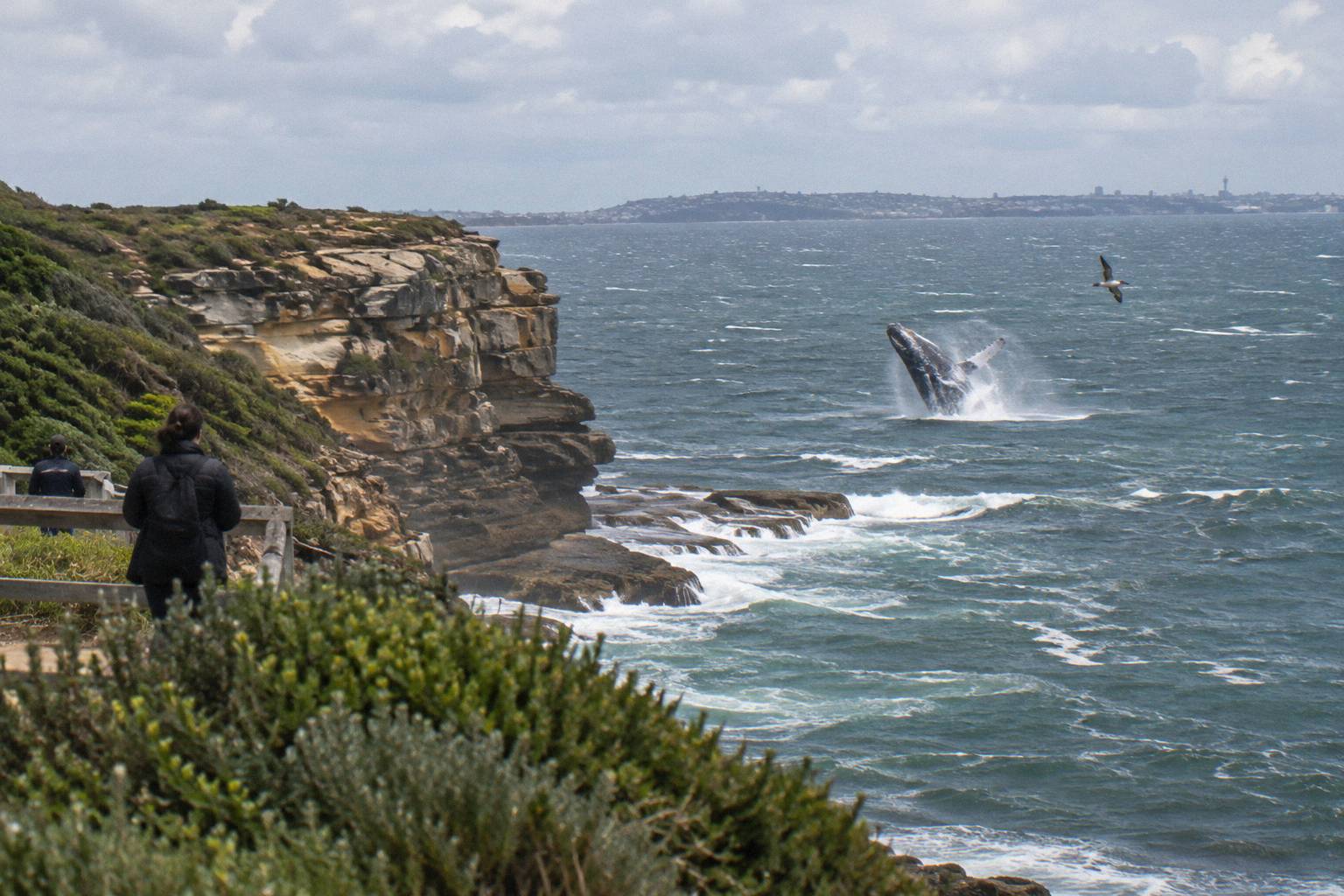
NSW rules set the distances licensed operators work to: vessels keep at least 100 m from a whale and 300 m when a calf is present, and at least 50 m from dolphins, 150 m with calves. Within 300 m of a whale, boats travel at a constant slow speed with minimal wash, and jet skis keep 300 m away from any whale, dolphin or dugong. These are rules, not promises about your trip.
That is the framework every cruise operates inside, and it is worth knowing because it shapes what "close" means on the water. A whale may swim toward a stationary boat of its own accord; the rules restrict what the boat does, not what the whale does. But no operator can promise a distance or an encounter, and the better operators say so plainly.
The full approach distances, including swimmer and aircraft rules, are published by NSW authorities on the environment.nsw.gov.au approach distances page and the NSW Government's marine mammal watching guidance. The practical takeaway for a cruise passenger is simpler: the boat will slow down well before it is near a whale, it will approach from the side rather than head-on, and if a calf is spotted the boat stays well back.
| Situation | Minimum distance for vessels |
|---|---|
| A whale, no calf | 100 m |
| A whale with a calf | 300 m |
| A dolphin or dugong, no calf | 50 m |
| A dolphin or dugong with calves | 150 m |
| Jet ski near any whale, dolphin or dugong | 300 m |
The Captain Cook booking page makes the matching point from the operator side: whale and wildlife sightings are nature-dependent and vary from cruise to cruise. Its product title carries an operator sighting-guarantee phrase, which is deliberately not repeated, because a guarantee in a headline is a marketing claim, not a rule of nature. What you can rely on is the season, the migration route and a licensed boat that knows where to look.
For travellers who like a plan B, some operators offer a free return trip if a cruise sees nothing; how that works is covered in the post on the free second trip question in Sydney whale watching. Check the specific terms on the listing before you count on it.
What Is The Ocean Extreme Speed-Boat Trip Like?
Ocean Extreme's whale watching trip is a speed-boat format listed on a separate booking page, and the printable facts stop there: no duration, capacity, rating or review count is stated for it. It is best understood as the fast, small-craft alternative to the harbour cruise, running in the same May to November whale season.
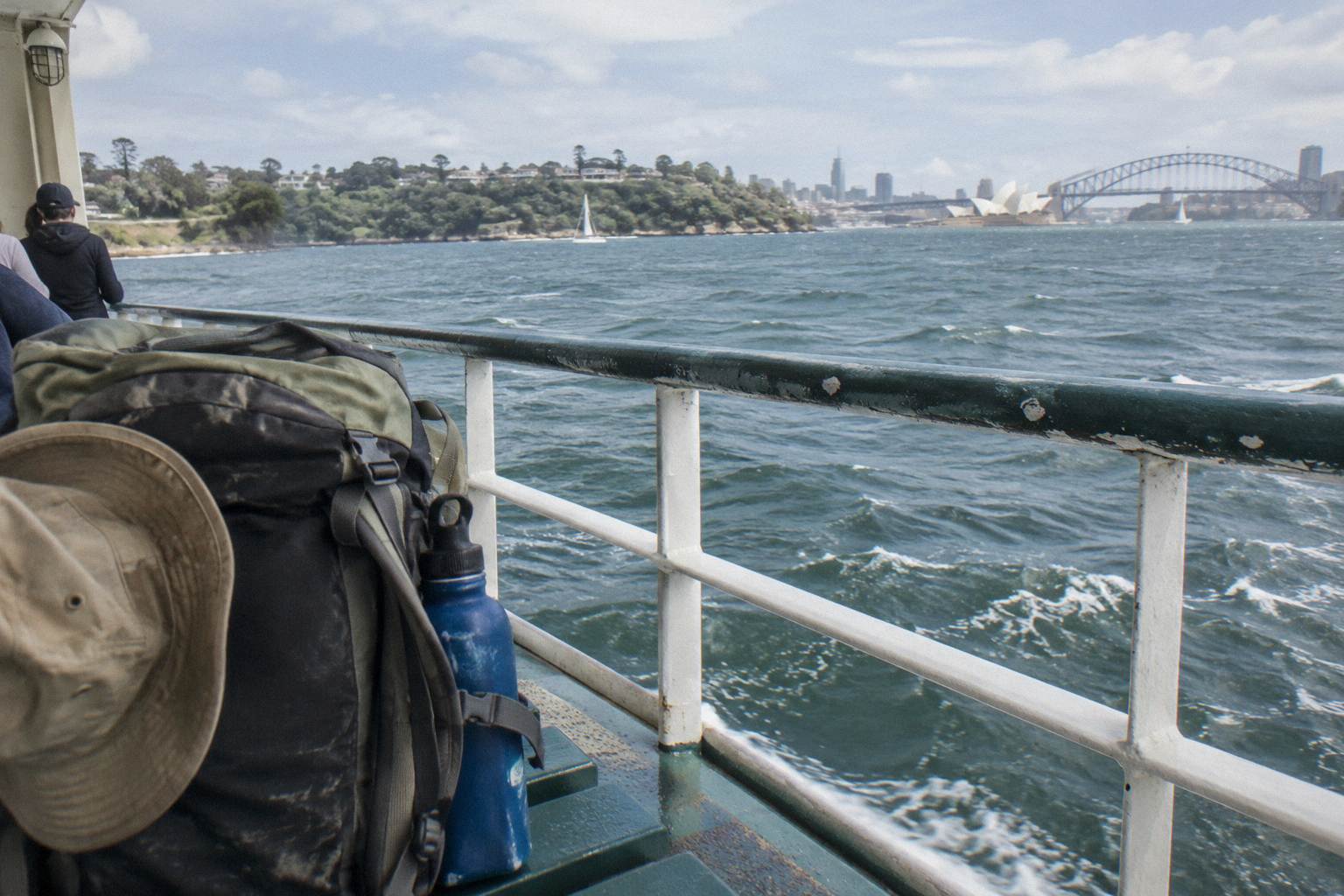
That thinness is not carelessness, it is accuracy. Plenty of sites will happily invent a duration or a passenger number for a trip like this; that figure stays unprinted. What the format itself tells you is meaningful enough. A speed boat is low to the water, exposed to wind and spray, and quick to cover ground, which changes the experience more than any listed inclusion could. You trade the lounge, the commentary over a PA and the stable deck for speed and a lower sightline.
Who should pick it? Confident swimmers and riders who enjoy fast boats, travellers without small children, and anyone who finds large vessels impersonal. Who should not? Guests sensitive to sea motion, since a fast small hull in open water delivers more of it than a large cruiser, and anyone who wants the commentary and comfort layer. There is no stated minimum age or capacity, so families should ask the operator directly through the listing before booking. You can read more about the trade-offs in the article on whether whale watching makes you seasick.
The booking page for the speed-boat trip is separate from the main cruise listings, so treat it as its own product with its own terms. What it shares with every other trip is the season: May to November, the same migration, the same rules about distance.
Should You Book A Dolphin Day Trip Instead?
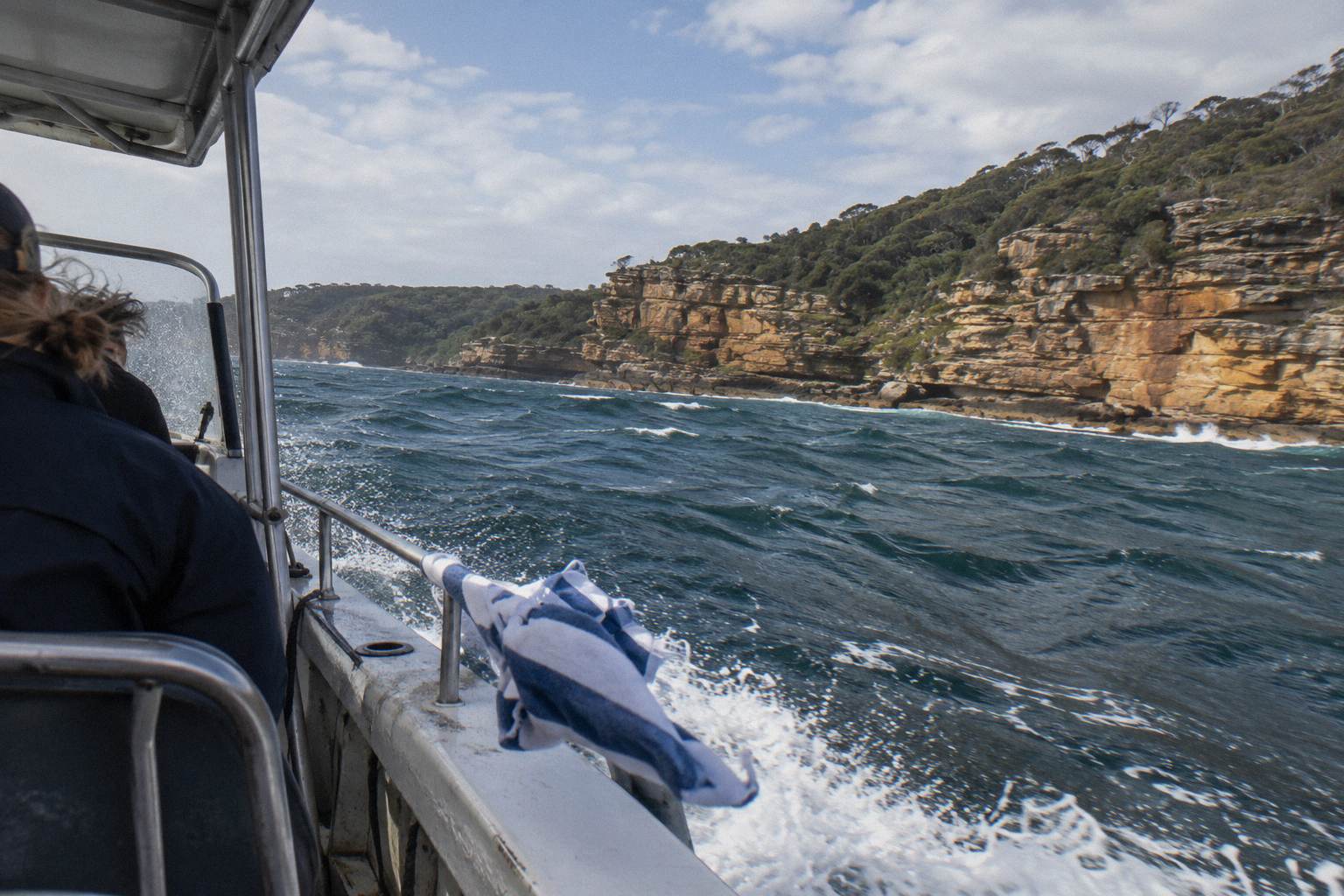
If your real goal is a big day of Australian wildlife rather than whales specifically, a dolphin day trip is often the better buy: the Port Stephens day runs about 12 hours and combines a 90-minute dolphin cruise with a koala sanctuary visit and Stockton Beach 4WD sandboarding, with coach pickup from CBD hotels and Central Station, snacks and water included, lunch at your own expense.
The Port Stephens trip, bookable through the Port Stephens dolphins, koalas and sandboarding day trip page, is a dense itinerary. The coach picks up from four locations including Central Station, drives north with a local driver-guide aboard, and the day centres on Nelson Bay: two hours of dolphin watching on what the booking page calls a Dolphin Discovery eco cruise with commentary. Boom net swimming is optional and weather-permitting, so pack swimwear and a towel if you want in.
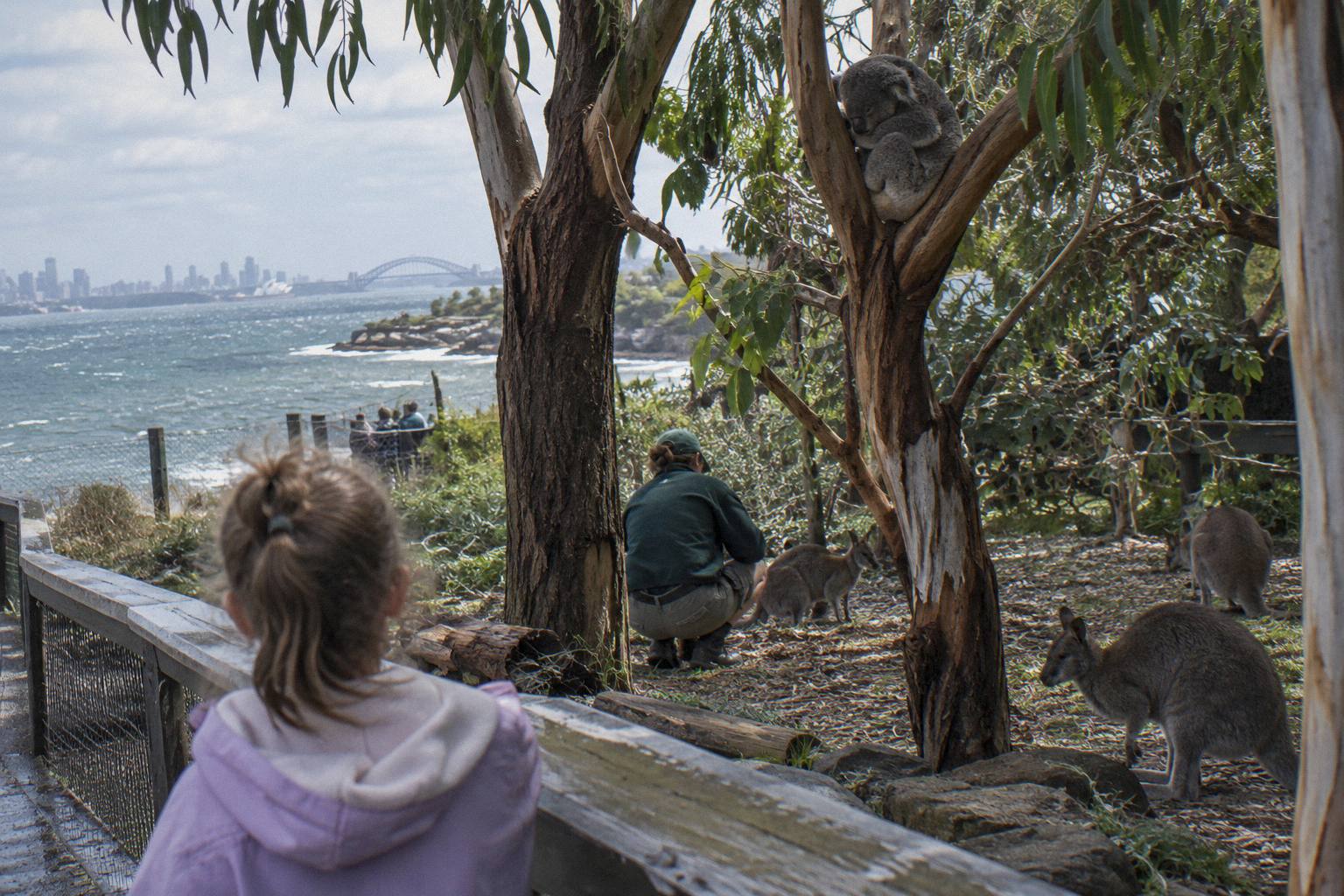
The koala stop deserves a careful sentence. The Port Stephens Koala Sanctuary is a hospital and home for sick, injured and orphaned koalas, and it houses animals that cannot return to the wild. The koalas you meet there are in care, not wild, and that is exactly why the visit is possible: a sanctuary can put you near a koala, while the bush cannot. A longer discussion of this trade-off sits in the post on wild or sanctuary animals on a wildlife tour.
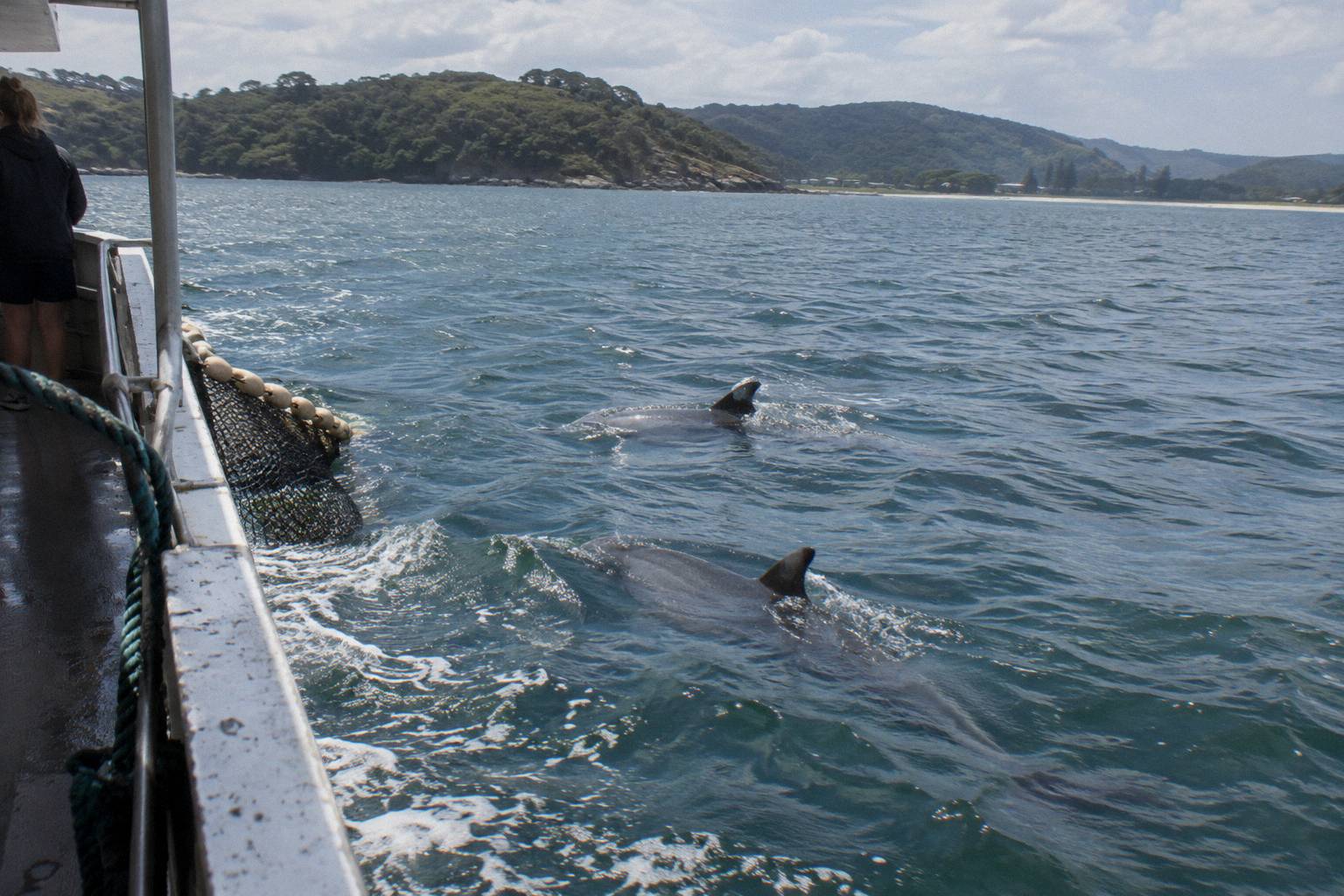
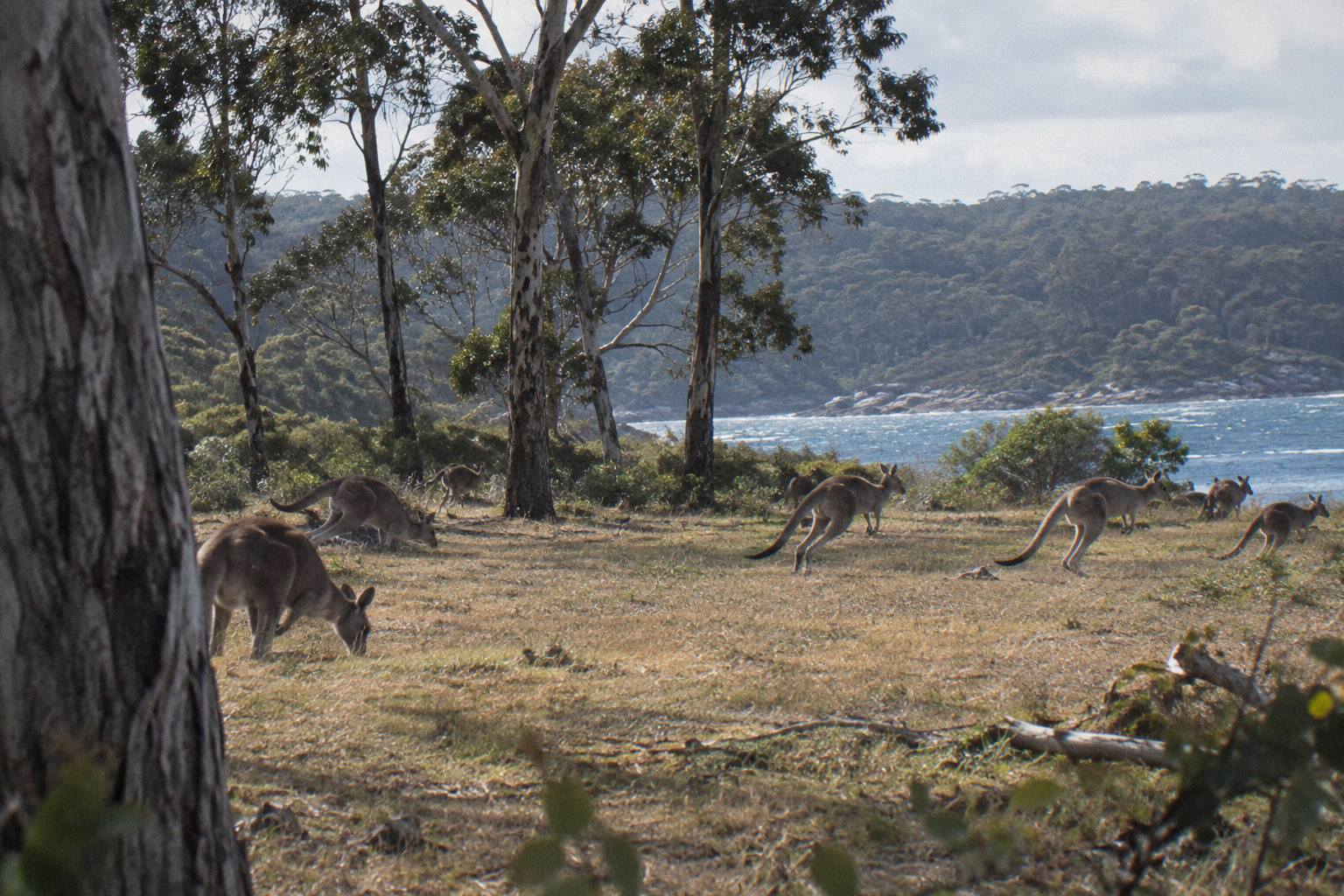
Dolphins, unlike whales, are commonly seen in Port Stephens year round, which is why these day trips run outside the whale season. But no operator promises a sighting on any cruise, dolphin or whale, and no dolphin counts are printed. What the day offers is structure: three very different activities, a coach that handles the driving, and a full day out of the city. For the marine side in more depth, see the guide to dolphin cruises from Sydney to Port Stephens.
What Does The Captain Cook Cruise Include And Not Include?
The Captain Cook 2.5-hour cruise includes the cruise itself, expert commentary, an indoor all-weather lounge and outdoor viewing areas. It does not include hotel pickup or drop-off, food, drinks or personal expenses, and infants aged 0 to 3 are not recommended; child fares exist for ages 4 to 15, with the fare shown on the booking page when you choose a date.
That inclusion list is lean by design. A 2.5-hour trip does not need a lunch stop, and leaving food off the boat keeps the product simple and the price on the listing rather than bundled. You are paying for a well-positioned vessel, a crew that knows the migration, and a departure point that could not be more central: Circular Quay Wharf 6, a short walk from the ferries, trains and the Opera House. Guests with mobility or timing questions should raise them on the listing before booking.
| Item | Status on the booking page |
|---|---|
| 2.5-hour whale watching cruise from Sydney Harbour | Included |
| Expert commentary throughout the cruise | Included |
| Indoor all-weather lounge and outdoor viewing areas | Included |
| Hotel pickup and drop-off | Not included |
| Food and drinks | Not included |
| Personal expenses | Not included |
The free cancellation window is generous for a weather-dependent product: up to 24 hours before the start for a full refund, per the booking page. Cruises still run subject to weather and operational requirements, which is the operator's right and the sea's reality, so the cancellation window is your safety net if conditions turn.
The rating record, 4.3 from 364 reviews, is the largest review pool of any whale watching product, which is why the number is printed with its count. A number without a pool invites you to imagine a crowd that may not exist. Reviews for a cruise like this tend to orbit two things: whether whales appeared, and how the boat handled the swell, which is a useful reminder that half the experience is weather luck.
How Do Weather And Sea Motion Affect Your Choice?
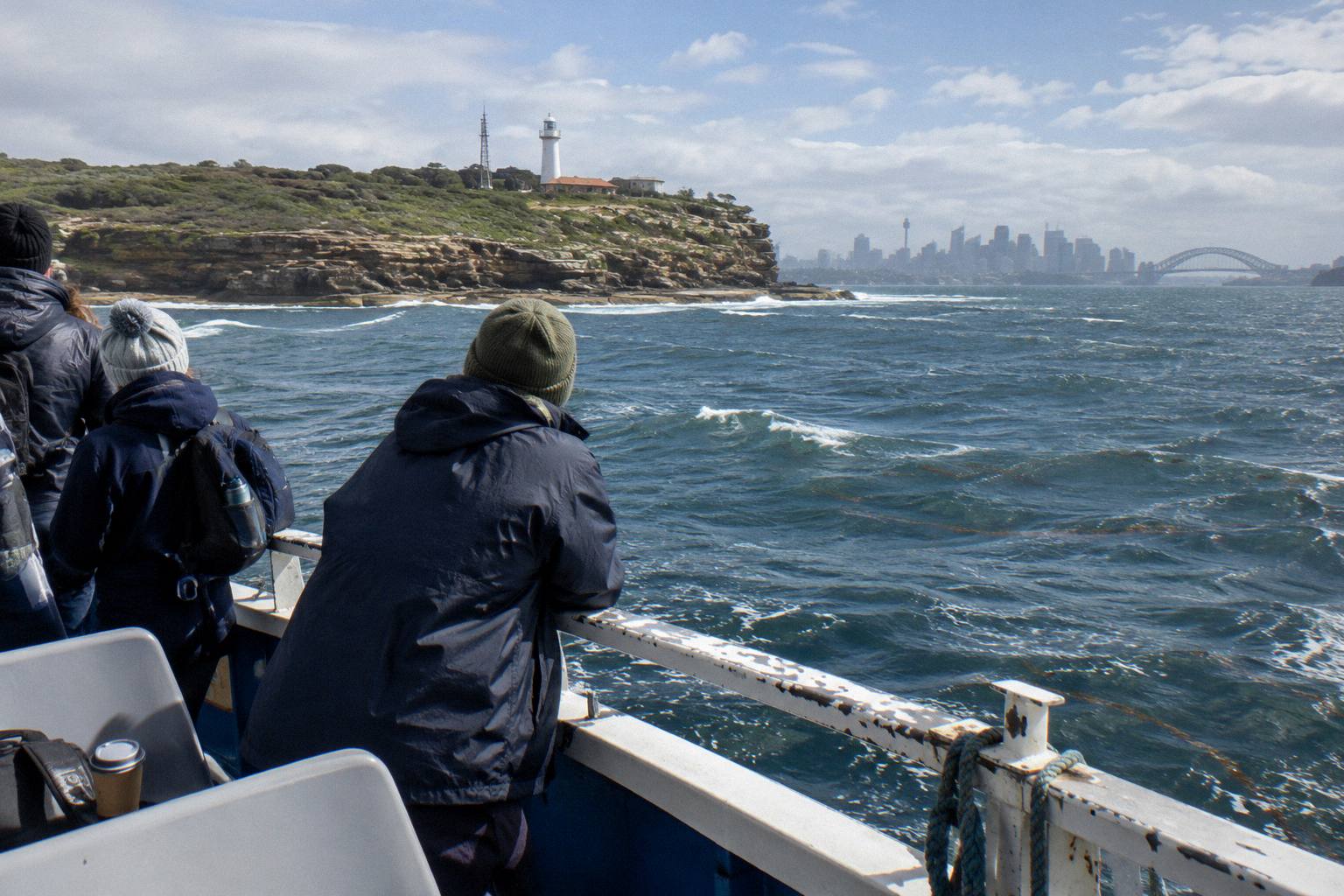
The Captain Cook booking page states the trip is an open-water cruise and sea motion may affect some guests, that it runs subject to weather and operational requirements, and that it has an indoor all-weather lounge and outdoor viewing areas. Beyond that, swell conditions and remedies are not stated; ask the operator. The speed-boat format will suit sea-hardy riders only.
Open water is the whole point of a whale cruise: the boats leave the sheltered harbour and round the heads to where the whales actually are. That means the trip is exposed to ocean conditions in a way a harbour ferry never is, and the operator says so on the listing rather than burying it. The indoor lounge is the mitigation, and it is a real one, but it does not cancel the motion, it just gives you somewhere to sit out of the wind while you feel it.
Choosing between formats on this point is straightforward. The large cruiser with a lounge is the forgiving option. The speed boat is the demanding one: faster, smaller, wetter. The coach day trip barely registers, since only 90 minutes of it is on the water. If you know your own history with boats, let that decide as much as the wildlife does, and pack accordingly with the suggestions in the guide on what to wear on a whale watching cruise.
Weather cuts the other way too. Cruises run subject to weather, and the 24-hour cancellation windows exist partly for that reason. If a trip is cancelled by the operator, the refund mechanics are on the booking page; if you cancel inside your own 24-hour allowance, that is on you, so watch the forecast as your window approaches rather than the night before.
Can You Watch Whales From Land Instead Of A Boat?
Yes, and for free: NPWS names Cape Solander in Kamay Botany Bay National Park, Fairfax Walk, North Head, South Head, Hornby Lighthouse and Arabanoo lookout at Dobroyd Head in Sydney Harbour National Park, the Coast track, Governor Game lookout and Curra Moors loop in Royal National Park, and Barrenjoey Lighthouse in Ku-ring-gai Chase National Park as top whale watching spots.
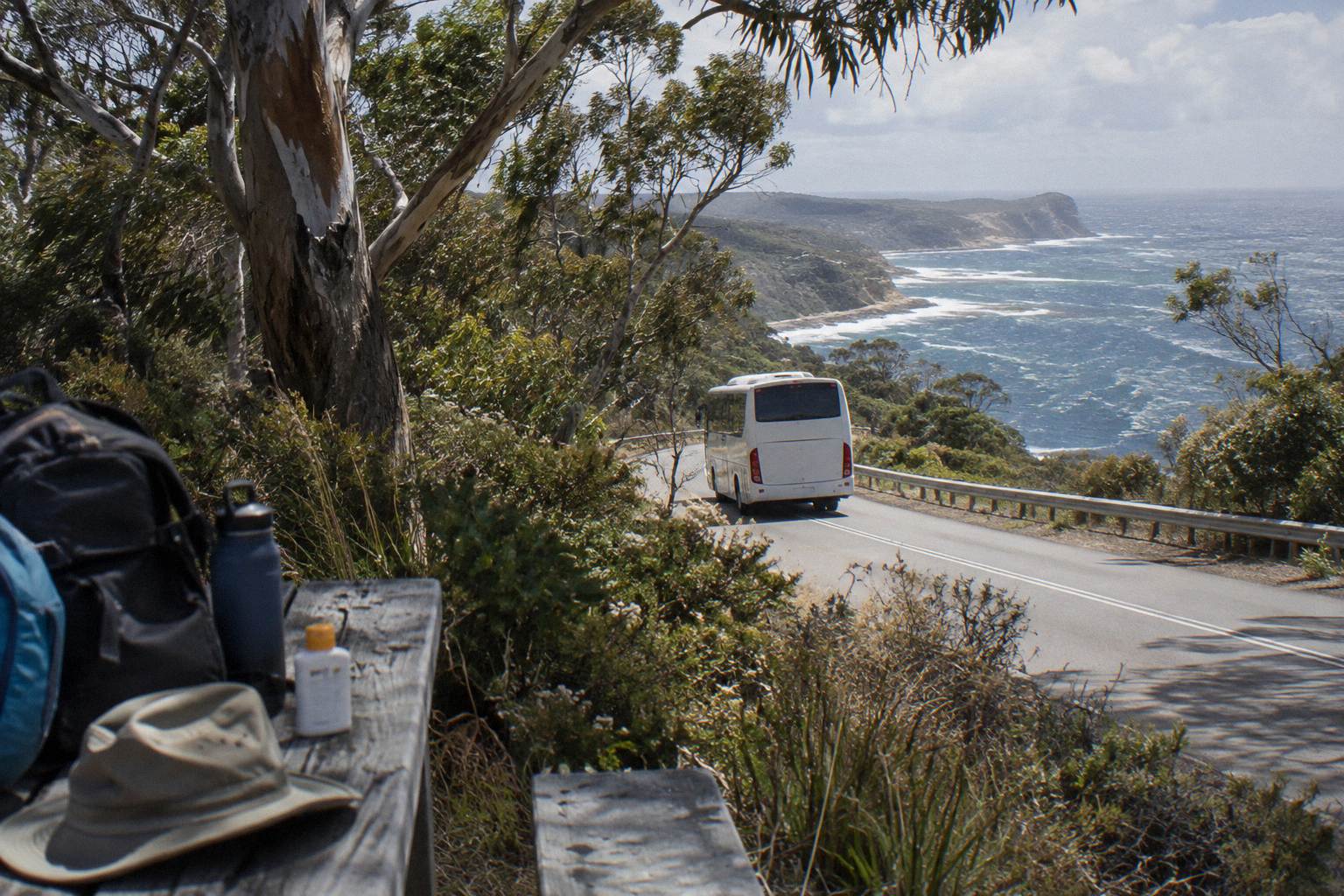
Land watching is the zero-cost, zero-seasickness alternative, and during the mid-year peak the headlands around Sydney carry binoculars and thermoses most mornings. Cape Solander is the best known of them, with a viewing platform that looks straight down the migration corridor, and rangers use it to count passing whales. The trade-off is simple: you see whales at a distance, from a fixed point, with no guarantee one passes while you are there.
A sensible plan for a Sydney whale season visit is to combine both: a land lookout morning when the migration is passing, and a boat trip booked for the day with the best forecast. The Sydney Wildlife Tours guide to the season covers which lookouts face the northbound and southbound runs. Some travellers even book a cruise and scope the headlands the day before, just to confirm the whales are moving.
Land watching also answers the accessibility question differently. A lookout platform is wheelchair-reachable in several of these parks; a speed boat is not, and a dolphin day trip states it is not wheelchair accessible. If anyone in your group has mobility constraints, the land option is not the fallback, it is the primary choice.
Which Whale Watching Trip Should You Actually Book?
Book the Captain Cook 2.5-hour cruise if you want a short, central, review-backed first whale trip with an indoor lounge and free cancellation up to 24 hours before. Book the Ocean Extreme speed-boat trip if you want pace over comfort. Book the Port Stephens day trip if you want a full-day wildlife itinerary with dolphins, koalas in care, sand dunes and coach pickup, rather than a whale-focused cruise.
The decision rarely comes down to whales, because every boat chases the same animals in the same weeks. It comes down to your day. Two and a half hours from Circular Quay leaves the rest of the day for the city. A speed-boat run is over fast and remembered longer. A twelve-hour coach day is a commitment that pays off in variety: dolphins, a sanctuary, dunes, and a coast you would never see from a cruise deck.
Timing beats boat selection, as noted earlier, so book inside the season with a little slack in your itinerary. If your dates are flexible, aim for the legs of the migration with the most movement: northbound through June into July, southbound from around September to November. And keep the cancellation window intact: book early enough to move a day if the forecast turns, rather than locking the last day of your trip.
Whichever you choose, read the listing on the day you book. Durations, inclusions and departure points above come from the booking pages, and those pages are the contract, not the descriptions above. Bring layers, keep expectations tied to the season rather than any guarantee, and treat a whale surfacing at 100 m as what it is: the ordinary magic of a migration that has been passing this coast far longer than any cruise line.
Common Questions About Whale Watching Cruises In Sydney
When Is Whale Watching Season In Sydney?
May to November. Humpback and southern right whales pass Sydney on their annual migration, heading north through June and into July and returning south from around September to November, with a mid-year peak. No cruise runs outside that window.
How Close Does The Boat Get To The Whales?
NSW rules require vessels to keep at least 100 m from a whale, 300 m when a calf is present, and 50 m from dolphins, 150 m with calves. Boats must travel at a constant slow speed with minimal wash within 300 m of a whale. These are the rules operators work to, not a promise of how close your trip gets.
Are Whale Sightings Guaranteed?
No. The Captain Cook booking page states sightings are nature-dependent and vary from cruise to cruise. Any sighting-guarantee phrase in a product title is an operator marketing claim; treat the season, the migration and the crew's local knowledge as what you are actually buying.
What Is The Difference Between The Harbour Cruise And The Speed-Boat Trip?
The Captain Cook cruise is a 2.5-hour large-vessel trip from Circular Quay Wharf 6 with an indoor all-weather lounge, outdoor decks and commentary, rated 4.3 from 364 reviews. The Ocean Extreme trip is a speed-boat format on a separate booking page, with no stated duration, capacity or rating: faster, smaller and more exposed.
Can Children Go On Whale Watching Cruises?
On the Captain Cook cruise, infants aged 0 to 3 are not recommended and child fares exist for ages 4 to 15, with the fare shown on the booking page. The speed-boat listing states no minimum age, so ask the operator through the listing. For the broader family picture, see the guide to kids on whale watching and dolphin cruises.
What Happens If The Weather Is Bad?
Cruises run subject to weather and operational requirements. Most trips, including the Captain Cook cruise and the Port Stephens day trip, offer free cancellation up to 24 hours before the start; for the others, check the cancellation terms on the booking page.