Is Morning Or Afternoon Better For Whale Watching In Sydney?
No published evidence says morning or afternoon is better for whale watching in Sydney. Here is what actually shapes a trip: the May to November season, weather, sea conditions and how to pick a departure time.
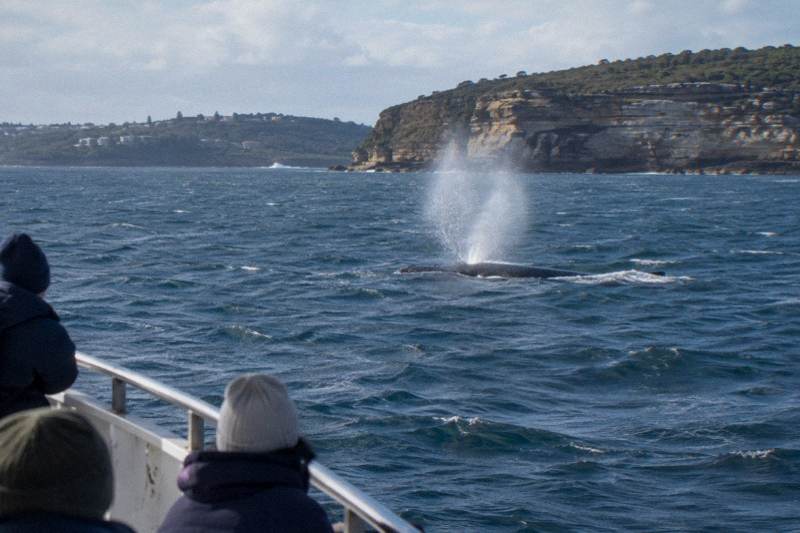
There is no published answer. Neither the National Parks and Wildlife Service nor any whale cruise operator claims that morning or afternoon produces more sightings in Sydney. Whale watching here is seasonal, not clock-dependent: the migration runs from May to November, sightings are nature-dependent on every trip, and the practical choice is which departure time the date's booking page actually offers you.
That is not a dodge, it is the state of the record. The parks service's own whale watching guidance says whales pass Sydney on their annual migration from May to November every year, with humpbacks and southern right whales heading north for warmer waters throughout June and into July and returning south from around September to November. Nowhere in that material is a time of day attached to sighting odds. The same holds for the cruise listings: the booking page for the Captain Cook 2.5 Hour Whale Watching Cruise says plainly that whales and wildlife sightings are nature-dependent and vary from cruise to cruise. It does not say the 10 AM trip sees more than the 2 PM trip, and neither does any other verified page.
So the question "morning or afternoon" is really three smaller questions. First, what does the booking page offer on your date, since you can only choose from the departures that exist. Second, what are the sea and weather conditions doing that day, because Sydney cruises run subject to weather and an open-water trip feels very different in a fresh southerly than in a flat calm. Third, what suits your body and your schedule, because a trip you enjoy at 9 AM beats a theoretical advantage at 3 PM that nobody has actually measured.
If you are already comparing formats, these are the whale and dolphin options:
The parks service also names a long list of Sydney lookouts where you can watch whales from land for free, which is a useful way to test what the ocean is doing before you commit to a departure slot. More on those further down. For the deeper background on timing across the whole season, the guide to the Sydney whale watching season month by month breaks the migration into its legs, and the guide to what to wear on a whale watching cruise in Sydney handles the practical side of a day on the water.
What Actually Drives Sightings: The Season, Not The Clock
Sighting odds in Sydney are shaped by the migration calendar far more than by the hour. Whales are present from May to November, with a mid-year peak as humpbacks and southern right whales move north, and a return flow from around September to November. Within that window, every operator states that sightings are nature-dependent. No official page assigns better odds to morning or afternoon.
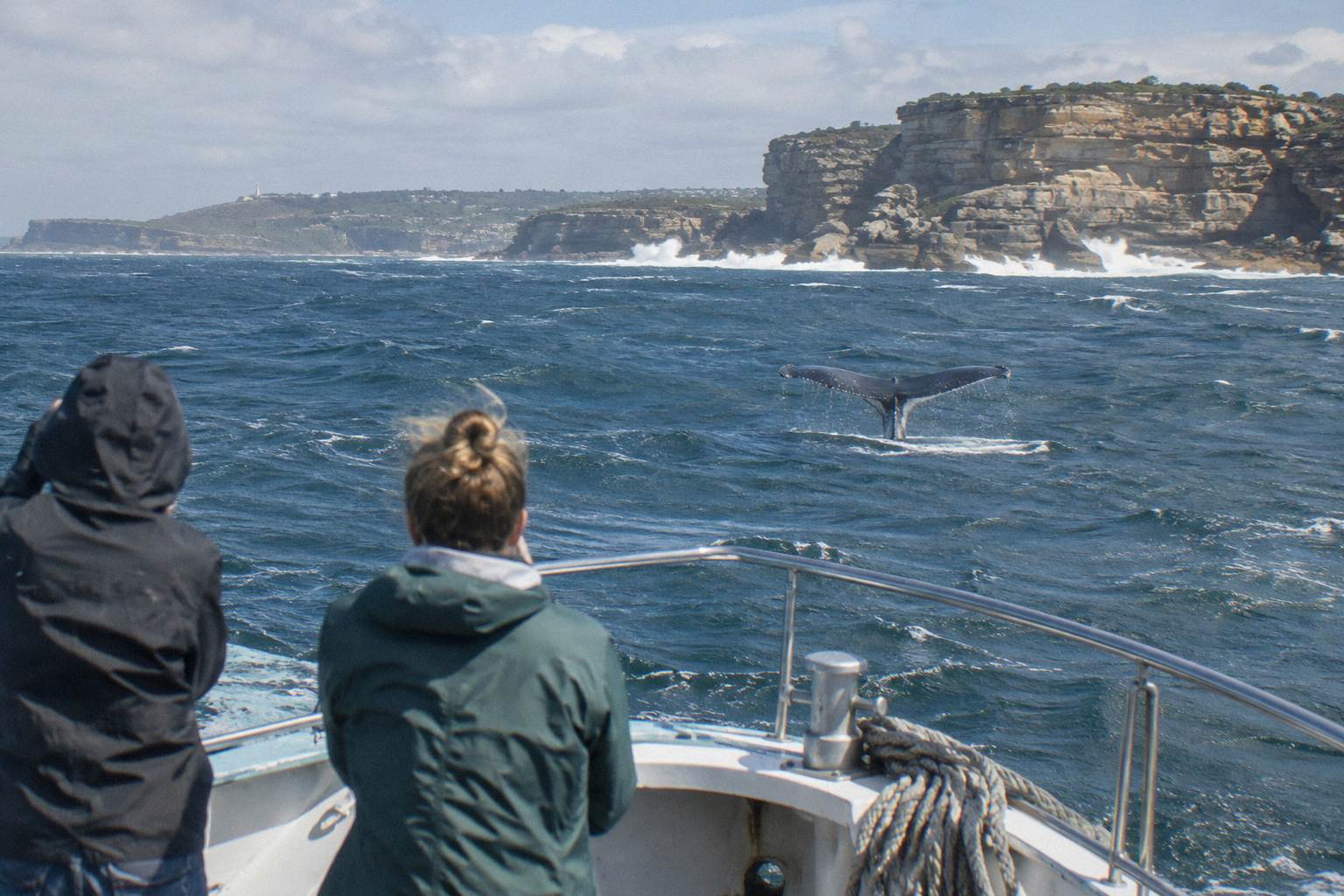
The seasonal pattern is the one variable with real, published substance behind it. The National Parks and Wildlife Service's Wild About Whales program states that whales can be seen during their annual migration from May to November every year, and describes the northward movement through June and into July and the southward return from around September to November. The safe description is a mid-year peak and no more: no exact weeks, no whale counts, no claims about record seasons, and no promises that calves will appear. The whales do not read the timetable in either direction, and neither do the dolphins, seals and albatross that the cruise listings mention as possible extras.
What this means for the morning-or-afternoon question is a reframing. If you are travelling in June or July, the odds of whales being in the area at all are at their seasonal strongest, and either a morning or an afternoon departure is fishing in a stocked pond. If you are travelling in early May or late November, at the shoulders of the season, the marginal difference between 9 AM and 2 PM is almost certainly smaller than the difference between being inside the peak and being at its edge. Choosing the right month first, then the right day, then the departure time, is the order of influence.
There is one more calendar point worth knowing. Because whale cruises are seasonal products running May to November, the departure times offered in June can differ from those offered in October, and the listing for a given date is the only reliable source. When you pick a date on the operator's booking page, the departure times available that day are shown to you before you commit. That is the moment to make the morning-or-afternoon decision, on the strength of what is actually bookable, not on folklore about which half of the day is better.
Sea Conditions, Weather And How Cruises Actually Run
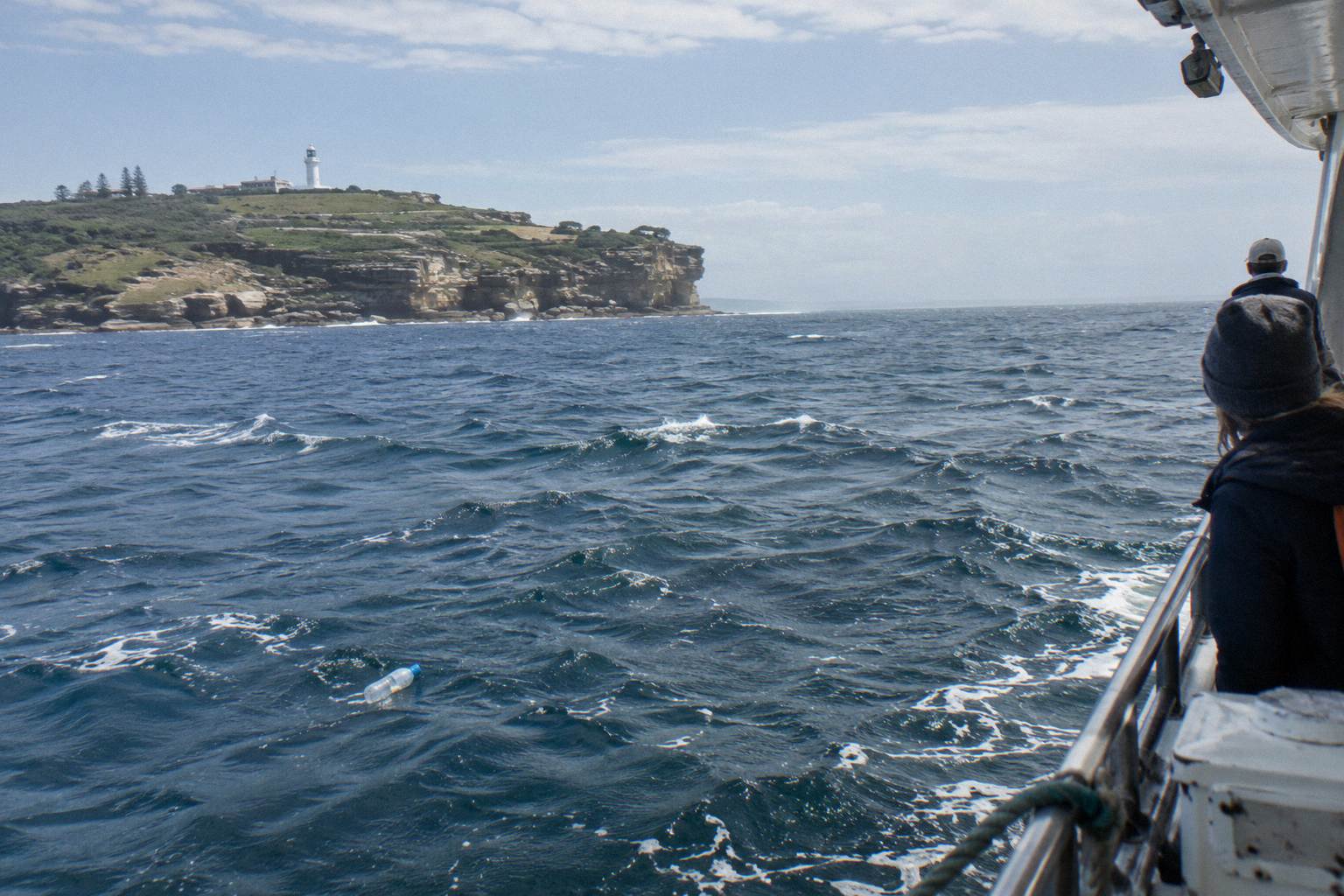
Sydney whale cruises run subject to weather and operational requirements, and the main cruise listing describes an open-water trip where sea motion may affect some guests. Neither the operator nor any official page states that mornings are calmer or afternoons clearer. On sea conditions by time of day, nothing is stated on the booking pages; ask the operator.
The folk wisdom usually lives here. People say take the morning because the sea is flatter, or the afternoon because the light is better, or the early trip because whales feed at dawn. None of those claims appears in any verified page. The parks service whale watching pages discuss season and location, not hour. The cruise listing discusses weather dependency, not diurnal patterns. A reader who wants a view on whether Sydney Harbour is calmer before noon should ask the operator directly when booking: the crew watch that water every day and will give you a straight answer about the day you have in mind.
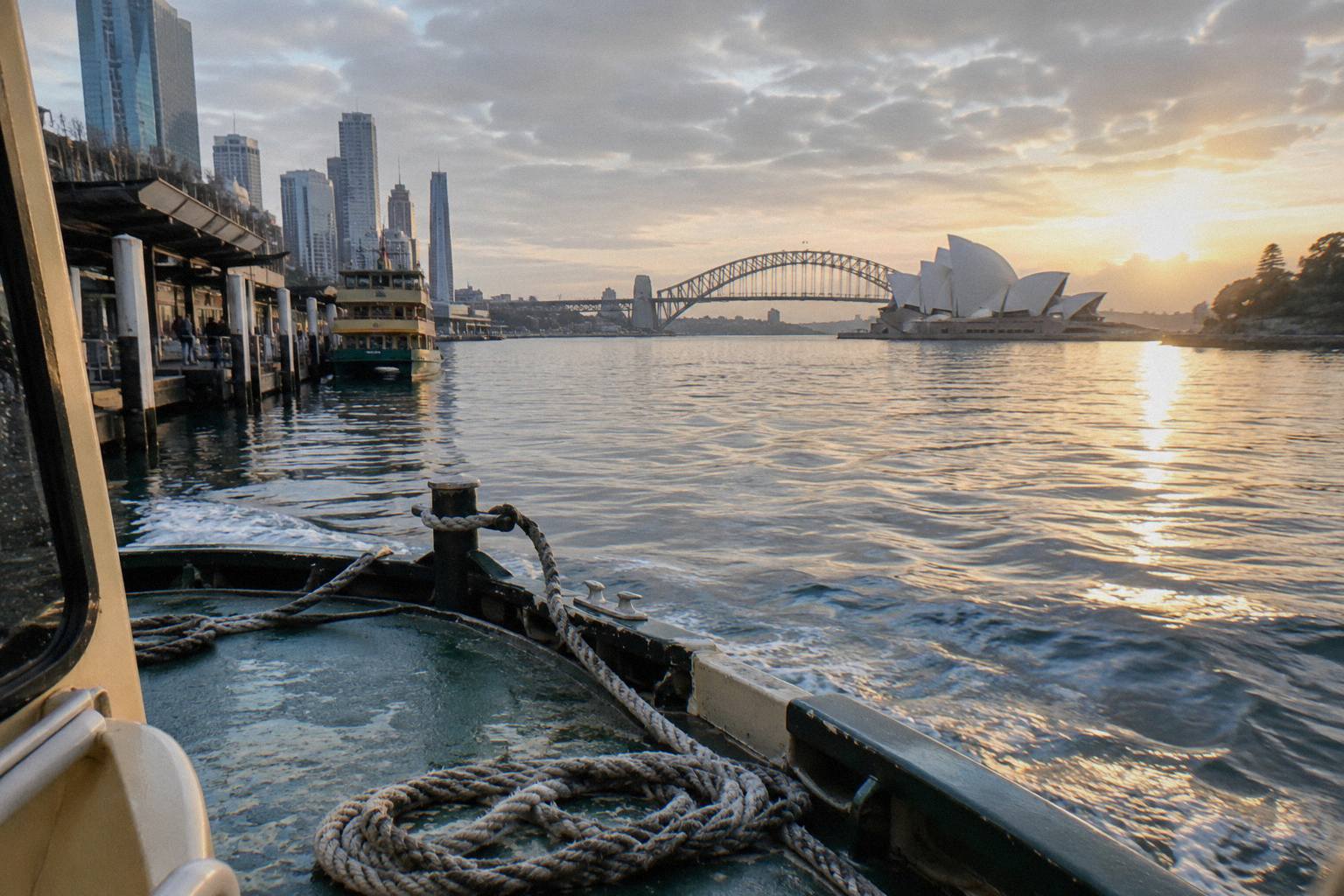
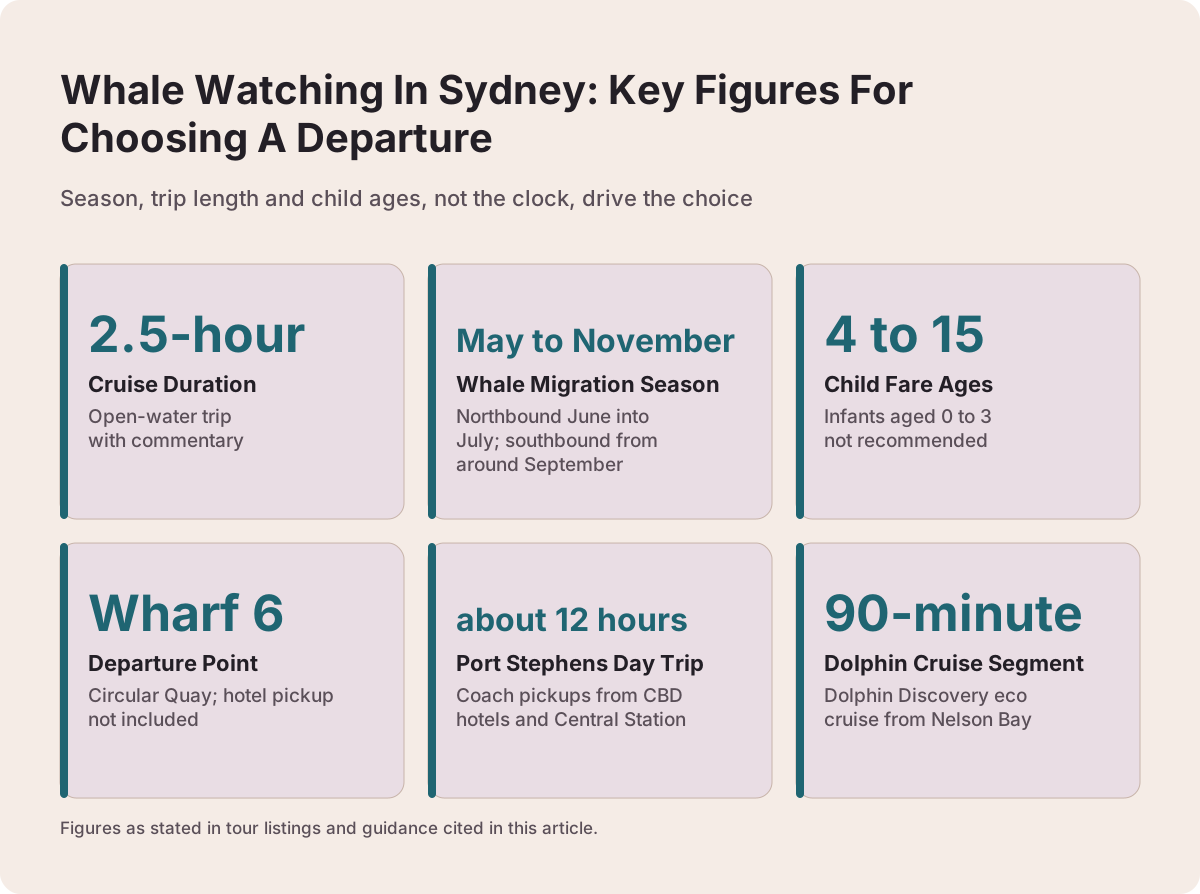
What the listing does tell you is worth taking seriously on its own terms. The Captain Cook cruise, operated by Captain Cook Cruises and leaving from Circular Quay Wharf 6, is a 2.5-hour open-water trip with expert commentary, an indoor all-weather lounge and outdoor viewing areas. The indoor lounge is the detail that quietly dissolves half the morning-or-afternoon anxiety: whatever the sea is doing, there is a sheltered place to sit, and the outdoor decks are there when you want the view. The listing also notes that the cruise operates subject to weather, which means a rough-afternoon forecast can cancel a 2 PM sailing while the 9 AM one went ahead, and vice versa the next day. Weather picks the winners here, not the clock.
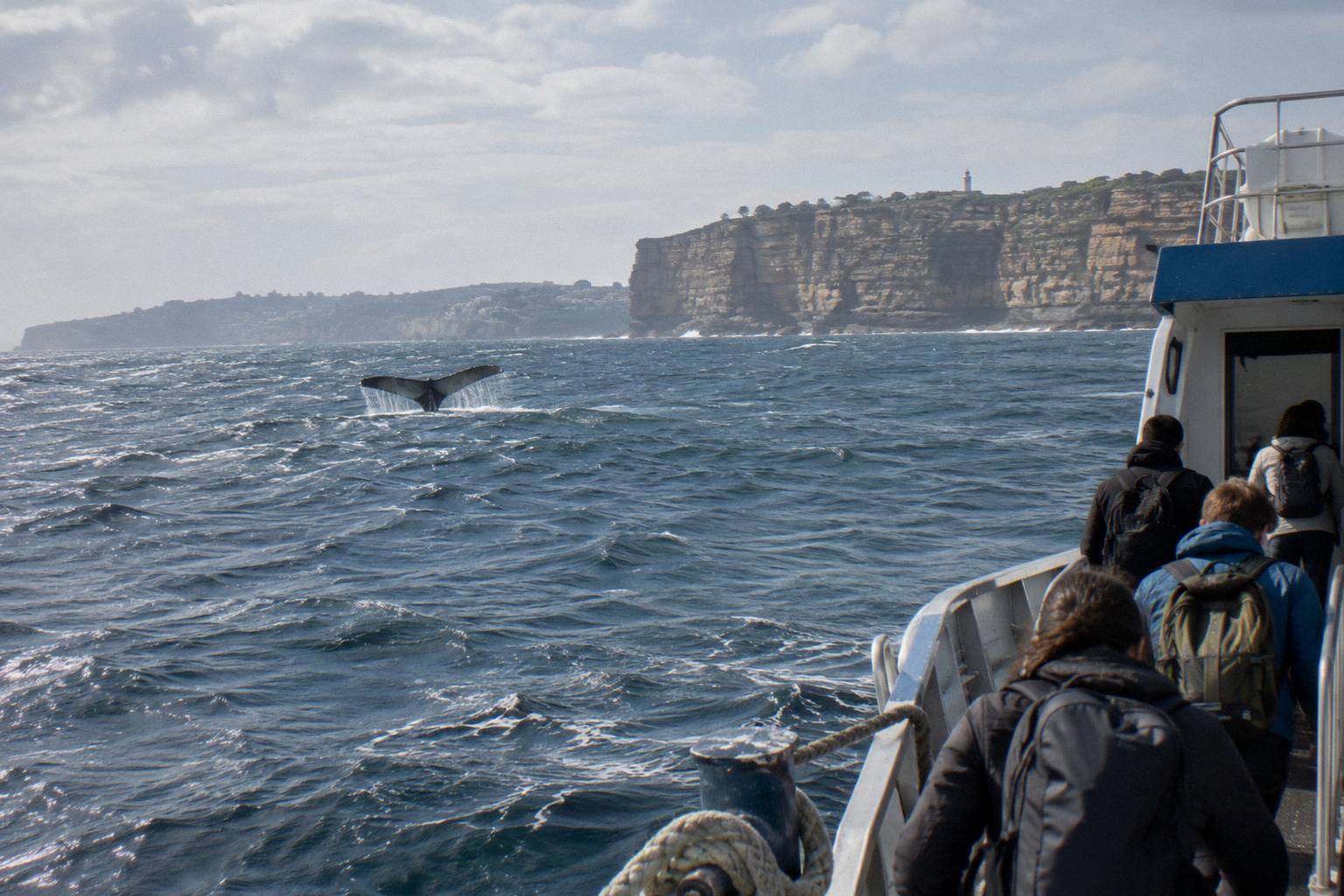
If you know open water is not your friend, the practical sequence is: check the marine forecast for your date, ask the booking desk how the day's conditions look when you call, and consider a preventative remedy after asking a pharmacist, because no seasickness advice appears in any verified page. The post on whether whale watching makes you seasick works through the same question with the same evidence discipline. If calm water is your priority and a speed boat sounds like the opposite of that, note that a speed-boat whale watching format exists on a separate booking page, with no operator-stated duration or capacity on the live booking page, so read its listing in full before choosing it.
One reassurance that is stated, rather than guessed: child fares exist on the Captain Cook cruise for ages 4 to 15, infants aged 0 to 3 are not recommended, and hotel pickup is not included, so build your own travel time to Circular Quay into whichever departure you choose. A 2 PM sailing you arrive for breathless at 1:55 is a worse experience than a 9 AM sailing you strolled into at 8:40, and that trade is entirely within your control.
What The Approach Rules Mean For Your Trip
NSW rules require vessels to keep at least 100 m from a whale, and 300 m when a calf is present; dolphins and dugongs get 50 m, and 150 m with calves; within 300 m of whales, boats travel at a constant slow speed with minimal wash; jet skis keep 300 m from whales, dolphins and dugongs. These distances apply at every hour of the day, so they cannot make one departure better than another.
Licensed operators work to these rules, and it helps to know them before you board, because a cruise that holds its distance is complying, not underperforming. The official NSW approach-distance guidance sets out the figures above, along with slower speeds inside the caution zone and approach angles for skippers. Extra protections apply to southern right whales beyond the standard distances. None of this is a promise about how close any given cruise will get on any given day; it is the framework the whale watching fleet operates inside, morning and afternoon alike.
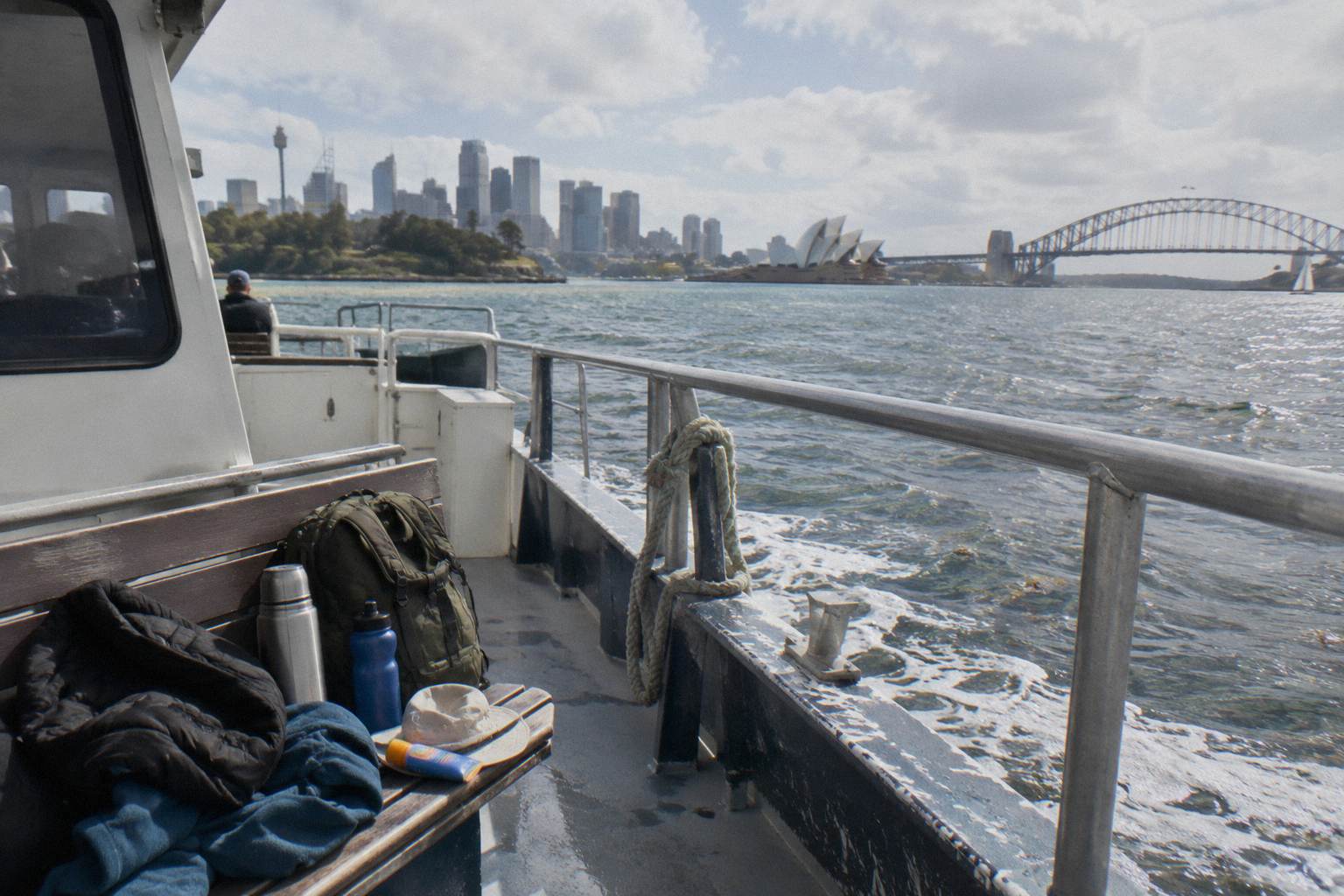
Why does this belong in a discussion of departure times? Because it removes another piece of folklore. Sometimes you will hear that the early boat gets closer, or that afternoon skippers push in for the sunset crowd. There is nothing in the rules, and nothing in any listing, to support either claim. Distance is set by the animals' behaviour and by law, not by the departure slot. A whale that is logging near the heads at 11 AM is just as approachable, within the rules, as one at 3 PM, and a whale that wants nothing to do with boats will ignore both sailings equally.
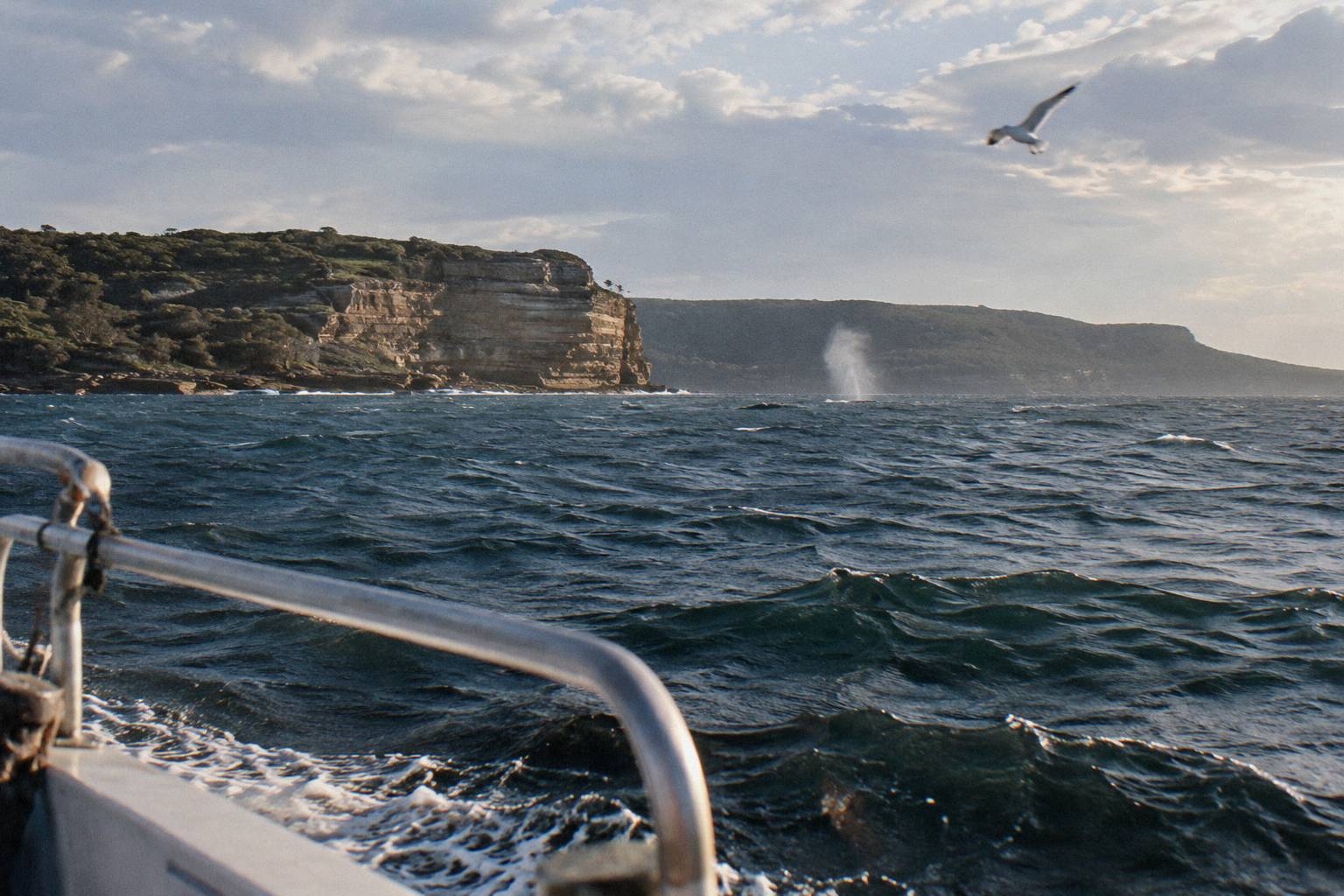
The rules also explain why sightings feel different even when the whales are present. A calf in the group means the caution zone expands, and the boat you are on will stand further off than you might expect from the brochure photos. If a trip report from the morning mentions a close pass and your afternoon trip watches from further out, the difference was probably a calf, not the clock. Every listing says sightings are nature-dependent, and the approach rules are a big part of what that phrase means in practice.
Choosing A Departure Time By Traveller Type
The right departure is the one that fits your constraints, because no evidence separates morning from afternoon on sightings. Families usually do better on the departure that sits after naps and meals; prone-to-seasickness travellers do better on whichever slot has the gentler forecast; photographers should pick the slot with the light they want; and everyone should pick from what the date's booking page actually offers.
That is decision logic, not a claim about whales, and it is the most useful takeaway. The table below matches common traveller situations to the choice that follows from them, using only the facts stated above.
| Traveller situation | Departure logic that follows | Why |
|---|---|---|
| Families with children 4 to 15 | Book the departure that sits between meals and naps | Child fares exist for 4 to 15; infants 0 to 3 are not recommended on the main cruise |
| Guests worried about sea motion | Choose the slot with the milder forecast that day, and ask the operator when booking | Cruise is open-water and runs subject to weather; no stated time-of-day calm advantage |
| Photographers | Pick the slot whose light suits your lens direction | Approach distances are constant all day; light is the only variable you control |
| Cruise-ship passengers | Take the earliest departure that clears your all-aboard time | Hotel pickup is not included; you manage your own transfer to Circular Quay Wharf 6 |
| Travellers in early May or late November | Prioritise the season's shoulder risk over the hour | Whales run May to November with a mid-year peak; month matters more than time |
| Anyone flexible on dates | Watch the weather window and book inside it | Cruises operate subject to weather and operational requirements |
Notice what is absent from that table: any row that says "morning sees more whales" or "afternoon is better". Those rows cannot be written from the evidence, and a site that invents them is selling you confidence it does not have. What you can control is your own readiness: arrived early, dressed right, fed, medicated if a pharmacist has advised it, and holding a ticket for a departure that exists. If the full-day versus half-day question is also on your table, the post on how long a wildlife day tour from Sydney runs covers the endurance side of that trade.
For a different animal and a different rhythm entirely, some travellers swap the clock question for a coast change:
That Port Stephens day trip runs about 12 hours with coach pickups from CBD hotels and Central Station, a 90-minute Dolphin Discovery eco cruise from Nelson Bay, a koala sanctuary visit, Stockton Beach 4WD and sandboarding, with lunch not included. It is a commitment of a whole day rather than a choice between two halves of one, which is exactly why it suits travellers for whom the morning-or-afternoon question is moot.
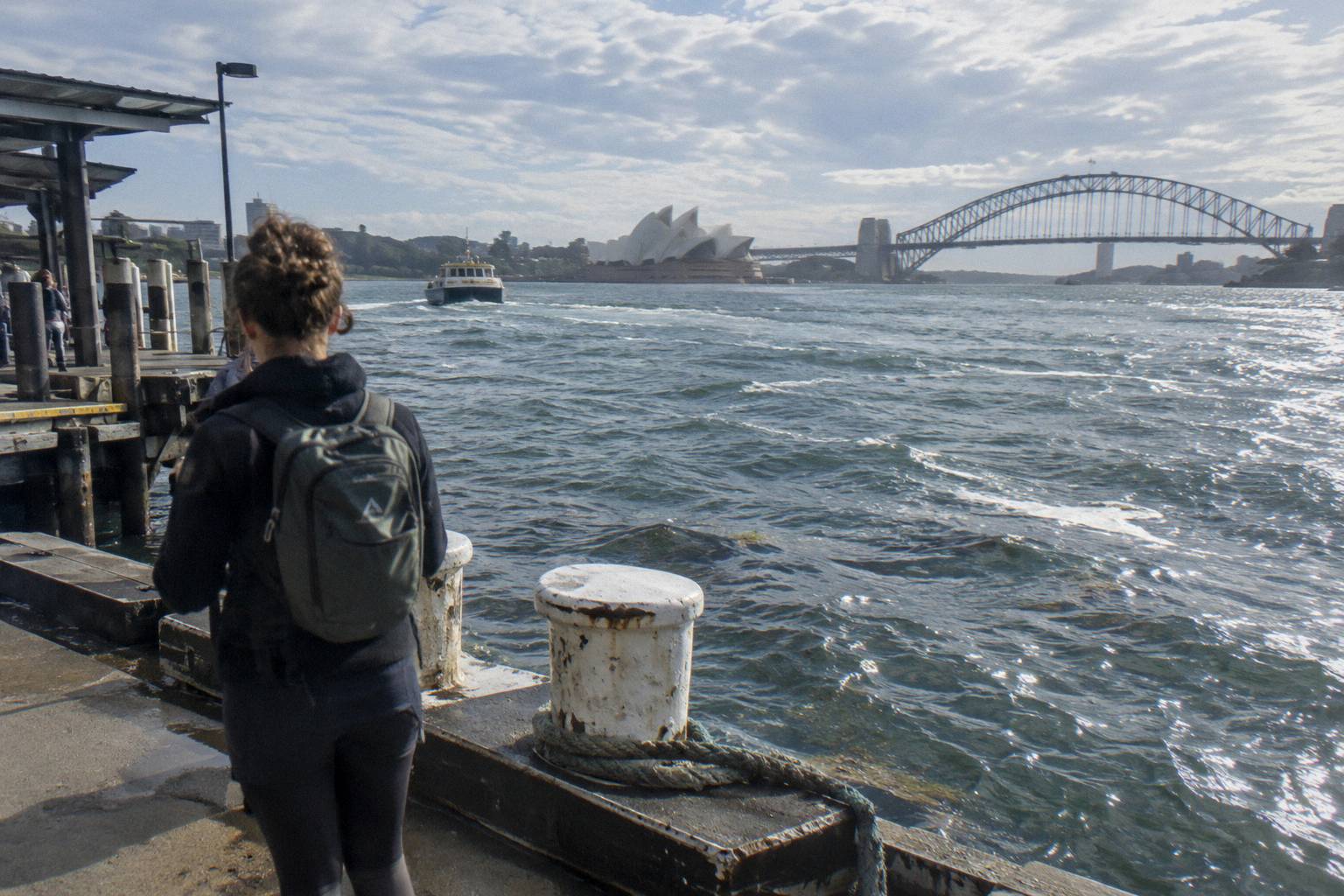
Free Land Lookouts: Test The Water Before You Book
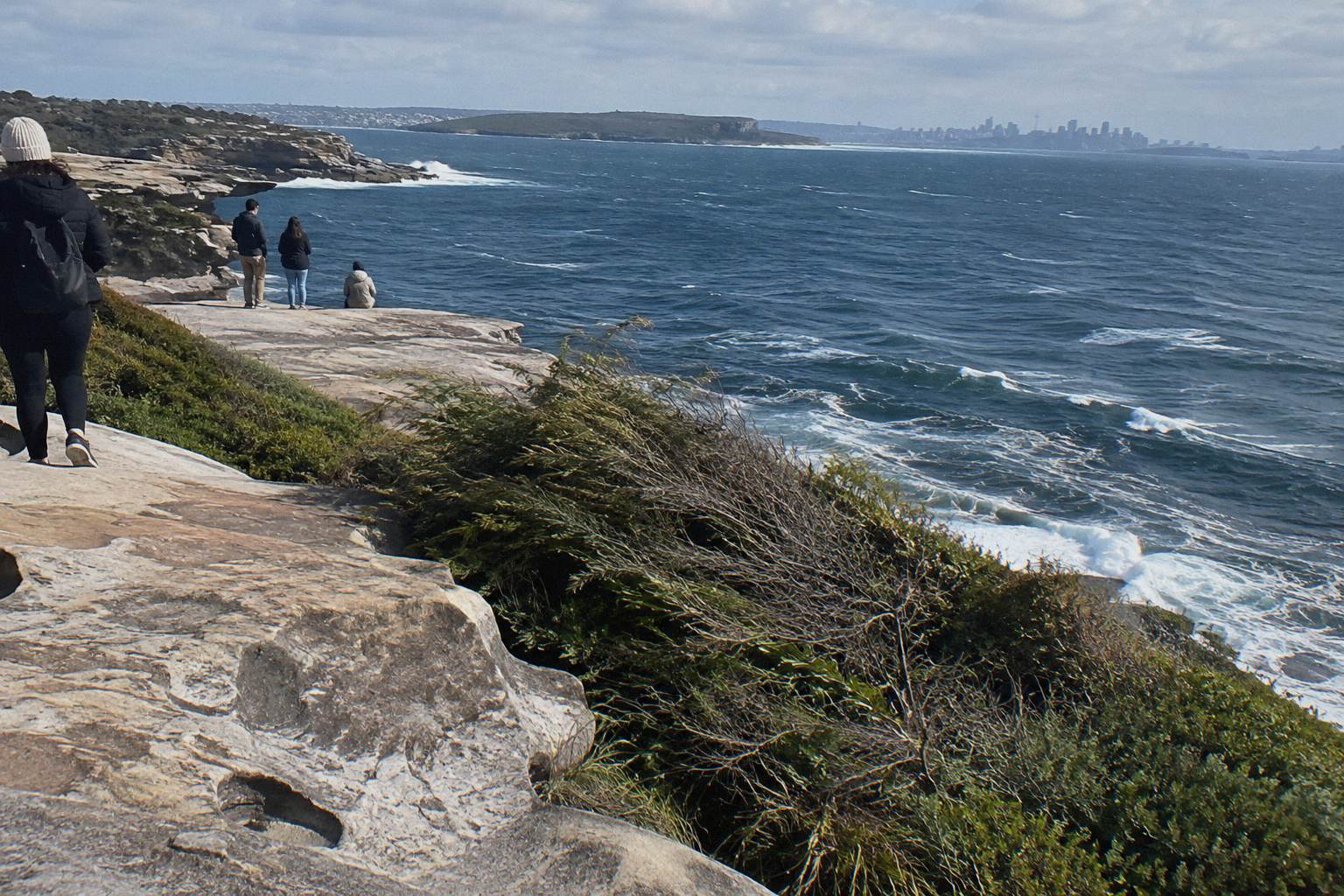
The National Parks and Wildlife Service names whale watching lookouts across Sydney's national parks, including Cape Solander in Kamay Botany Bay, Fairfax Walk, North Head, South Head, Hornby Lighthouse and Arabanoo lookout in Sydney Harbour National Park, and sites in the Royal, Ku-ring-gai Chase, Bouddi and Wyrrabalong parks. Watching from one costs nothing and answers the conditions question directly.
A lookout visit the day before your cruise, or the morning of an afternoon sailing, tells you three things no blog post can: what the sea state actually looks like, whether the wind is up, and, if you are lucky, whether whales are passing. It is the closest thing to a personalised morning-or-afternoon answer that exists, because you generate it yourself from the window you actually care about. Binoculars and patience are the only equipment.
| Lookout | Park | What it offers the timing decision |
|---|---|---|
| Cape Solander | Kamay Botany Bay National Park | A dedicated whale watching deck with sightlines over the open coast |
| Fairfax Walk | Sydney Harbour National Park | Short fenced loop with harbour-head ocean views, easy for kids |
| North Head and South Head | Sydney Harbour National Park | High vantage over the entry lanes cruise boats take |
| Hornby Lighthouse | Sydney Harbour National Park | Compact clifftop walk with wide ocean views |
| Arabanoo lookout, Dobroyd Head | Sydney Harbour National Park | Quieter Middle Head vantage over the water |
| The Coast track, Governor Game lookout, Curra Moors loop | Royal National Park | Longer walking options for a half-day scout |
| Barrenjoey Lighthouse | Ku-ring-gai Chase National Park | Northern beaches vantage at Palm Beach |
The parks service listing of these lookouts is the same Wild About Whales page that anchors the season facts above, which is worth noting: even the government's definitive whale watching page organises its advice by place and month, not by hour. If the official body with the most whale data in the state does not rank morning against afternoon, a booking page that did would be sailing ahead of the evidence.
What To Ask The Booking Desk Before You Pick A Slot
Ask the operator five things: what departure times exist on your date, how the day's forecast looks for each, what happens if weather cancels your sailing, where the boat boards and how early to arrive, and whether any time-of-day difference has shown up in their recent trips. The operator's answers beat any general rule, and the last question lets the crew's daily experience stand in for the missing evidence.
The listing answers some of these already: the Captain Cook cruise leaves from Circular Quay Wharf 6, pickup is not included, and cancellation is free up to 24 hours before. Departure times and prices appear on the listing when you select a date, and the fare you see depends on the date and traveller type you choose. What the listing cannot answer is the weather picture for your specific day or the crew's recent pattern, and those two questions take thirty seconds on a phone call.
| Question to ask | What a good answer sounds like |
|---|---|
| What departures run on my date? | Exact times listed, so you choose from reality, not hope |
| How does the forecast look that day? | A straight read, possibly a steer toward the calmer slot |
| What if my sailing is cancelled for weather? | A clear rebooking or refund path, consistent with free cancellation up to 24 hours |
| Where and when should I board? | The wharf plus an arrival buffer you can plan around |
| Has morning or afternoon been better lately? | A grounded, hedged answer, because sightings are nature-dependent every trip |
Treat a crew that hedges on the last question as a good sign. The listings themselves say sightings vary from cruise to cruise, and an operator who repeats that line rather than inventing a pattern is telling you the truth. Sydney Wildlife Tours holds the same line across every cruise page: no sighting is guaranteed, and no hour is magic.
Common Questions About Whale Watching Times In Sydney
Is Morning Or Afternoon Better For Whale Watching In Sydney?
No published source says either. The parks service and the cruise listings describe a May to November season with nature-dependent sightings, and no page assigns better odds to a part of the day. Choose from the departures your date's booking page offers and let weather and your own schedule decide.
When Is Whale Watching Season In Sydney?
Whales pass Sydney on their annual migration from May to November every year, per the National Parks and Wildlife Service. Humpbacks and southern right whales head north through June and into July and return south from around September to November, with a mid-year peak.
Do Whale Cruises In Sydney Get Cancelled For Weather?
Yes. The main cruise listing states the trip operates subject to weather and operational requirements. Cancellation is free up to 24 hours before, and the listing or the booking desk will explain the rebooking path if your sailing is called off.
How Close Do The Boats Get To The Whales?
NSW rules require vessels to keep at least 100 m from a whale, and 300 m when a calf is present; dolphins and dugongs get 50 m, and 150 m with calves. Boats travel at a constant slow speed with minimal wash within 300 m of whales. These are rules licensed operators follow, not promises about any trip.
Can I Watch Whales From Land Instead?
Yes. The parks service names lookouts including Cape Solander, Fairfax Walk, North Head, South Head, Hornby Lighthouse and Arabanoo lookout in Sydney Harbour National Park, plus sites in the Royal, Ku-ring-gai Chase, Bouddi and Wyrrabalong parks. A lookout visit costs nothing and shows you the day's conditions firsthand.
Is The Speed Boat Trip Better Than The Bigger Cruise?
They are different formats, not better and worse. The speed-boat whale watching product sits on a separate booking page with no operator-stated duration or capacity listed, so read its listing in full; the Captain Cook cruise is a 2.5-hour trip with an indoor all-weather lounge and outdoor viewing areas, rated 4.3 from 364 reviews.
Whichever slot you choose, these are the whale and dolphin options worth a look before you book: