What To Wear And Bring On A Sydney Whale Watching Cruise
The whale cruise listing publishes no packing list. Here is what it does say about conditions on board, what other wildlife tours tell their guests to bring, and how to pin the rest down before you sail.
Short answer
No Sydney whale watching cruise publishes a clothing or packing list; the Captain Cook listing confirms only an indoor all-weather lounge, outdoor viewing areas, an open-water passage where sea motion may affect some guests, and no food or drink included. Land wildlife tours do publish bring lists, and those lists, plus a short set of questions to the booking desk, close the gap.
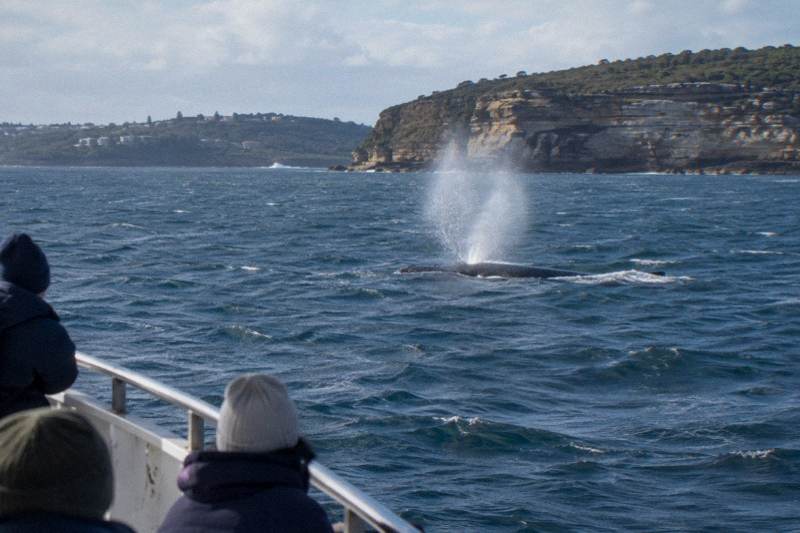
Sydney whale watching runs from May to November each year, when humpback and southern right whales migrate along the coast, and the National Parks and Wildlife Service names headlands from Cape Solander to Barrenjoey as top watching spots. Boat tours get you closer than any lookout, within the rules: in NSW a vessel may approach no closer than 100 metres to a whale, as the official approach-distance rules set out. But once you have a cruise booked, the practical question changes: what do you actually wear and bring for two and a half hours on open water?
The answer comes from what the booking pages themselves state. Where a listing is silent, it stays silent, and the focus moves to what is verifiable. Sydney Wildlife Tours publishes these facts so you can plan the day with facts rather than guesswork.
Does The Whale Cruise Publish A Dress Or Packing List?
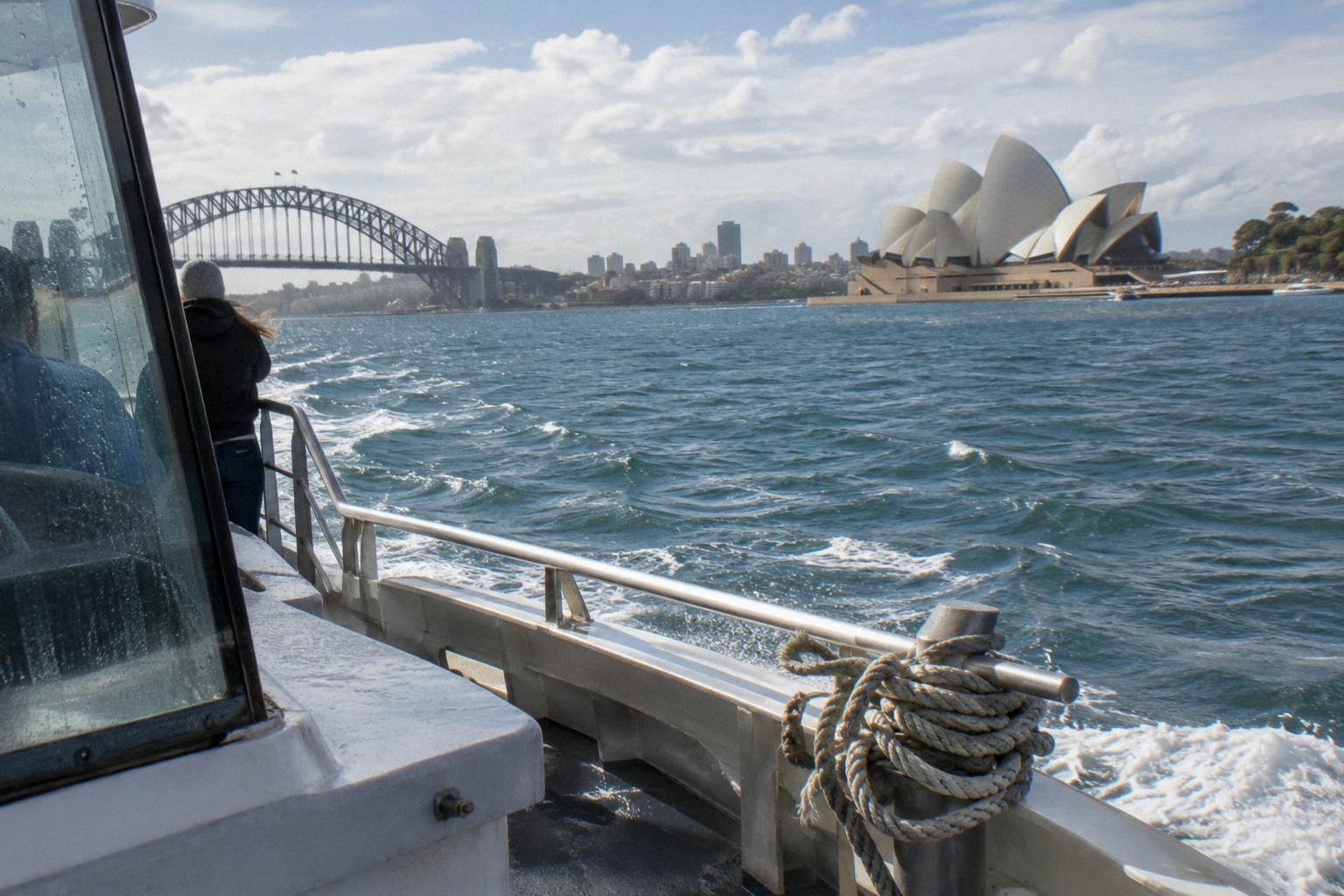
No Sydney whale watching cruise listing publishes a clothing, footwear or packing list. That detail is not published; ask the operator. What the Captain Cook 2.5 hour cruise listing does confirm is the shape of the day: about 2.5 hours on the water from Circular Quay Wharf 6, an indoor all-weather lounge, outdoor viewing areas, expert commentary, and no hotel pickup, food or drink included.
That is the starting point. Plenty of articles will tell you to dress in layers and pack a rain jacket, but none of that wording appears on the actual booking page for this cruise, and inventing it here would be guesswork dressed as advice. The listing tells you what you are standing on and what the vessel offers, and it is upfront about one physical reality: this is an open-water cruise, sea motion may affect some guests, and departures run subject to weather and operational requirements. Beyond that, the operator has chosen not to publish gear guidance, and the booking desk is the right place to get it.
If you have not chosen a cruise yet, the harbour cruise options compared guide lays out the formats side by side, and the question of whether whale watching makes you seasick is worth reading before you commit, because it covers the same open-water passage from the comfort angle. Motion aside, the season matters too: the best time within the May to November window can shape how cold and how bright the deck feels, and the NPWS Wild About Whales pages describe the migration you would be sailing into, with whales heading north throughout June and into July and returning south from around September to November.
What The Cruise Listing Says About Conditions On Board
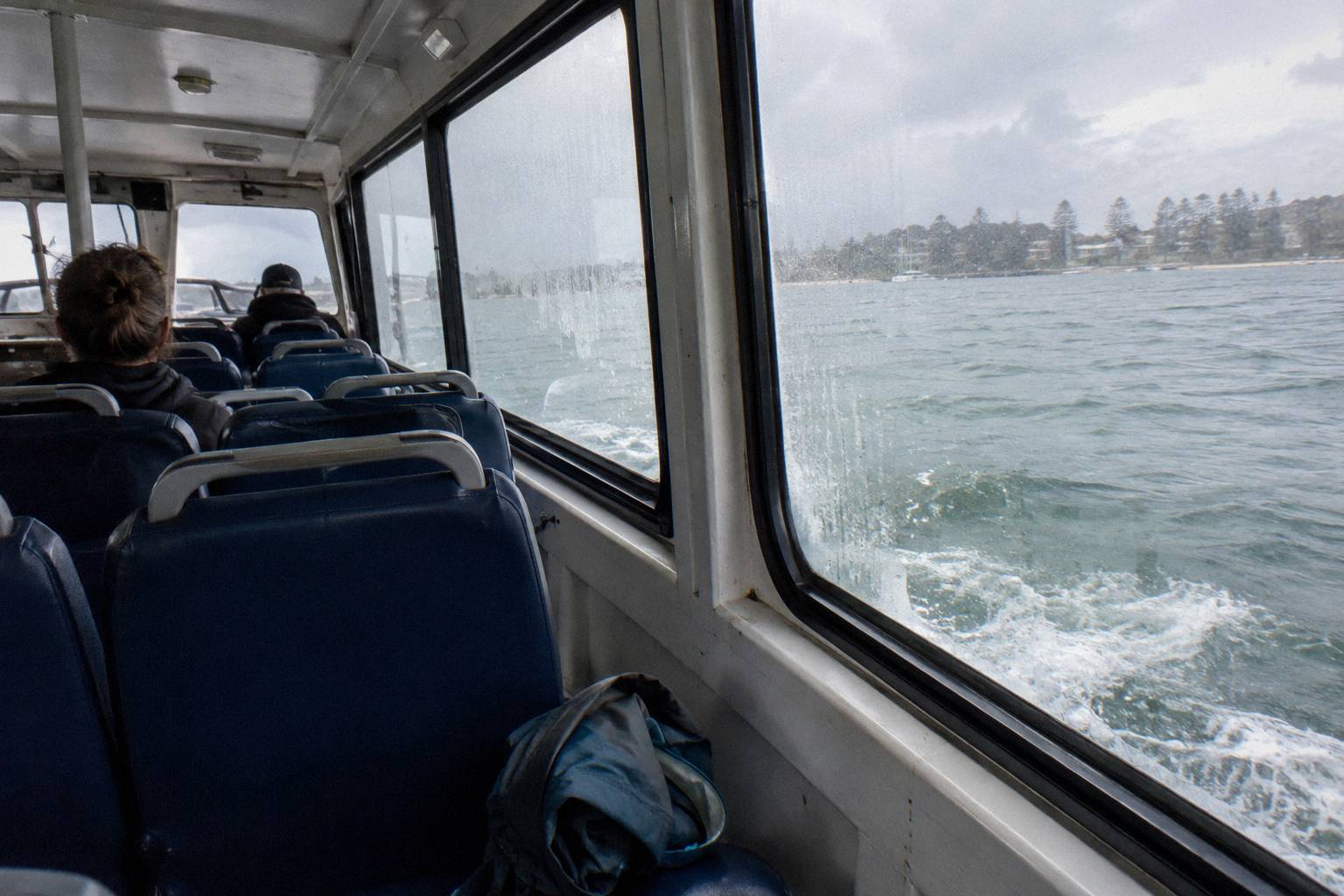
The Captain Cook listing describes three conditions that bear directly on what you wear: the cruise is on open water, sea motion may affect some guests, and departures operate subject to weather. Against that, the vessel offers an indoor all-weather lounge alongside outdoor viewing areas, so you can move between cover and open deck during the sail. Food, drink, hotel transfers and personal expenses are not included.
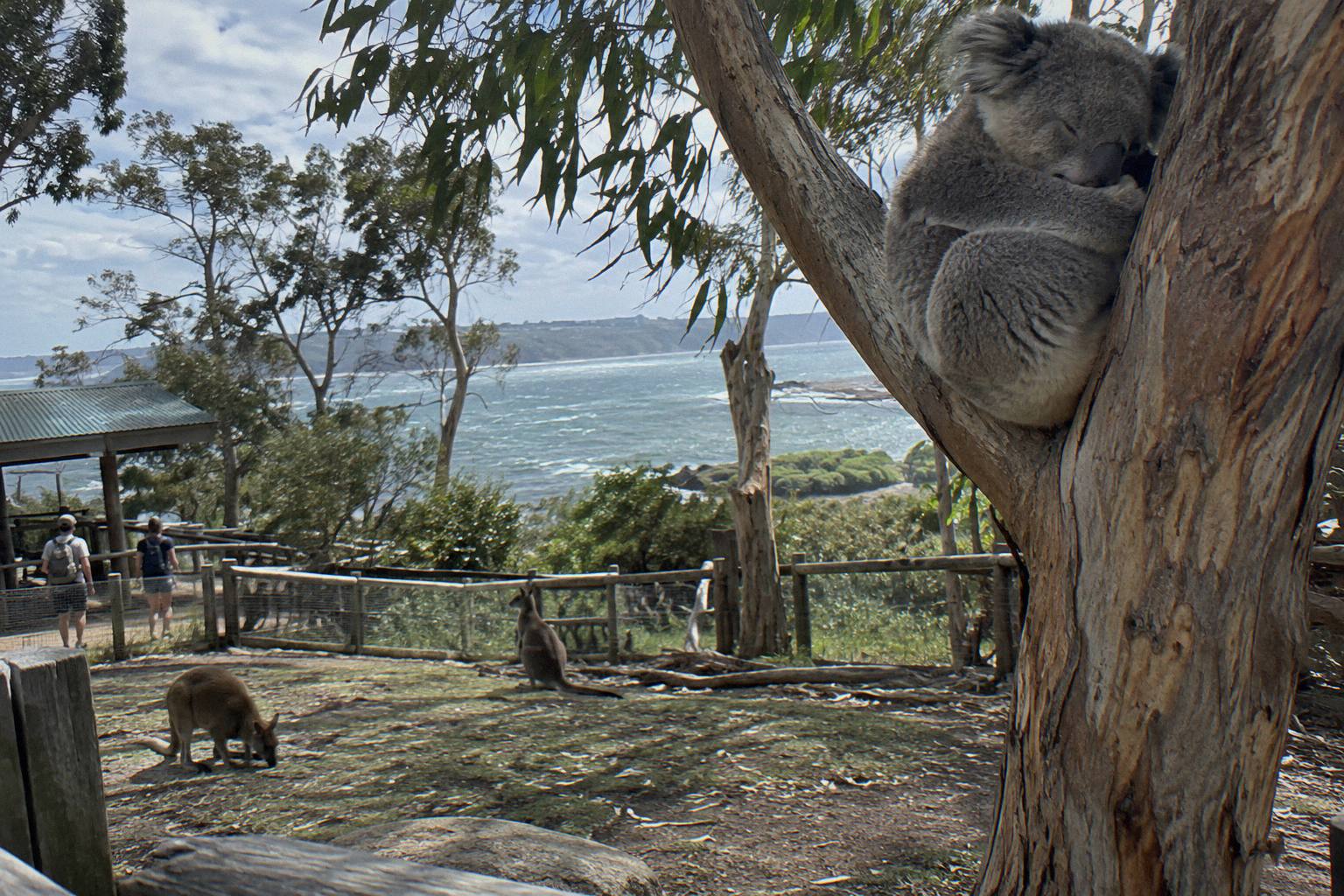
Each of those details translates into a planning decision. The all-weather lounge means a wet or windy departure does not necessarily cancel your whale watching; you still have a sheltered place to stand and watch through windows while the commentary runs. The outdoor viewing areas are where most people want to be when a whale surfaces, and that is where the weather reaches you, whatever it is doing that day. The open-water note is the operator's own signal that the return leg past the heads can move, and the listing pairs it with a plain statement that sea motion may affect some guests rather than any promise of a calm crossing.
Nothing in the listing names a swell figure, a deck, a seat assignment or a recommended remedy, and no figure appears in the listing. The rating picture is likewise modest rather than glowing: 4.3 from 364 reviews, printed with its count because a bare number flatters a review pool. If conditions on the water worry you, that is a conversation for the booking desk before you pay, not a paragraph to trust from a stranger on the internet.
The practical half of the wardrobe question, then, is answered by what the operator confirms exists on board and what it confirms is excluded. Beyond that, the format comparison in the large boat or small boat question is directly relevant: a 2.5 hour harbour cruise and a speed-boat run are different physical experiences even on the same day, and clothing that works on one may not suit the other.
Each has a different day shape, and the day shape is what drives the packing list more than anything else.
Cruise Versus Dolphin Day: What Each Booking Page Tells You To Bring
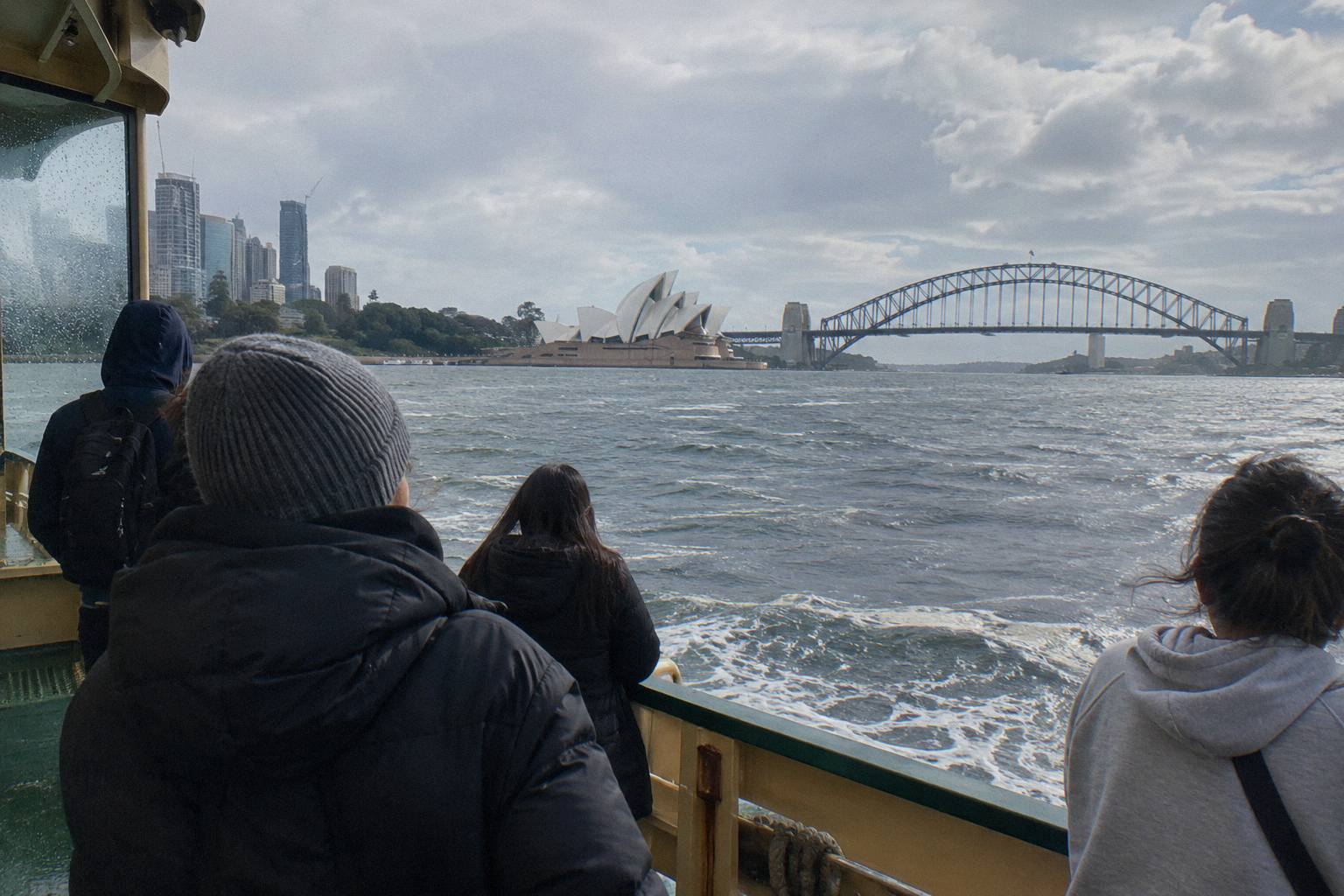
The whale cruise listing publishes no bring list; the dolphin and wildlife day tours do. The Port Stephens Dolphins, Koalas And Sandboarding day asks for comfortable shoes, a hat, a change of clothes, a towel, a camera, sunscreen and swimwear for optional boom netting, while the whale cruise simply says food, drink and transfers are not included. The contrast is the answer to this question.
A 2.5 hour cruise and a 12 hour day trip are different problems, and the booking pages treat them that way. The Port Stephens day runs a coach from CBD hotels and Central Station, spends about 12 hours on the road and water, includes a 90-minute Dolphin Discovery eco cruise from Nelson Bay, a Port Stephens Koala Sanctuary visit, Stockton Beach 4WD with sandboarding instruction, and snacks and water. Boom netting is optional and weather-permitting, which is exactly why swimwear and a towel appear on its bring list. Lunch is not included, so the day assumes you will buy a meal in Port Stephens during the one-hour lunch stop.
| What the listing covers | Captain Cook 2.5 hour whale cruise | Port Stephens dolphins day trip |
|---|---|---|
| Published bring list | None; ask the operator | Comfortable shoes, hat, change of clothes, towel, camera, sunscreen, swimwear for optional boom netting |
| Duration on the listing | 2.5 hours | About 12 hours |
| Water activity | Whale watching cruise from Circular Quay Wharf 6 | 90-minute Dolphin Discovery cruise, optional boom net swim |
| Food and drink | Not included | Snacks and water included; lunch not included |
| Indoor option | Indoor all-weather lounge | Coach travel; cruise commentary on the water |
| Getting there | Make your own way to Circular Quay Wharf 6 | Coach pickups from CBD hotels and Central Station |
| Cancellation | Free up to 24 hours before | Free up to 24 hours before |
Read down that table and the pattern is clear: the longer and more active the day, the more the operator is willing to put on paper. The dolphin cruise goes ahead in light rain on the comparable Jervis Bay days, and swimwear only matters where getting wet is a real option. On a whale cruise with no swim component, no meal stop and no walking beyond a wharf, the operator's silence on clothing is arguably consistent with the short, contained shape of the trip, though it still leaves you guessing about warmth on deck.
Is The Dolphin Day A Better Fit For Families?
The whale cruise listing states that infants aged 0 to 3 are not recommended, that child fares exist for ages 4 to 15, and that one supervising adult is required for every four children. The dolphin days state their own rules: the Jervis Bay Dolphins, Kangaroos And Beach Day takes families with children aged 3 and up, with infants on laps. Neither listing makes a claim about what a child should wear beyond those swim-and-towel items on the sandboarding day, so the ages, not the outfits, are the deciding family fact. If your crew includes a four-year-old, the guide to kids on whale and dolphin cruises works through the same rules in more depth.
What Every Wildlife Tour Bring List Has In Common
Across the land wildlife tours, the published bring lists overlap heavily: comfortable enclosed shoes, a hat, sunscreen and a camera appear almost everywhere, with warm clothing on the wild wombat day, rain gear and a daypack on the Blue Mountains sunset tour, and beachwear and a towel on the coastal days. None of these lists belongs to a whale cruise, but together they show what operators on this coast consistently expect.
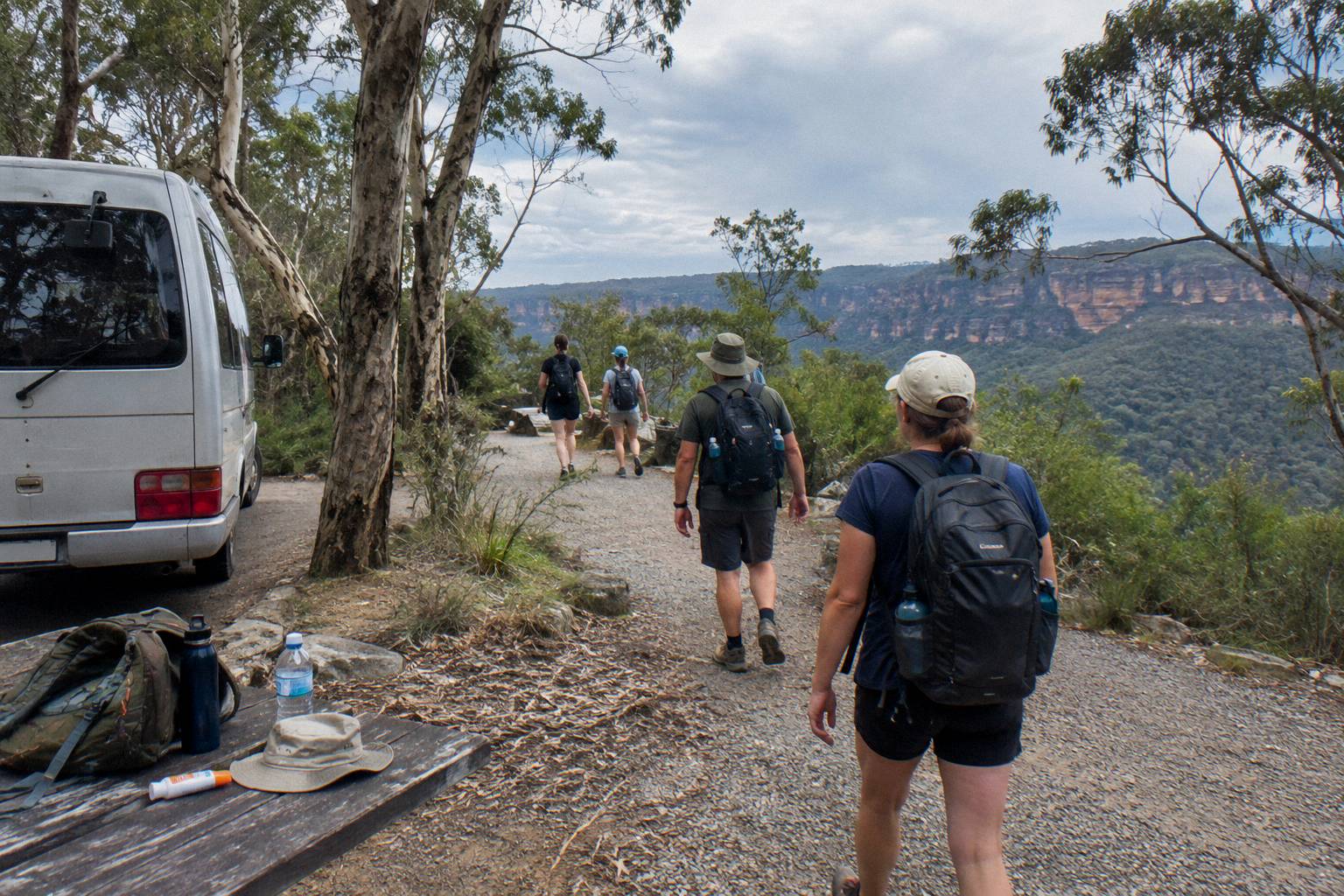
That overlap is the closest thing to evidence-based guidance this question has. The Wild Wombats And Kangaroo Experience asks for enclosed comfortable shoes and warm clothing. The Blue Mountains Wild Kangaroos And Sunset Day Tour lists comfortable shoes, with no high heels, sandals or flip flops, plus warm clothing, a sun hat, sunscreen, a water bottle, snacks, a jacket, rain gear and a daypack. The Koala And Kangaroo Encounters With BBQ day keeps it to comfortable shoes, a hat, a camera and sunscreen. These are the operators' own words, and the repetition is the point.
| Tour (booking page bring list) | Footwear stated | Sun protection stated | Weather items stated | Other items stated |
|---|---|---|---|---|
| Wild Wombats And Kangaroo Experience | Enclosed comfortable shoes | Not stated | Warm clothing | Not stated |
| Blue Mountains Wild Kangaroos And Sunset | Comfortable shoes; no heels, sandals or flip flops | Sun hat, sunscreen | Warm clothing, jacket, rain gear | Water bottle, snacks, daypack |
| Koala And Kangaroo Encounters With BBQ | Comfortable shoes | Hat, sunscreen | Ponchos may be bought | Camera; water refill at lunch |
| Jervis Bay With Beaches, Koalas And Kangaroos | Not stated | Hat, sunglasses, sunscreen | Not stated | Towel, camera, beachwear |
| Jervis Bay Dolphins, Kangaroos And Beach Day | Comfortable shoes | Hat, sunglasses, sunscreen | Jacket, change of clothes | Towel, water bottle |
| Port Stephens Dolphins, Koalas And Sandboarding | Comfortable shoes | Hat, sunscreen | Change of clothes | Towel, camera, swimwear for boom netting |
| Blue Mountains Wildlife And Bushwalk | Comfortable shoes | Not stated | Weather-appropriate clothing | Luggage, strollers and drones not allowed |
Two caveats belong beside that table. First, footwear guidance on a walking day does not automatically transfer to a boat deck; a shoe that suits a bushwalk track may or may not suit a wet deck, and the cruise operator has not stated a position. Second, the wildlife tours that mention feeding animals, such as hand-feeding kangaroos at Symbio Wildlife Park on the Jervis Bay With Beaches, Koalas And Kangaroos day, rated 4.6 from 78 reviews, are describing park-run encounters, not the wild feeding that NPWS advises against in national parks, where feeding native animals can make them sick and aggressive. The distinction matters if you are packing food for the day: keep it for yourself.
The deeper answer to what to carry is the same one in the full-day wildlife tour packing rundown: the bring list follows the itinerary, not the animal. A day with a beach stop wants a towel and swimwear. A day in the mountains wants a jacket. A short harbour cruise wants, at minimum, whatever the operator tells you when you ask.
Does Your Child's Age Change What You Pack?
Age rules change which tours you can book more than what goes in the bag. The whale cruise allows child fares from 4 to 15 with one adult per four children and does not recommend infants 0 to 3; the koala and kangaroo day starts at 4, the Blue Mountains bushwalk at 5, the Jervis Bay beaches and koalas day at 6, and the sunset kangaroo tour at 12. The dolphin beach day takes children 3 and up.
Those numbers come straight from the booking pages, and they are worth a table because they decide whole itineraries for a family before clothing ever enters the conversation. A household with a five-year-old can book the Koala And Kangaroo Encounters With BBQ, rated 5.0 from 42 reviews, or the Blue Mountains Wildlife And Bushwalk Small Group, rated 4.6 from 853 reviews, but not the sunset kangaroo tour, which is not suited to under 12s and requires an adult with anyone under 18. Guests under 18 with an adult is the rule there, full stop.
| Tour | Minimum age stated | Family detail stated on the listing |
|---|---|---|
| Captain Cook 2.5 hour whale cruise | Infants 0 to 3 not recommended | Child fares ages 4 to 15; one adult per four children |
| Koala And Kangaroo Encounters With BBQ | 4 | About 800 metres of easy walking |
| Blue Mountains Wildlife And Bushwalk | 5 | Short bushwalks of 10 to 45 minutes |
| Jervis Bay With Beaches, Koalas And Kangaroos | 6 | Encounters run by a trained professional |
| Blue Mountains Wild Kangaroos And Sunset | 12 | Under 18s must be with an adult |
| Jervis Bay Dolphins, Kangaroos And Beach Day | 3 and up | Infants on laps |
For packing purposes, the only age-linked items any of these listings name are the swimwear and towel for the Port Stephens boom net and the beachwear on the Jervis Bay days, and the easy-walking note on the koala day, which suggests comfortable shoes there rather than demanding them. No listing publishes clothing guidance for a baby or toddler on a whale cruise, and the whale cruise itself steers infants away, so if you are travelling with a very young child the dolphin beach day is the stated option. The wider decision is covered in the wildlife tours with kids roundup.
Ten Questions Worth Asking The Booking Desk
Because no whale cruise listing publishes a dress or packing list, the reliable move is a short, specific set of questions to the operator before you sail: what the lounge and deck are like in current conditions, what footwear suits the deck, what is available to buy on board, where bags can be stored, and what the operator does if weather moves the departure. Ten precise questions get better answers than one vague one.
The booking desk answers questions its page does not. These are the ones this research suggests, each tied to something the listing either states or leaves open. Ask about deck conditions and footwear, since the listing names outdoor viewing areas without naming a shoe policy, unlike the land tours that ban flip flops outright. Ask what can be bought on board, because food and drink are excluded and the koala day's note that ponchos may be bought shows operators sometimes sell weather gear at the venue. Ask about storage, about the indoor lounge's capacity on a busy sailing, and about the weather policy, given the listing already says departures run subject to weather and operational requirements.
- What are the deck and lounge conditions on a typical departure in this part of the season?
- Is any footwear unsuitable on the outdoor viewing areas?
- Can food or drink be bought on board, or should you eat before boarding at Circular Quay?
- Is there anywhere to stow a small bag during the cruise?
- Does the indoor lounge have seating, or standing room only, on a full sailing?
- What happens to a booking if weather moves the departure or the route?
- Are there child life jackets or other provisions for the 4 to 15 child fare?
- Is the sailing you would recommend for a first-timer concerned about sea motion?
- What time should we arrive at Circular Quay Wharf 6 before the listed departure?
- Is anything else, beyond hotel transfers and personal expenses, not included that you should plan for?
None of those questions presumes an answer. Each one either fills a gap the listing leaves or confirms a stated exclusion, which is exactly how a packing list for an unpublished-list cruise gets built: from the operator's own mouth, the week you sail, in the weather you will actually meet. If the answers point you toward a different format altogether, the wildlife day trips compared guide sets the full-day options side by side.
Choosing By Format: Harbour Cruise, Speed Boat Or Full Day
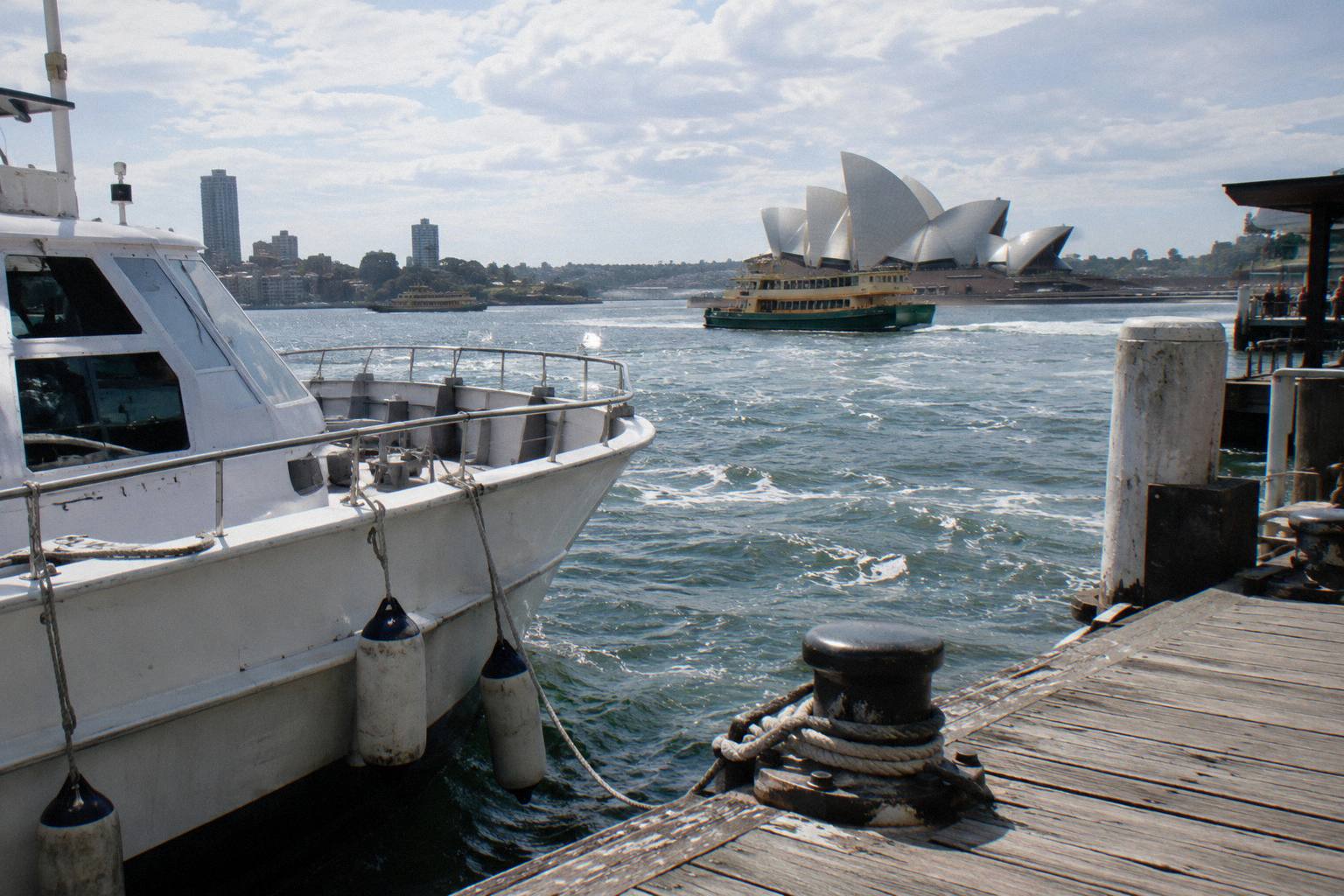
The clothing question resolves into a format question. A 2.5 hour harbour cruise with an indoor lounge is a short, contained outing; a speed-boat whale watching run is a different physical proposition on a separate booking page with no duration or capacity figures stated here; the Port Stephens day is a 12-hour trip whose listing tells you to bring swimwear, a towel and a change of clothes. Pick the day shape first, then ask the wardrobe questions.
The speed-boat option deserves its own sentence: it is a speed-boat format sold on a separate booking page, and no operator-stated duration, capacity or packing guidance exists for it, so anything beyond the format itself would be invention. What can be said is structural: open small craft expose you fully to the weather and the spray in a way a vessel with an indoor all-weather lounge does not, and the NSW approach rules apply to every operator equally, keeping vessels at least 100 metres from a whale, and 300 metres where a calf is present, as the NSW Government's marine mammal watching rules state. No boat promises a sighting, and none should.
The full-day end of the spectrum answers the wardrobe question by default, because its listing answers it. The Port Stephens day names its items, the dolphin beach days name theirs, and the Blue Mountains sunset tour, run by FeelGood! Nature Tours, is the most explicit of them all: comfortable shoes with no high heels, sandals or flip flops, warm clothing, a hat, sunscreen, a water bottle, snacks, a jacket, rain gear and a daypack, rated 4.9 from 205 reviews by guests who read that same list before they went. When an operator tells you that much, the packing anxiety disappears; when it tells you nothing, as with the whale cruise, the questions in the previous section do that job instead.
Between those poles sits the harbour cruise itself, the most booked-shaped answer for a visitor with a free half-day in Sydney. It leaves from a wharf most visitors can reach on foot or by ferry, it returns to the same wharf 2.5 hours later, and everything you carry you carry for the whole trip, since there is no coach and no lunch stop. That containment is the real wardrobe constraint: whatever you bring, you hold or stow it on a moving vessel for the full sailing.
Common Questions About What To Wear Whale Watching
What Should I Wear On A Sydney Whale Watching Cruise?
No whale cruise listing publishes clothing guidance; that detail is not published, so ask the operator. What the Captain Cook listing confirms is an open-water cruise where sea motion may affect some guests, an indoor all-weather lounge and outdoor viewing areas, so plan around the option to move between cover and open deck.
Do I Need Enclosed Shoes For Whale Watching?
The whale cruise listing states no footwear rule. For comparison, the land wildlife tours are explicit: the Wild Wombats day asks for enclosed comfortable shoes and the Blue Mountains sunset tour bans high heels, sandals and flip flops outright. Whether any of that transfers to a boat deck is a question for the cruise's booking desk.
Is There Shade Or Shelter On The Whale Cruise Boat?
Yes, per the listing: the vessel has an indoor all-weather lounge alongside its outdoor viewing areas. A hat and sunscreen appear on almost every land tour bring list, and the outdoor deck areas expose you to sun regardless.
Can I Bring Food And Drinks On The Whale Cruise?
The listing states that food and drinks are not included but does not state a bring-your-own policy; ask the operator. Hotel pickup and drop-off and personal expenses are also excluded, so plan to make your own way to Circular Quay Wharf 6.
What Do The Dolphin Day Tours Tell You To Bring?
The Port Stephens day lists comfortable shoes, a hat, a change of clothes, a towel, a camera, sunscreen and swimwear for optional boom netting, which runs weather-permitting. The Jervis Bay beach day adds sunglasses and a water bottle. Full lists are compared in the tables above.
Does What I Wear Change With The Whale Season?
The season runs May to November, and the cruise listing gives no seasonal clothing advice. The listing does say departures operate subject to weather and operational requirements, so conditions on the day are the operator's call; ask the booking desk about the forecast for your sailing when you confirm.